Saturday Oct 31, 2026
Saturday Oct 31, 2026
Friday, 30 October 2026 14:49 - - {{hitsCtrl.values.hits}}
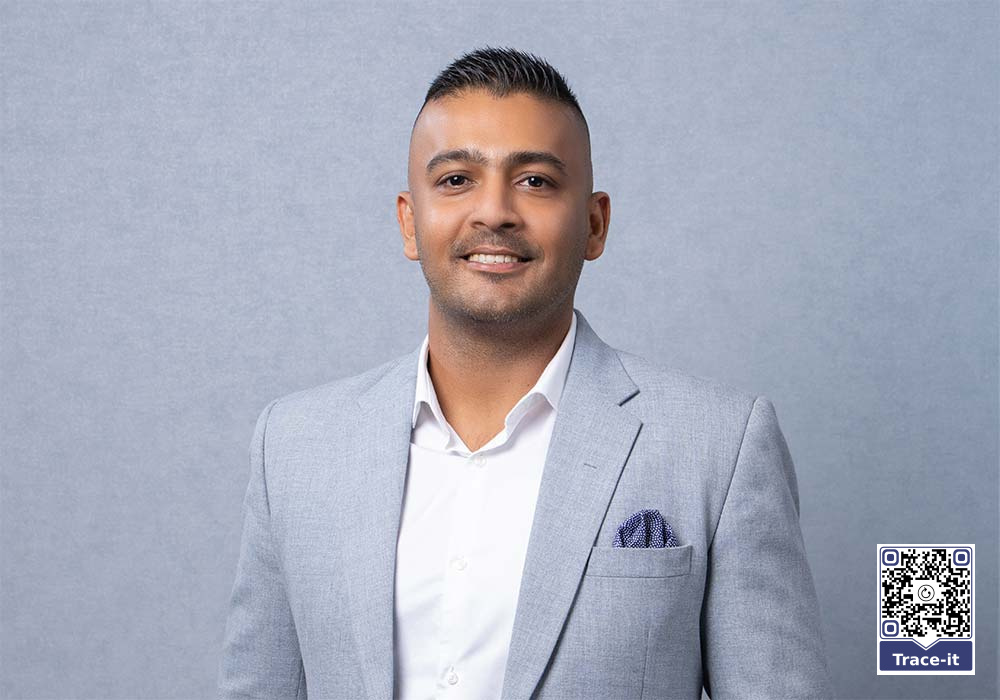
Randinith Madanayake, Head of Marketing, First Capital Holdings PLC
In the following Q&A, Randinith Madanayake, Head of Marketing at First Capital Holdings PLC, explores how the meaning of thrift is evolving. As World Thrift Day highlights the importance of saving, he discusses why financial discipline today must go beyond putting money aside to understanding how money can be preserved, invested and aligned with long-term financial goals.
World Thrift Day has traditionally focused on saving. Why is it important to broaden the conversation around thrift today?
Saving remains an essential financial habit, providing security and a foundation for future goals. However, our understanding of thrift needs to evolve with the financial environment today.
Once we develop the discipline to save, another question becomes relevant: what should that money do next? Preserving money and growing wealth are different objectives and understanding that distinction can help people make informed financial decisions over time.
How has inflation changed the way people should think about simply keeping money aside?
Sri Lanka’s experience over the past few years provides an important reminder. The Colombo Consumer Price Index (CCPI), the most widely used measure of the cost of living, was rebased to 2021, with the average price level in that year set at 100. By the end of 2025, the index had risen to about 196, meaning prices were around 96% higher than their 2021 average. As a result, money that earned no return would have lost about half of its purchasing power. Rs.100,000 kept unchanged would have retained the purchasing power of only around Rs.51,000 in 2021 terms.
The lesson is not that saving is futile. Saving remains fundamental. The lesson is that preserving money and growing its value are different objectives. For longer-term goals, people need to understand how inflation affects purchasing power and consider available options.
Does this mean people should move from saving to investing?
It should not be viewed as an either-or decision. Saving and investing can serve different purposes. Savings can provide liquidity and security for short-term needs, while investments may have a role in pursuing longer-term goals.
The important point is to understand your circumstances, objectives, time horizon and risk tolerance. Investing should be about informed decisions, not chasing quick returns or taking risks that are not understood.
Sri Lanka has more than one million registered stock market accounts, yet active participation remains a fraction of the population. What does this suggest?
It points to considerable scope to make investing a more familiar part of everyday financial life. Registered accounts do not necessarily represent unique individuals, and stock market figures do not capture other investment instruments. Nevertheless, the gap raises an important question about building greater awareness and confidence around investing.
Banks have traditionally been the trusted home for our money, while capital market service providers and investment products may be less familiar to many households. Building confidence requires investor education, transparent practices, strong governance and effective investor protection.
What role should financial literacy play in this transition from saving to investing?
Financial literacy needs to go beyond budgeting and saving. People should also understand concepts such as inflation, compounding, diversification, risk, government securities, unit trusts and investing in shares.
These ideas do not have to be complicated. Education can begin early by helping children understand that money can provide security today while supporting ambitions for tomorrow.
Our education system has an important role to play. Teaching young people how to make informed financial decisions can help establish healthier financial habits throughout their lives.
How can banks and capital markets contribute together to this broader financial journey?
This is not a choice between banks and capital markets. Both have important roles. Banks are fundamental to savings, payments and credit, while capital markets connect investors with opportunities to finance businesses and contribute to economic development.
A growing economy needs both, supported by informed participation and public confidence.
How is First Capital working to make investing more accessible?
At First Capital, we are focused on making the investment journey more accessible and convenient. Through 100% digital onboarding, customers can begin their investment journey from home. Our unit trusts allow individuals to start investing from LKR 1,000, while our WhatsApp transaction facility provides greater convenience when investing in and withdrawing from unit trusts.
Accessibility also needs to go hand in hand with understanding. Alongside these initiatives, our financial literacy programmes aim to make investment concepts easier to understand. We believe people should have access not only to investment opportunities, but also to the knowledge needed to make informed decisions.
What would you say to someone who has always saved but has never invested?
Start with understanding. There is no single investment approach that is right for everyone or every goal. Understand your financial goals, assess your circumstances, learn about the options available and consider the risks and time horizon involved.
The first step does not have to be investing immediately. It can be becoming financially informed enough to understand when saving or investing may be appropriate.
What should the next chapter of thrift look like for Sri Lankans?
The next chapter of thrift must go beyond saving to encompass a more strategic approach to managing, preserving and growing wealth. While saving remains fundamental to financial security, financial literacy is essential to helping individuals understand investment opportunities and make informed decisions aligned with their goals and risk appetite.
This World Thrift Day, the focus should shift from how much we save to how purposefully we manage our financial resources. Ultimately, the goal is not to save less, but to empower people with the knowledge and confidence to make informed financial decisions that support long-term financial wellbeing.




