Thursday Oct 29, 2026
Thursday Oct 29, 2026
Thursday, 29 October 2026 09:25 - - {{hitsCtrl.values.hits}}
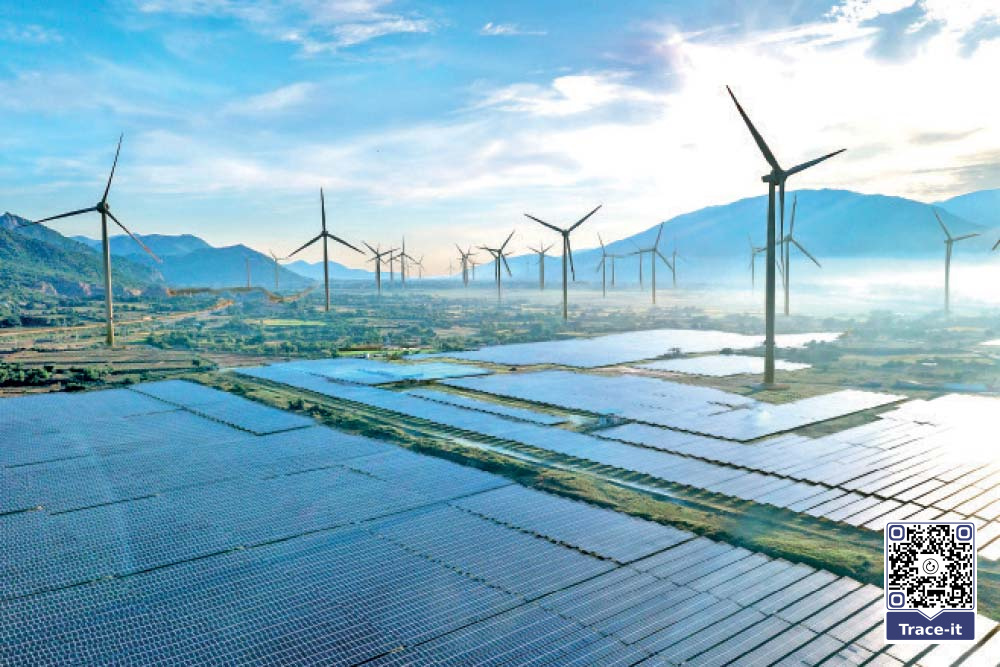
Just think about what has changed most after the economic crisis. Yes, it is our electricity bills. Tariffs increased rapidly, blackouts are a memory nobody wants repeated, and imported fuel still drains most of the country’s foreign exchange. Against that backdrop, clean energy is no longer only an environmental story. It is about whether families can keep the lights on without anxiety and whether businesses can plan with confidence. The answer depends on how well the country combines rooftop solar, large renewable plants, batteries and efficient buildings.
Rooftop solar has already arrived
Rooftop solar is the most visible part of the shift. The regulator’s own capacity table lists about 930 MW of rooftop solar, which means ordinary roofs now work together as a power station spread across the island. For a household, the appeal is simple. Every unit generated at home is a unit not bought at a rising tariff, and the increases that took effect in April and again in May 2026 made that arithmetic even more attractive. For shops, hotels and factories, daytime solar lines up with working hours and trims one of their highest running costs. The rules, however, keep moving. The details will keep evolving, but the effect on trust is already real. Many owners installed panels believing they could wipe out their bills, and they now wonder whether the promise will hold for the next buyer. Stable policy matters as much as cheaper panels.
Big plants and batteries keep the grid steady
Rooftops alone cannot run a country. Sri Lanka has targeted 70 per cent renewable energy by 2030, and its climate plan calls for an additional 3,867 MW of renewable capacity by 2030. Utility-scale solar, wind, mini-hydro and floating solar will have to carry much of that load. Floating plants are a clever fit for a small, crowded island, since they use reservoirs instead of scarce farmland.
The real weakness is the evening. Solar output fades just as households switch on lights, fans and televisions, and a long dry spell can weaken hydropower at the same time. Batteries close that gap. A 160 MW battery system is expected to join the grid between October and December this year, with another 250 MW in final procurement stages. The wider goal is at least 450 MW of solar with storage by March next year. Stored sunshine means less reliance on imported fuel for the evening peak, and that is where the savings for everyone eventually come from.
The cost and financing problem
Clean power is cheaper over its lifetime, but it is expensive on day one. A typical home system can cost several hundred thousand rupees, and adding a battery can raise that figure considerably. Families already stretched by higher living costs cannot easily find that cash. Bank loans help, but interest rates, collateral rules, and short repayment periods still shut out many middle- and lower-income households. Small businesses face the same wall, with the added worry of unpredictable cash flow.
Quality is another concern. Cheap, poorly installed systems and unregistered installers can turn a good investment into a fire risk or a dead asset. Standards and registered contractors protect buyers, and the regulator is moving here, having published a regulatory framework for rooftop solar and battery systems in July 2026.
For large projects, the obstacles are different. Investors need predictable tariffs, timely payments from the state utility, and access to foreign currency for imported equipment. Without those, projects stall, or the risk premium gets passed on to consumers.
Efficient buildings: the cheapest unit is the one you never use
Generation gets the headlines, but efficiency often delivers the fastest savings. LED lighting, inverter air conditioners, better ventilation, reflective roofing and shaded windows can cut consumption without any change in comfort. New offices, hotels and apartment blocks designed well from the start use far less power for decades. Building codes that reward efficiency would lower bills and reduce how much new capacity the country has to build in the first place.
What it means for the wider economy
Every kilowatt-hour made from sun, wind or water is one that does not need imported coal or oil. That eases pressure on the rupee and shields the economy from global fuel price swings. Solar and storage also create work for installers, electricians, engineers and local suppliers in every district. Exporters gain too, because international buyers increasingly ask for cleaner supply chains and reward factories that run on clean power.
So, can clean power make life more affordable?
Yes, but not automatically. Households and businesses will see lower bills only if financing becomes easier, policy stops changing without warning, and the grid is built to handle more solar. The technology is ready, and the economics are improving. What Sri Lanka needs now is patience, consistency, and a fair deal for the people who put panels on their roofs.
(MP)




