Thursday Nov 12, 2026
Thursday Nov 12, 2026
Thursday, 29 October 2026 08:26 - - {{hitsCtrl.values.hits}}
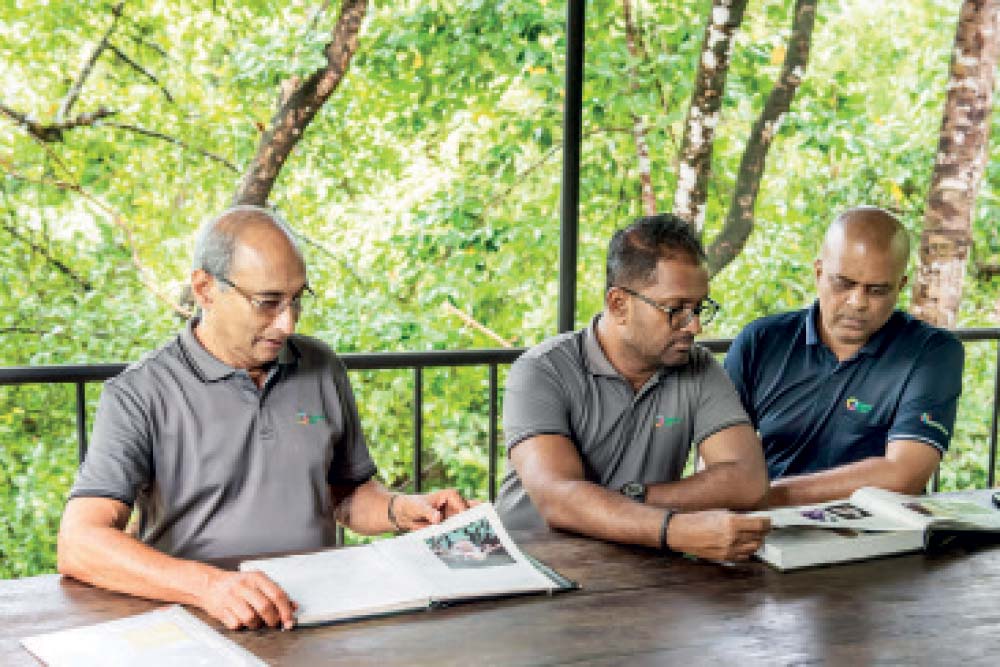
Eluvilayaya, Mangrove Restoration Project - progress review by Mr. Rohan Goonetilleke, Managing Director/CEO, Mr. Rohitha Bandara, Executive Director – Finance and ESG, and Mr. Malith Jayasinghe, Executive Director - Sales & Marketing
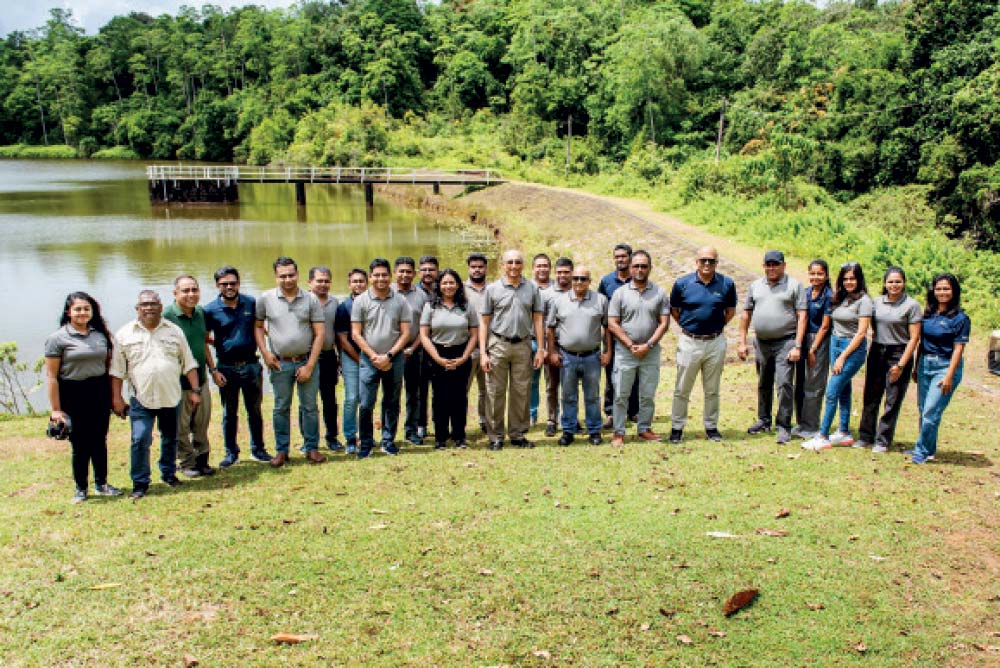
Initiate the 3rd phase of Eluvilayaya, Mangrove Restoration Project - Hayleys Fabric Team with other project stakeholders
|
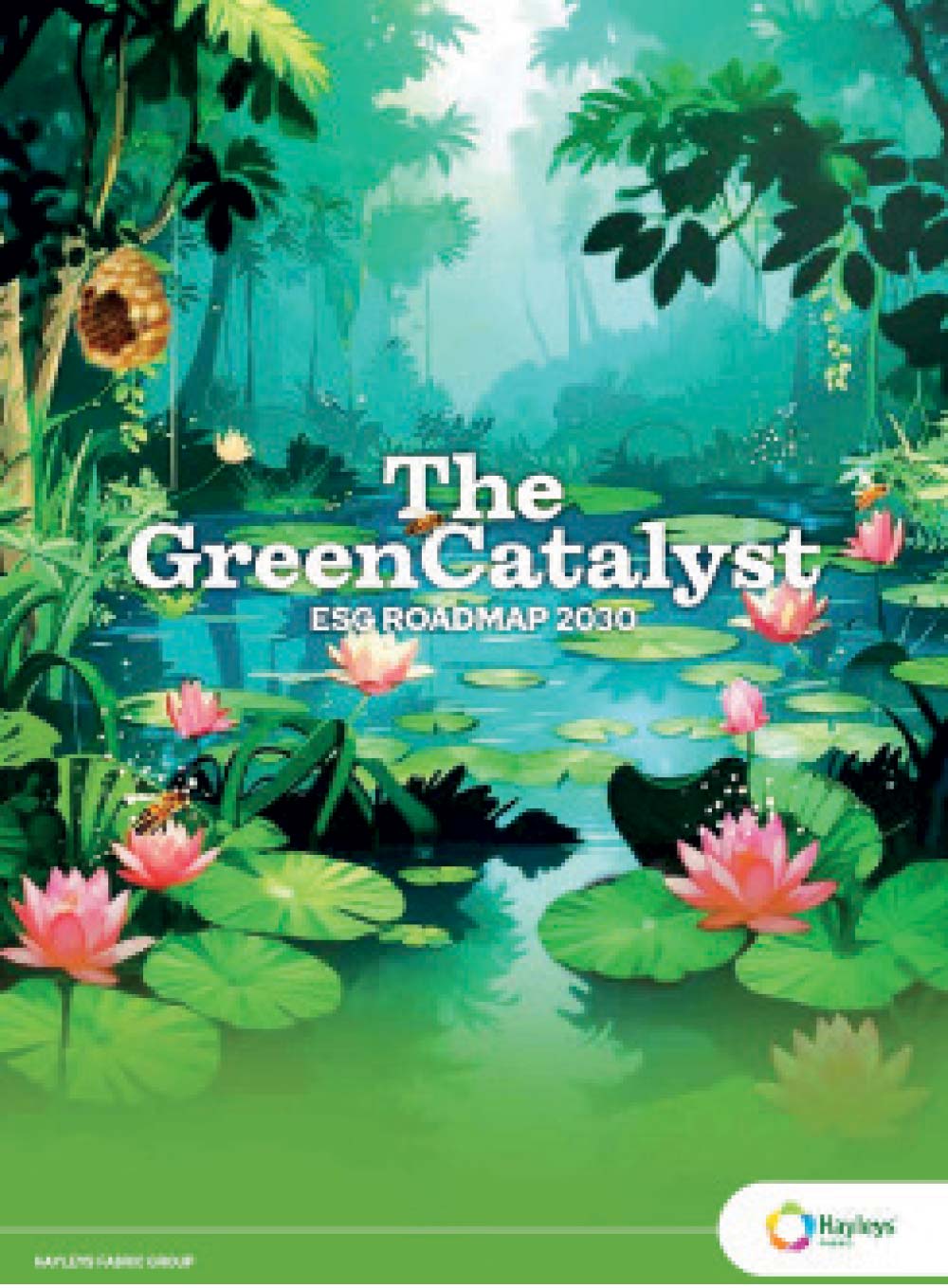
The GreenCatalyst, HAYLEYS FABRIC ESG ROADMAP 2030
|
On World Sustainability Day 2026, we are reminding that sustainability is no longer simply about reducing our environmental footprint. It is about rethinking how businesses create value for the planet, for people and for future generations. At Hayleys Fabric, we are knitting this belief into every product of the business.
As one of Sri Lanka’s leading weft-knitted fabric manufacturer, Hayleys Fabric operates in an industry where energy, water, materials, chemicals and people are central to production. This creates both a responsibility and an opportunity: to demonstrate that manufacturing excellence and sustainability can progress together.
This commitment is captured through The GreenCatalyst – Hayleys Fabric ESG Roadmap 2030, the Group’s sector-specific sustainability framework developed in alignment with the broader Hayleys Lifecode. Its purpose is clear: “To strengthen the fabric of society by knitting together a better environment for all.” The roadmap translates this purpose into measurable environmental, social and governance priorities, aligned with the UN Sustainable Development Goals and recognized sustainability frameworks.
Three ESG pillars, integrated towards one ambition. Environmental stewardship is at the heart of The GreenCatalyst, with three key areas of focus: Accelerate Climate Action, Restore and Regenerate Nature, and Optimize Resource Footprint. These priorities address some of the most critical challenges facing the textile industry from greenhouse gas emissions and renewable energy to water, waste, chemicals and biodiversity. Among its 2030 ambitions are a 42% reduction in Scope 1 and 2 Green House Gas emissions, 30% sustainable water sourcing, 20% recycling of solid waste, 100% alignment with safe chemical management practices, and enhancing biodiversity by five times the built area occupied by the Group.
The Social pillar recognizes that sustainable manufacturing ultimately depends on people. Through Responsible Workplace, Hayleys Fabric focuses on employee well-being, diversity and inclusion, skills development, human rights, ethical labor practices and meaningful community engagement. The roadmap targets 100% of selected employee categories to receive performance appraisals, the safest workplace with zero work injuries, 40% of suppliers screened against environmental and social criteria, customer satisfaction survey covering 100% of operations, mechanisms across all operations, and a 50% increase in CSR beneficiaries by 2030.
The third pillar, Governance, is anchored in Responsible and Responsive Corporate Citizenry. Strong governance provides the foundation that enables environmental and social commitments to translate into lasting impact. The GreenCatalyst therefore places emphasis on structure and oversight, stakeholder engagement, transparent and accurate reporting, ESG risk management, ethics and culture, including a zero-tolerance approach to bribery and corruption.
From strategy to action, the Hayleys Fabric Annual Report 2025/26 highlights how this strategy is increasingly being translated into action. The report highlights the GreenCatalyst as a transformative blueprint for regenerative growth, sectoral innovation and stronger ESG performance across the textile industry. It also identifies opportunities to advance decarbonization, renewable energy, circularity, Life Cycle Assessment and biodiversity restoration.
Importantly, sustainability at Hayleys Fabric is not viewed as a standalone function. It is integrated into operational resilience, customer expectations, risk management and long-term competitiveness. From renewable energy and resource efficiency to responsible sourcing and nature-based solutions, the ambition is to ensure that sustainability is considered throughout the value chain.
On World Sustainability Day, the message is simple: the future of manufacturing must be responsible, resilient and regenerative. At Hayleys Fabric, The GreenCatalyst represents a commitment to make every decision, every innovation and every fabric count towards that future.