Wednesday Sep 09, 2026
Wednesday Sep 09, 2026
Wednesday, 9 September 2026 00:03 - - {{hitsCtrl.values.hits}}
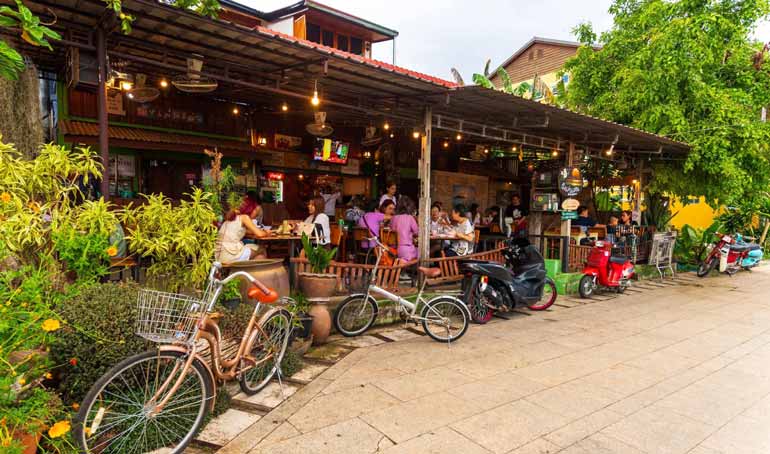
Chiang Khan's famous walking street
 From Bangkok's streets to the flavours beyond
 Thailand is often remembered through its most famous flavours: fragrant curries, steaming bowls of noodles, sizzling seafood and the unmistakable balance of sweet, sour, salty and spicy. For Sri Lankan travellers, food offers another way to experience the country, with each region bringing its own character, shaped by geography, history, local ingredients and generations of culinary tradition.
Through its culinary offerings, the Tourism Authority of Thailand is inviting Sri Lankan travellers to discover a side of Thailand that goes beyond its most familiar destinations. Bangkok remains a natural starting point, but Thailand’s food culture unfolds across the country, from mountain towns and ancient cities to coastal communities and the distinctive landscapes of the North Eastern plains.
Where Thailand’s food story begins
Dining is an unforgettable experience in Bangkok.
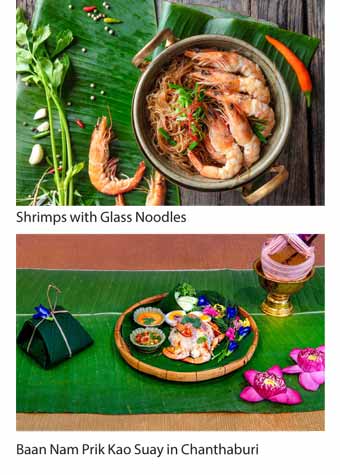
The city’s street food remains one of its great pleasures, with stalls serving everything from noodles and grilled meats to aromatic rice dishes and spicy salads. At the other end of the spectrum, Bangkok’s internationally recognised dining scene has earned attention from Michelin and food lovers around the world.
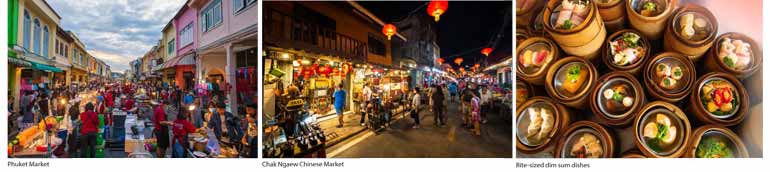
For another perspective, the city’s floating markets reveal how food, trade and waterways have long been intertwined. Meanwhile, Yaowarat, Bangkok’s vibrant Chinatown, comes alive with seafood, Chinese-influenced Thai dishes, snacks and desserts. Here, a meal can feel less like a planned experience and more like an invitation to simply follow your appetite.
Cuisine shaped by mountains and tradition
Travel north and the flavours begin to change. Chiang Mai carries the culinary traditions of Lanna, the historic kingdom of northern Thailand, with hearty, aromatic dishes that reflect the region’s cooler climate and cultural influences.
Khao soi is perhaps the most famous example: soft noodles and crispy noodles brought together in a rich, fragrant curry broth. Yet the wider northern food culture is just as compelling, particularly in the city’s lively markets, where local snacks and traditional specialities offer an easy way to discover the region’s flavours.
Further north, Chiang Rai has its own quieter rhythm. Lanna flavours meet local produce, market fare and the tea culture of the surrounding highlands, creating a culinary experience that feels deeply connected to the landscape.
Flavours of the coast
Thailand’s relationship with food changes again along the coast. In Phuket, the cuisine reflects centuries of cultural exchange, with Phuketian dishes carrying Chinese and Malay influences alongside the distinctive flavours of southern Thailand. The historic streets of Phuket Old Town are particularly rewarding for food lovers, where local eateries and traditional recipes offer an alternative to the island’s better-known resort scene.
Krabi brings the sea firmly to the table. Fresh seafood, chilli-rich southern dishes and locally sourced ingredients capture the character of a province surrounded by islands, limestone cliffs and waterways.
Hua Hin, on the Gulf of Thailand, has its own take on the coastal food scene. Seafood markets, night markets and restaurants overlooking the coast make dining an easy and enjoyable part of a seaside escape.
Pattaya, meanwhile, presents another side of coastal Thailand. Its lively food markets and beachfront restaurants range from simple local dishes to contemporary dining, giving travellers plenty of opportunity to experience the destination beyond its reputation as a beach resort.
Ancient cities, old recipes
Food can also offer a window into Thailand’s history. In Ayutthaya, the former royal capital, traditional recipes sit alongside the ruins, temples and waterways that define the city.
Boat noodles are closely associated with Ayutthaya, while its traditional sweets offer another glimpse into the culinary traditions that developed around the old capital. Exploring Ayutthaya through its food adds another layer to its history, turning a visit to its ancient landmarks into a richer sensory experience.
Isaan on a plate
In North Eastern Thailand, Udon Thani introduces travellers to the bold flavours of Isaan cuisine. The region’s food is known for its vibrant combination of spice, sourness, herbs and fermented ingredients, with sticky rice, grilled meats and fresh salads forming an important part of the local table.
Isaan’s culinary identity has also been shaped by its close connections with neighbouring Laos and the wider Mekong region. In Udon Thani, local markets and restaurants offer an approachable way to experience these distinctive flavours while discovering a side of Thailand that receives far less international attention than Bangkok or the southern islands.
Where Thailand’s food comes alive
Across Thailand, markets remain among the best places to understand how people eat and experience food as part of everyday life. Bangkok’s night streets, Chiang Mai’s evening markets, Chiang Rai’s local stalls, Phuket’s food quarters, Hua Hin’s lively markets and Udon Thani’s regional produce each have their own distinct atmosphere.
There is something wonderfully spontaneous about eating at a Thai market. Steam rises from pans, grills crackle, fresh ingredients are piled high and unfamiliar aromas compete for attention. A simple snack can become an unexpected discovery, turning an ordinary moment into a memorable part of the journey.




