Friday Sep 25, 2026
Friday Sep 25, 2026
Friday, 25 September 2026 00:02 - - {{hitsCtrl.values.hits}}
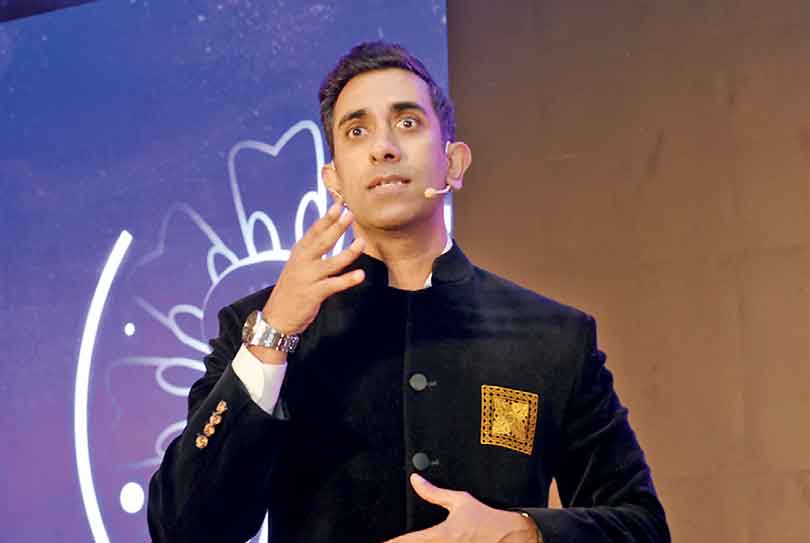
Spa Ceylon Co-Founder and wellness expert
Shalin Balasuria

John Keells Holdings Senior Vice President – Global Alliances and Partnerships and Head of Corporate Affairs Dileep Mudadeniya
 The emerging opportunity in sleep tourism and a new high-yield wellness proposition for Sri Lanka
At Sleep Conference 2026 held on Wednesday, tourism expert Dileep Mudadeniya and Spa Ceylon Co-Founder and wellness expert Shalin Balasuria explored how Sri Lanka could turn its natural, cultural and wellness heritage into a credible sleep-tourism proposition, extending beyond hotel amenities into structured, measurable guest experiences.
Sri Lanka has traditionally sold tourism through beaches, wildlife, heritage, culture and hospitality. But as global travel increasingly shifts towards wellness, a different opportunity is beginning to emerge: selling restoration itself.
That was the central theme of a discussion at the recently concluded Sleep Conference 2026, organised by Spa Ceylon together with the Sri Lanka Medical Association. It followed a presentation by John Keells Holdings Senior Vice President, Global Alliances and Partnerships and Head of Corporate Affairs Dileep Mudadeniya on the growth of wellness tourism and the place of sleep within it.
 The economic illustration presented at the Sleep Conference 2026 was deliberately simple: 25,000 visitors a year, approximately 1% of arrivals, purchasing a $3,000 five-night program would represent around $75 million in tourism revenue, at roughly twice the country’s present yield per visitor
Mudadeniya’s presentation highlighted the scale of the opportunity. The global wellness economy was valued at $6.8 trillion in 2024, with wellness tourism accounting for approximately $894 billion. Asia-Pacific represents a $240 billion market, yet Sri Lanka does not currently feature among the 20 national markets that account for 84% of global wellness-travel expenditure.
Within that larger market, sleep-related travel is becoming particularly interesting. The presentation placed the category at approximately $92.9 billion in 2026 and projected growth towards $149 billion by 2030, representing annual growth of around 12 to 13%. Typical sleep programmes have already settled into three-, five- and seven-night formats.
An advantage Sri Lanka may already possess
Following the presentation, Spa Ceylon Co-Founder and wellness expert Shalin Balasuria joined Mudadeniya for an on-stage conversation exploring what those numbers could mean for Sri Lanka.
The discussion centred on an important distinction: Sri Lanka does not necessarily need to manufacture an entirely new tourism story. Many of the ingredients associated with restorative travel already exist here.
Ayurveda has been practised for generations. Meditation and mindfulness are deeply embedded within the country’s Buddhist heritage. Forests, mountains, beaches, ocean environments and rural landscapes naturally provide settings conducive to slowing down. Add traditional healing, food, yoga, breathwork, hospitality and modern medical expertise, and Sri Lanka potentially has the foundations for a distinctive sleep and recovery proposition.
From an amenity to an experience
The opportunity, however, goes considerably beyond adding a pillow menu or a sleep spray to a hotel room.
Internationally, the value is moving towards structured sleep experiences that can include consultation, sleep tracking, therapies, nutrition, guided relaxation, breathwork, evening rituals and routines that guests can ultimately take home. The conference presentation highlighted three tiers of sleep tourism: simple in-room amenities; multi-night resort programmes; and, at the highest level, programmes supported by clinical assessment and medical expertise.
Sri Lanka may not need another tourism slogan. It may need to package, standardise and credibly sell something the country has possessed for generations: the ability to help people slow down, recover and rest
This is also where Spa Ceylon sees an opportunity to help bridge the gap between wellness products and a complete hospitality experience. The brand has been looking at how sleep can be integrated more meaningfully into hotels and resorts, not simply through products placed in a guest room, but through designed sleep experiences, consultations, treatments, guided rituals, wellness services and programmes that can become part of the guest journey.
That could mean working with hospitality partners on everything from arrival and evening rituals to spa treatments, sleep consultations, room experiences, relaxation practices and multi-day wellness programmes. In this model, Spa Ceylon’s role extends beyond supplying products. It becomes a potential wellness experience partner, bringing together its Ayurvedic heritage, product ecosystem, practitioner knowledge and service expertise to help hotels translate the increasingly valuable concept of sleep tourism into something guests can actually experience and purchase.
The distinction is important. As Mudadeniya’s presentation noted, the premium is earned by the programme rather than the amenity. Internationally, a three-night sleep retreat can begin at around $5,000 per person, while specialised sleep accommodation can command substantial premiums over standard hotel rooms.
A higher-yield answer to a tourism challenge
For Sri Lanka, that matters because the tourism challenge is increasingly one of yield, not simply arrivals. The presentation noted average tourism earnings of approximately $1,342 per arrival, down from $1,493, with average daily expenditure at around $148. A properly designed wellness or sleep programme has the potential to generate several times that expenditure from the same hotel inventory.
The economic illustration presented at the conference was deliberately simple: 25,000 visitors a year, approximately 1% of arrivals, purchasing a $3,000 five-night program would represent around $75 million in tourism revenue, at roughly twice the country’s present yield per visitor.
Tourism that does not depend on perfect weather
Another advantage discussed was resilience. Sleep and wellness tourism does not require uninterrupted sunshine. A restorative programme centred around Ayurveda, meditation, sleep optimisation, breathwork, nutrition, therapeutic treatments and quiet environments can remain relevant during monsoon periods.
That potentially gives hotels a premium experience to market during traditionally softer periods, making the proposition less weather-dependent than many conventional leisure products.
A natural extension to MICE and leisure travel
There is also an opportunity to connect sleep tourism with MICE tourism, particularly as Sri Lanka looks towards India and the wider region for meetings, incentives, conferences and events. A corporate group arriving for a major conference could be offered a two- or three-day recovery programme immediately before or after the event. Instead of leaving the country exhausted after several days of meetings, delegates could extend their stay to recover, sleep and reset.
The same principle could apply to leisure itineraries. A traveller completing a demanding circuit of cultural sites, wildlife, hiking and sightseeing could end the holiday with three nights dedicated to restoration. Alternatively, the sleep programme could come first, allowing the traveller to begin the rest of the journey rested and acclimatised.
This reframes wellness from being an isolated spa treatment into something that can extend length of stay, increase visitor spend and improve the overall experience of the destination.
From an idea to a tourism product
The discussion also recognised that credibility will be critical. If Sri Lanka is to compete with Thailand, India, Bali and rapidly developing wellness destinations in the Gulf, the proposition must be measurable, consistent and difficult to imitate.
The presentation proposed an initial model involving a highland and coastal pilot, collaboration between sleep physicians and Ayurveda practitioners, pre- and post-programme measurement and distribution through specialist wellness travel partners. The message was clear: a credible sleep-tourism proposition is not simply a marketing label. It requires a protocol, trained delivery, measurable outcomes and the right route to market.
For Spa Ceylon, which has increasingly sought to bring sleep and wellness into the national conversation, the Sleep Conference was therefore about more than educating people about getting a better night’s rest. It was also about asking what sleep could mean economically for Sri Lanka, and how the hospitality sector could turn an emerging wellness trend into a differentiated tourism product.
The opportunity may lie in the combination. Sri Lanka has the environment, heritage and cultural foundations. The hospitality industry has the infrastructure. Medical and wellness practitioners can provide credibility. And Spa Ceylon can potentially become one of the connecting pieces, helping translate those strengths into designed, marketable sleep and wellness experiences for hospitality partners.
“Sri Lanka may not need another tourism slogan. It may need to package, standardise and credibly sell something the country has possessed for generations: the ability to help people slow down, recover and rest.”
In a world increasingly focused on wellness, recovery and better sleep, that could become a surprisingly valuable export.
Source note: Market figures and tourism data referenced in this article are drawn from the “The Growth of Wellness Tourism, Tourism, and The Place of Sleep Within It” presentation delivered at Sleep Conference 2026, which cites Global Wellness Institute, Grand View Research, Hilton, CBSL, SLTDA and other industry sources.
- Pix by Shehan Gunasekera




