Friday Oct 23, 2026
Friday Oct 23, 2026
Friday, 23 October 2026 05:13 - - {{hitsCtrl.values.hits}}
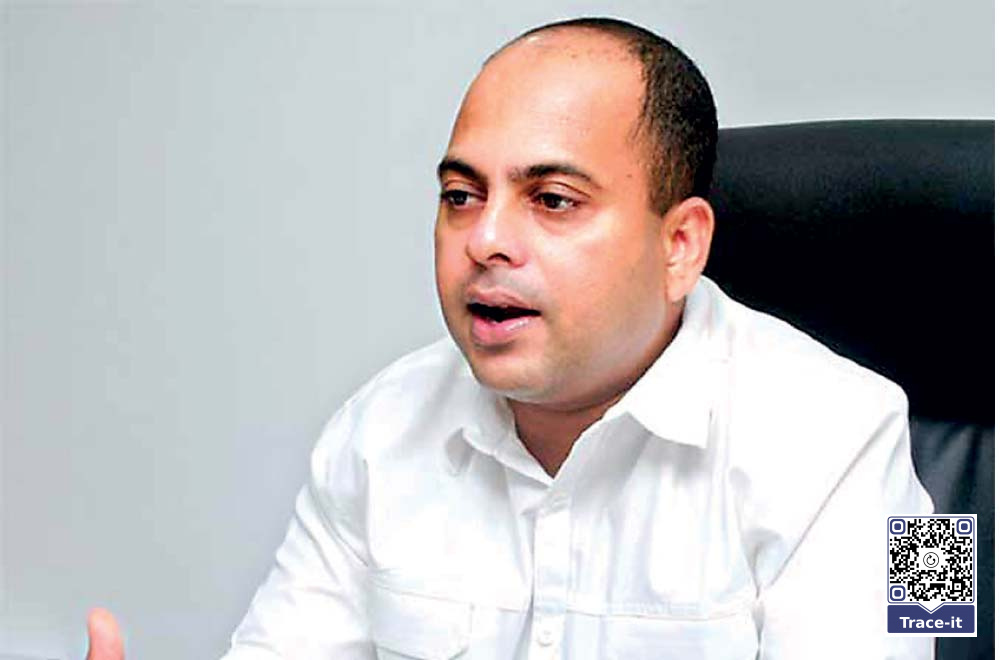
SOC on Infrastructure and Strategic Development Chairman and SJB MP S.M. Marikkar
Parliament’s Sectoral Oversight Committee (SOC) on Infrastructure and Strategic Development Chairman and SJB MP S.M. Marikkar this week called on the Public Utilities Commission of Sri Lanka (PUCSL) and energy utilities, including the National System Operator (NSO), to stop operating in silos and work together to prevent a repeat of last Saturday’s island-wide blackout.
Marikkar also urged the regulator and utilities to engage consumers and the public on the need to balance the grid, including why rooftop solar systems must be switched off when necessary. While acknowledging that solar energy delivers cheaper per-unit costs, he said the public was unaware of the complexities of keeping the grid balanced. He called for a final report on the blackout to ensure it does not happen again.
Initial investigations presented to the Committee showed that Unit 1 of the Norochcholai coal power plant, generating 187 MW, dropped to 5 MW. The plant’s three units together were supplying 529 MW, while solar was feeding 1,700 MW into the grid. The resulting imbalance triggered a total system failure at 11.43 a.m. on 17 October. A technical evaluation of why the grid failed is ongoing.
The grid was rebuilt in stages, with the Biyagama grid substation receiving the first supply from hydropower plants, and essential feeders received electricity before 4 p.m. Officials told the Committee that the NSO had requested rooftop solar owners to switch off their systems to stabilise the grid, but many did not respond. Rooftop systems needed to respond just as other power plants do, they said.
The request is not arbitrary. During restoration, the system operator brings generation and demand back online in carefully matched blocks. Rooftop systems reconnect automatically once their feeder is energised, injecting power the operator can neither see nor control, which can push a fragile, partially restored grid out of balance and risk another collapse.
PUCSL also showed how electricity consumption has changed. Peak demand, traditionally after dark when lights come on and households run appliances, now occurs during the day, reflecting heightened commercial activity, a natural shift for an emerging economy. The shift has implications for capacity expansion plans and tariffs, which have been built around an evening peak.
The blackout over the weekend was the second island-wide grid failure in under two years. On 9 February, 2025, the grid collapsed on a low-demand Sunday after a fault at the Panadura grid substation, and supply took more than six hours to restore.
The then Ceylon Electricity Board (CEB appointed an expert committee attributed that blackout mainly to low system inertia caused by an unusually high solar contribution, as the conventional plants that stabilise the grid were running at minimal levels. The PUCSL rejected the report and held its own public hearing in August 2025. As recently as August this year, the Electricity Consumers’ Association claimed no proper investigation had been carried out.


