Saturday Sep 26, 2026
Saturday Sep 26, 2026
Saturday, 26 September 2026 00:03 - - {{hitsCtrl.values.hits}}
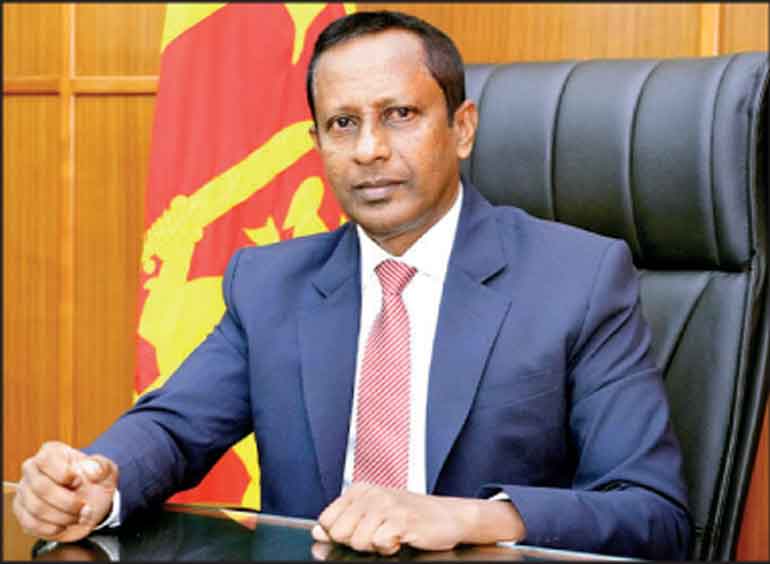
Economic Development Deputy Minister Nishantha Jayaweera
The Government remains committed to raising the monthly personal income tax-free threshold to Rs. 200,000, Economic Development Deputy Minister Nishantha Jayaweera told Parliament yesterday, reiterating its plan to lower tax rates while expanding the tax base.
His remarks came as President and Finance Minister Anura Kumara Dissanayake told a public rally that the Government would provide tax relief in the 2027 Budget.
The Government’s election manifesto had promised that income tax threshold would be increased to Rs. 200,000. Jayaweera said the intent remains, it was a question of when.
Jayaweera said the Government had already raised the monthly tax-free threshold to Rs. 150,000 from Rs. 100,000, equivalent to an annual threshold of Rs. 1.8 million. It had also adjusted the tax bands that apply to income above the threshold to provide further relief to taxpayers.
He said the Government intends to move to the Rs. 200,000 threshold as state revenue strengthens. “Discussions are under way with various parties under the President’s direction, and decisions on how to implement the increase are being considered,” the Deputy Minister said.
According to Jayaweera, the Government’s medium-term policy is to reduce tax rates while broadening the tax base and improving compliance. He said the Government believes some existing tax rates remain high and burden the public, but that any reductions would have to go hand in hand with measures to strengthen revenue collection.
Economic policy think tank, the Institute of Policy Studies this week said fiscal strategy must protect macroeconomic stability while addressing high public debt, limited fiscal space and weak investment in productivity-enhancing sectors.
It noted that Government revenue increased from 8.2% of GDP in 2022 to 16.6% in 2025, but the tax system remains consumption-tax dominant, with a direct-to-indirect tax ratio of 40:60. Public investment fell from 5% to 3% of GDP during fiscal adjustment, while debt sustainability remains a key vulnerability.
“Further tax rate increases are not recommended, but tax cuts are premature because of challenges such as uneven compliance, informality, and exemptions,” the IPS said.
“After the current IMF program ends in 2027, revenue strategies should prioritise increasing the share of direct taxes over indirect taxes by broadening the tax base, reducing exemptions, improving compliance among the self-employed and high-income earners, and digitalising tax administration,” it said.


