Saturday Aug 15, 2026
Saturday Aug 15, 2026
Saturday, 15 August 2026 00:06 - - {{hitsCtrl.values.hits}}
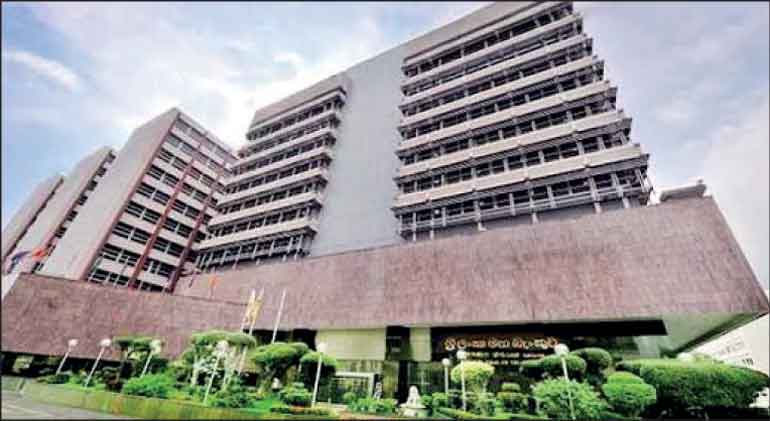
The Central Bank of Sri Lanka (CBSL) has projected economic growth of 4-5% in 2026, but warned that the outlook remains exposed to geopolitical, external and climate risks.
In its Monetary Policy Report for August 2026, the CBSL said near-term growth prospects had improved as the economic spillovers from geopolitical tensions in the Middle East were less severe than previously anticipated. Improving domestic demand and continued macroeconomic stability are expected to support growth over the medium term.
Real GDP growth in the second quarter is expected to have remained steady, reflecting industry and services performance. The medium-term growth trajectory is expected to strengthen gradually towards potential, although the recovery in domestic demand is likely to be gradual partly due to the transmission of the recent monetary policy tightening.
The CBSL cautioned that renewed Middle East tensions could affect global energy markets, trade, supply chains and investor sentiment, while developments in Sri Lanka’s main trading partners and recurrent weather shocks could weigh on growth. It said continuation of the growth momentum was conditional on timely and effective implementation of structural reforms and growth-enhancing strategies.
The Central Bank also estimates that the current account will return to a moderate deficit in 2026 after three years of surpluses, primarily reflecting a wider trade deficit from higher fuel and vehicle imports and a smaller services surplus due to lower tourism earnings, despite healthy remittance flows.
Its baseline assumes Brent crude will average about $ 80 per barrel in 2026 and $ 70 in 2027, while global food prices, currently close to a three-year high, are expected to moderate gradually.
Downside growth risks include weaker external demand, lower tourism activity and adverse weather, while sustained private-sector credit growth and stronger domestic demand could push economic activity above the baseline projection.


