Saturday Sep 19, 2026
Saturday Sep 19, 2026
Friday, 23 January 2026 00:00 - - {{hitsCtrl.values.hits}}

By Katie Speldewinde
Walking into Play Expo and Colombo Comic Expo (CCx) 2025, it was clear this was no longer just about games, comics, or cosplay. What unfolded over two packed days in Colombo felt like a snapshot of where Sri Lanka’s youth culture is headed, and more importantly, where the country itself could go if it chooses to take Esports and digital creativity seriously.
Organised by Gamer.LK, Sri Lanka’s largest youth-focused pop culture event, returned this year with confidence, scale, and intent. Backed by Munchee Savoury as Platinum Partner and powered by Coca-Cola, the event drew thousands from across the island. But beyond the numbers, what stood out was a quiet shift: gaming, Esports, and fandom were no longer on the sidelines. They were centre stage.
More than a crowd – A signal
For Gen Z, this wasn’t just an event to attend; it was a space that felt familiar. One where competition, creativity, and community existed side by side. Over 3,500 players competed across more than 25 Esports titles, spanning PC, mobile, console, and VR. These weren’t casual side activities; they were structured tournaments, run with professionalism, attracting serious players and dedicated audiences.
What was equally telling was who was watching. Parents, families, and first-time visitors filled the viewing areas alongside seasoned gamers. Esports, once dismissed as niche, is clearly edging into the mainstream. That matters because cultural acceptance is often the first step toward industry growth.
Esports, but make it live
Online platforms may be where Esports thrives globally, but Play Expo proved that Sri Lanka is ready for live, in-person competition. With large screens, live commentary, and tightly packed crowds, matches played out with the same energy you would expect at a traditional sporting event.
The reactions were real: cheers, groans, shared tension, shared wins. For many, this was their first time experiencing Esports as a collective, physical experience rather than something confined to a screen at home. That shared energy is exactly what builds sustainable Esports ecosystems: fans, players, organisers, and sponsors all in one space.
If Sri Lanka wants to position itself as a regional Esports hub, events like this are not optional but foundational.
Creativity without apology
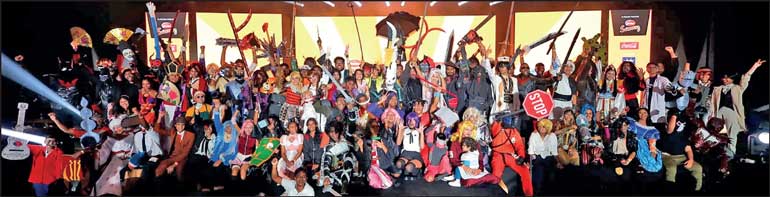
Running parallel to the competitive intensity of Play Expo was Colombo Comic Expo (CCx), which brought creativity into full view. Cosplay, once misunderstood or marginalised, owned the spotlight. The Cosplay Ramp Walk featured over 300 participants, while countless others moved through the venue in costume.
What stood out wasn’t just the visual spectacle, but the confidence. For many young Sri Lankans, this kind of open self-expression is rare. CCx offered a space where being different wasn’t explained or justified; it was celebrated.
Betting on local talent
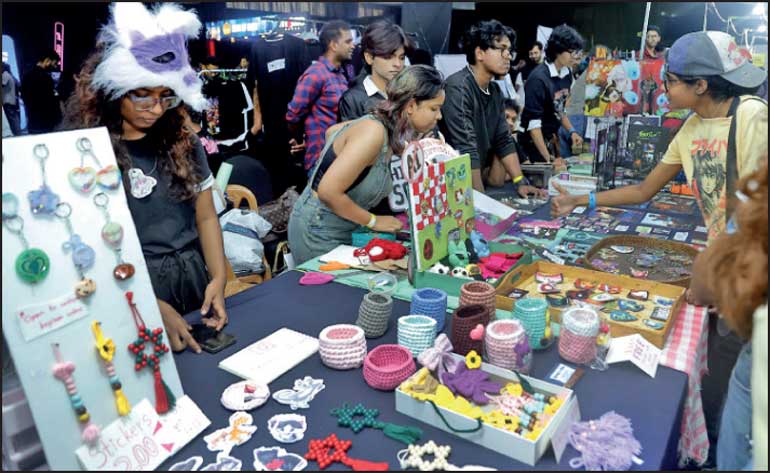
One of the most quietly powerful spaces at the event was Artist Alley. With over 60 local illustrators and designers, it showcased something Sri Lanka often underestimates: its own creative talent.
Here, fans didn’t just buy art; they met the artists behind it. Conversations flowed easily, and local stories blended with global pop culture influences. In a country where creative careers are still treated with caution, this was proof that demand exists, audiences exist, and opportunity exists if platforms are built intentionally.
A blueprint for a digital economy
Technology zones, VR experiences, simulators, and influencer meetups rounded out the event, reinforcing one key idea: digital culture doesn’t isolate, it connects. Influencers were accessible, fans were engaged, and movement across spaces felt natural and inclusive.
According to Gamer.LK CEO Raveen Wijayatilake, the goal has always gone beyond entertainment. Play Expo and CCx were designed as intersections where different communities collide and new ones form. That philosophy matters, especially if Sri Lanka hopes to grow Esports not just as a pastime, but as an industry.
Strong brand backing, including Mentos, Newdale, Lenovo, Wonder, Scope Cinemas, and InGame Esports, further signals growing corporate confidence in youth culture as a long-term investment, not a passing trend.
Looking forward, not just around
As Play Expo and Colombo Comic Expo 2025 wrapped up, one thing was clear: Sri Lanka’s youth pop culture ecosystem is no longer “emerging”. It is organising, professionalising, and demanding to be taken seriously.
For Gen Z, gaming and Esports are not distractions; they are career paths, creative outlets, and global connection points. For Sri Lanka, they represent a real opportunity: to build regional relevance, export talent, and tap into a fast-growing digital economy. The question now isn’t whether this culture will grow. It already is. If 2025 is any indication, the future of Sri Lankan Esports isn’t something to imagine; it’s already loading.




