Saturday Sep 26, 2026
Saturday Sep 26, 2026
Wednesday, 27 May 2026 14:11 - - {{hitsCtrl.values.hits}}
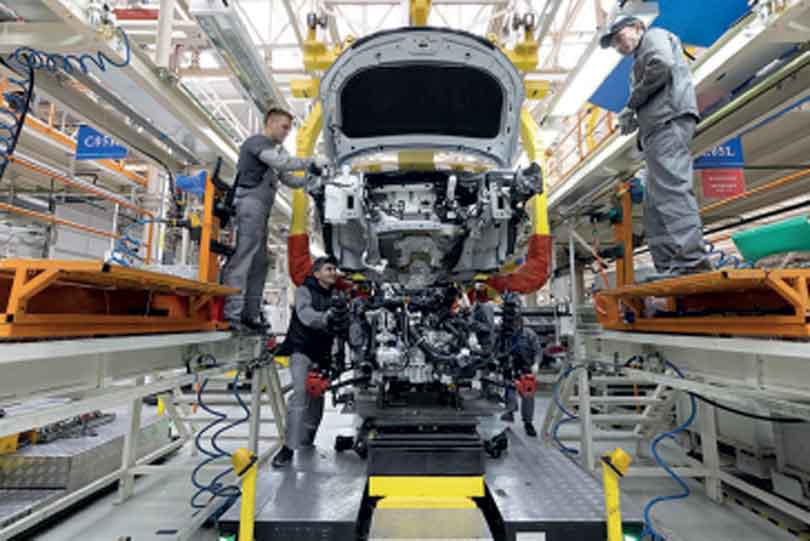
The global automotive industry is one of the largest and most complex manufacturing sectors in the world. Modern vehicle production involves thousands of individual components sourced from multiple countries and assembled through highly coordinated global supply chains. From raw materials and electronic systems to advanced batteries and lightweight alloys, the automotive manufacturing process depends heavily on the availability, quality, and timely delivery of materials. As the industry evolves toward electric mobility, smart technologies, and sustainable production, vehicle manufacturing materials and supply chain management have become increasingly important.
A modern automobile contains a wide range of materials designed to provide durability, safety, performance, efficiency, and comfort. Steel remains the most widely used material in vehicle manufacturing due to its strength, affordability, and versatility. It is commonly used in vehicle frames, chassis structures, body panels, suspension systems, and safety components. Advanced high-strength steel is now increasingly used to improve crash protection while reducing overall vehicle weight.
Aluminum has become another essential material in the automotive industry. Compared to traditional steel, aluminum is lighter and highly resistant to corrosion. Automotive manufacturers use aluminum in engines, wheels, hoods, doors, and structural components to improve fuel efficiency and vehicle performance. Lightweight materials help reduce fuel consumption in conventional vehicles while increasing driving range in electric vehicles.
Plastics and composite materials also play a major role in modern vehicle production. Plastic components are used in dashboards, bumpers, interior trims, fuel systems, lighting units, and electronic housings. These materials help reduce vehicle weight, improve design flexibility, and lower manufacturing costs. Carbon fiber composites are increasingly used in luxury and performance vehicles because of their exceptional strength-to-weight ratio.
Rubber is another important material used extensively in tire production, sealing systems, hoses, belts, and vibration-control components. Glass is used for windshields, windows, mirrors, and increasingly for panoramic roofs and display technologies in modern vehicles.
The growing shift toward electric vehicles has introduced new material demands within the automotive sector. EV batteries require critical minerals such as lithium, cobalt, nickel, manganese, and graphite. These materials are essential for battery performance, energy density, and charging efficiency. As global EV demand increases, competition for these raw materials has intensified significantly.
Lithium is one of the most important materials for modern electric vehicle batteries. Countries such as Australia, Chile, China, and Argentina are major lithium producers. Nickel and cobalt are also vital for battery manufacturing, particularly in high-performance battery chemistries. However, concerns regarding limited supply, environmental impact, and ethical mining practices have increased pressure on manufacturers to develop sustainable sourcing strategies.
Semiconductors have become another crucial component in modern vehicles. Today’s automobiles rely heavily on electronic control systems, sensors, infotainment systems, safety technologies, and digital connectivity features. Electric vehicles and advanced driver assistance systems require significantly more semiconductor chips than traditional vehicles. The global semiconductor shortage experienced in recent years demonstrated how vulnerable automotive production can become when supply chain disruptions occur.
The automotive supply chain is highly globalized and interconnected. Vehicle manufacturers depend on suppliers located across multiple countries for raw materials, parts, electronics, and finished components. A single vehicle may contain parts manufactured in dozens of different countries before final assembly takes place.
Typically, automotive supply chains are divided into several levels. Tier-1 suppliers provide complete systems or modules directly to vehicle manufacturers, such as braking systems, engines, seats, or electronic systems. Tier-2 suppliers produce individual parts and materials used by Tier-1 suppliers, while Tier-3 suppliers provide raw materials and basic components.
Efficient supply chain management is essential because automotive manufacturing often relies on just-in-time production systems. This method minimizes inventory costs by ensuring parts arrive exactly when needed during assembly. While highly efficient under stable conditions, just-in-time manufacturing can become vulnerable during disruptions such as pandemics, natural disasters, political conflicts, or shipping delays.
The COVID-19 pandemic exposed significant weaknesses within the global automotive supply chain. Factory shutdowns, transportation restrictions, labor shortages, and semiconductor supply disruptions caused severe production delays across the industry. Many automakers were forced to temporarily suspend manufacturing operations due to shortages of essential components.
Geopolitical tensions and international conflicts have further complicated automotive supply chains. Rising shipping costs, trade restrictions, sanctions, and fuel price volatility have increased operational challenges for manufacturers worldwide. The Russia-Ukraine conflict and instability in the Middle East have disrupted global transportation routes and raw material supplies, affecting both production schedules and manufacturing costs.
Climate-related disruptions are also becoming increasingly important. Floods, droughts, extreme weather events, and environmental regulations can impact mining operations, transportation infrastructure, and manufacturing facilities. As a result, automotive companies are now placing greater emphasis on supply chain resilience and sustainability.
To address these challenges, many automotive manufacturers are diversifying their supplier networks and increasing regional production capabilities. Some companies are investing in localized manufacturing and battery production facilities to reduce dependence on distant suppliers and improve supply chain security.
Vertical integration is becoming more common within the automotive industry. Several major automakers are directly investing in battery manufacturing plants, semiconductor production partnerships, and raw material sourcing agreements. This strategy helps manufacturers gain greater control over costs, supply stability, and technological innovation.
Digital technology is also transforming automotive supply chain management. Artificial intelligence, big data analytics, blockchain, and Internet of Things (IoT) systems are helping companies improve inventory tracking, demand forecasting, quality control, and logistics efficiency. Real-time monitoring systems allow manufacturers to identify disruptions quickly and respond more effectively.
Sustainability is becoming a central priority within vehicle manufacturing and supply chain operations. Consumers, governments, and investors increasingly expect automotive companies to reduce environmental impact throughout the production process. Manufacturers are therefore focusing on carbon reduction, renewable energy use, waste recycling, and responsible material sourcing.
Battery recycling is emerging as a particularly important area for the future automotive industry. Recycling valuable minerals from used EV batteries can reduce dependence on mining, lower production costs, and support environmental sustainability. Several companies are investing heavily in advanced battery recycling technologies and circular economy initiatives.
Ethical sourcing practices are also receiving greater attention. Automotive manufacturers are under increasing pressure to ensure that raw materials such as cobalt and lithium are sourced responsibly without human rights violations or environmental damage. Supply chain transparency and certification programs are becoming increasingly important in maintaining consumer trust and regulatory compliance.
Emerging markets have significant opportunities within the automotive supply chain sector. Countries with strong industrial infrastructure, skilled labor, and favorable investment policies can attract automotive assembly plants, component manufacturing facilities, and logistics operations. Developing nations can benefit through employment generation, technology transfer, and export growth.
Sri Lanka also has potential opportunities within the automotive support industry, particularly in vehicle servicing, spare parts distribution, logistics, rubber-based products, and technical training. Strengthening industrial capabilities and promoting investment in automotive technologies could support long-term economic development.
In conclusion, vehicle manufacturing materials and supply chain systems are fundamental to the success of the modern automotive industry. As vehicles become more technologically advanced and environmentally sustainable, demand for specialized materials and efficient logistics networks continues to grow. While global supply chains face numerous challenges, innovation, digital transformation, sustainability initiatives, and strategic investments are helping the industry adapt to changing market conditions. The future of automotive manufacturing will depend not only on technological advancement but also on resilient, ethical, and sustainable supply chain management.




