Saturday Sep 26, 2026
Saturday Sep 26, 2026
Friday, 25 September 2026 09:43 - - {{hitsCtrl.values.hits}}
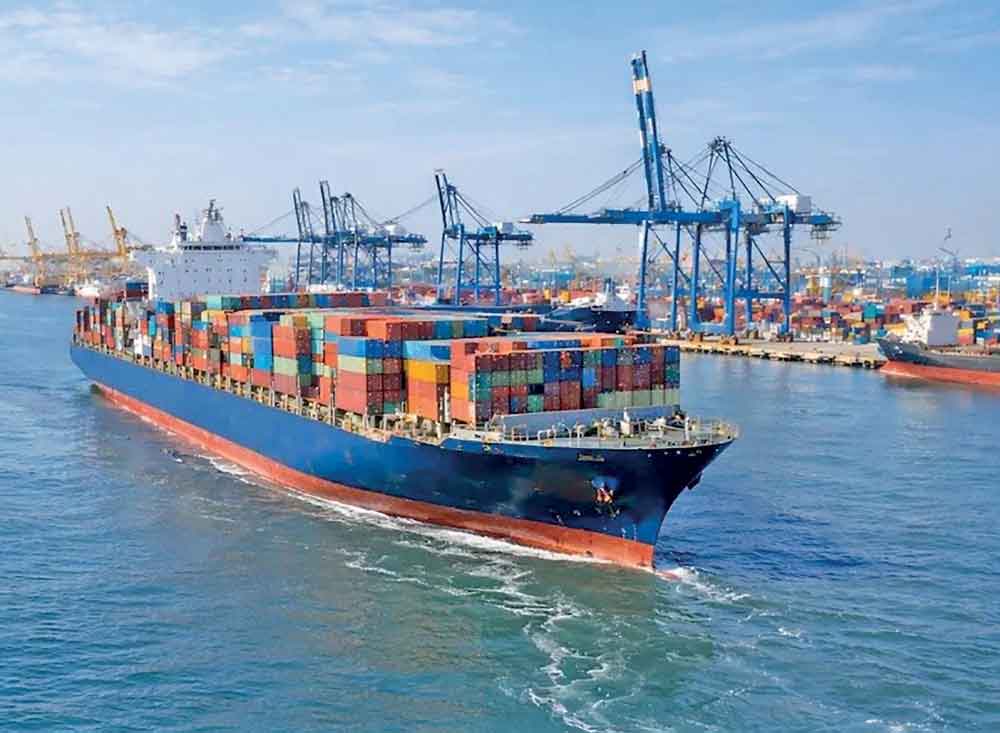
Every year, World Maritime Day provides an opportunity for the global maritime community to recognise the vital role of shipping and the millions of people who keep the maritime industry moving. In 2026, the International Maritime Organization (IMO) is placing the spotlight on a critical challenge facing the sector: turning internationally agreed policies and regulations into meaningful action.
The theme for World Maritime Day 2026 and 2027 is “From Policy to Practice: Powering Maritime Excellence.” For the first time, the IMO has adopted a two-year World Maritime Day theme, giving countries and maritime stakeholders greater opportunity to plan, implement and build lasting impact around the theme.
Turning Rules into Real-World Results
The maritime industry operates within an extensive framework of international conventions, codes, standards and guidelines developed over decades. These instruments cover some of the most important aspects of shipping, including safety, security, environmental protection, efficiency and the welfare of seafarers.
However, developing international standards is only the beginning. Their real value is achieved when they are effectively incorporated into national legislation, properly enforced and consistently applied on ships, in ports and throughout the wider maritime sector.
This is the central message behind “From Policy to Practice.” The theme calls on governments, regulators, shipowners, operators, seafarers, port authorities, training institutions and other maritime stakeholders to ensure that commitments made at the international level translate into practical results.
The IMO has highlighted that gaps in national legislation and enforcement can undermine the effectiveness of international maritime regulations. Strengthening implementation is therefore essential to achieving a safer, more secure, efficient and environmentally responsible maritime sector.
Powering Maritime Excellence
The word “Powering” in the 2026 theme reflects the importance of capacity building, technical cooperation, training and knowledge sharing. Not every country has the same resources, infrastructure or technical capabilities to implement increasingly complex maritime requirements.
Supporting countries in developing the necessary skills, institutions, systems and infrastructure is therefore an important part of achieving consistent implementation.
Maritime excellence cannot be achieved through regulations alone. It requires people who understand those regulations and have the skills, technology and resources to put them into practice.
From seafarers and port workers to maritime administrators, inspectors, ship operators and policymakers, every part of the maritime value chain has a role to play. The IMO’s 2026 campaign specifically emphasises that putting policy into practice is ultimately about people working across the maritime sector.
Safety, Sustainability and Innovation
Maritime excellence has many dimensions. Safety remains one of the industry’s fundamental responsibilities, requiring strong standards, effective training, appropriate equipment and consistent enforcement.
At the same time, the maritime sector is undergoing significant technological and environmental transformation. Shipping is moving towards cleaner fuels, greater energy efficiency, digitalisation and new technologies. These changes require regulations and technical standards to evolve alongside the industry.
The IMO has identified areas including new fuels, emerging technologies, seafarer training and decarbonisation as important priorities for 2026. The organisation is also progressing work related to autonomous ships and the continuing reduction of greenhouse gas emissions from international shipping.
Digitalisation is another area where policy must translate into practical implementation. Modern maritime trade increasingly depends on efficient information exchange between ships, ports and government agencies. The IMO has highlighted initiatives such as Maritime Single Windows as examples of how international requirements can be transformed into practical systems that improve the efficiency of maritime trade.
Protecting People and the Ocean
The maritime sector is not only about ships and cargo. It is also about people and the marine environment.
Seafarers spend months away from their families and work in challenging conditions, making their safety, welfare, training and professional development essential components of maritime excellence. Effective implementation of international standards can help create safer working environments and ensure that seafarers are properly prepared for a rapidly changing industry.
Environmental responsibility is equally important. Shipping depends on healthy oceans, while the industry itself has an important role in reducing pollution and greenhouse gas emissions and supporting sustainable use of marine resources.
The 2026 theme therefore connects closely with wider global sustainability objectives, including the United Nations Sustainable Development Goals relating to infrastructure and innovation, climate action, life below water and international partnerships.
A Shared Responsibility
The future of maritime transport depends on cooperation. Shipping crosses borders, and no single country or organisation can address every challenge independently.
Governments establish and enforce national frameworks. International organisations develop common standards. Shipowners and operators implement them in daily operations. Port authorities facilitate safe and efficient trade. Seafarers apply knowledge and procedures at sea. Training institutions prepare the next generation of maritime professionals.
Each part of this system is connected.
World Maritime Day 2026 is therefore more than a celebration of the maritime industry. It is a reminder that policies achieve their purpose only when they become practical action.
For countries with significant maritime interests, including Sri Lanka, effective implementation can contribute to stronger maritime governance, safer shipping operations, efficient ports, skilled maritime professionals and sustainable economic development.
The Road Ahead
The global maritime sector is entering an era of transformation. New technologies, alternative fuels, digital systems, evolving environmental requirements and changing patterns of international trade are creating both opportunities and challenges.
Against this backdrop, “From Policy to Practice: Powering Maritime Excellence” offers a clear direction for the maritime community: move beyond commitments and focus on implementation, measurable progress and continuous improvement.
Maritime excellence is ultimately built through action — through regulations that are implemented, skills that are strengthened, technology that is responsibly adopted, oceans that are protected and people who are empowered to perform their roles safely and effectively.
As the world observes World Maritime Day on 24 September 2026, the message is clear: the future of shipping will depend not only on the quality of the policies we develop, but on our collective ability to put them into practice.
From policy to practice, the maritime community can build a safer, more secure, more efficient and more sustainable future for shipping — powering maritime excellence for generations to come.




