Saturday Sep 26, 2026
Saturday Sep 26, 2026
Monday, 17 August 2026 15:37 - - {{hitsCtrl.values.hits}}
CWIT; at the Forefront of Transformation
As Sri Lanka celebrates National Logistics Day, the logistics industry is increasingly being shaped by technology, automation, sustainability and the need for faster, more reliable supply chains. For Sri Lanka, positioned strategically along major international shipping routes, these developments present an important opportunity to strengthen the country’s role as a leading maritime and logistics hub in the Indian Ocean.
Having introduced a new generation of Cranes, Colombo West International Terminal (CWIT) is at the forefront of this transformation. Developed through a landmark partnership between the Sri Lanka Ports Authority, Adani Ports and Special Economic Zone Limited, and John Keells Holdings PLC, the terminal represents a major investment in the future of the country’s maritime infrastructure.
Automation Transforming Port Operations
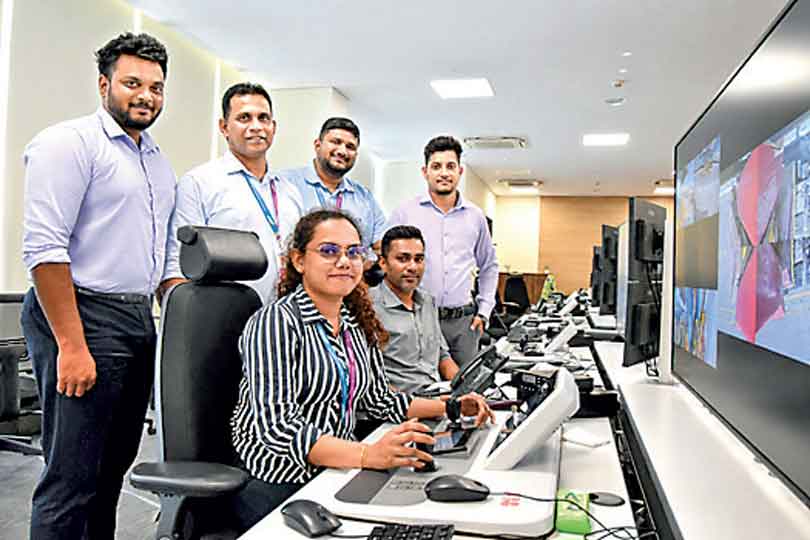
CWIT is Sri Lanka’s first fully automated deep-water container terminal, bringing advanced automation and digital technologies into container handling operations. The terminal combines automated cargo-handling systems, electrified equipment and intelligent operational technologies to improve efficiency, accuracy and predictability.
Automation is particularly important in modern logistics because global shipping increasingly demands faster vessel turnaround times and seamless cargo movement. By reducing dependence on manual processes and integrating technology into terminal operations, CWIT is helping create a more efficient logistics environment while maintaining high standards of operational safety and reliability.
The results are already significant. Within just eleven months of commissioning, CWIT became the fastest terminal in the history of the Port of Colombo to handle one million TEUs.
This achievement demonstrates how advanced infrastructure, technology and skilled people can work together to deliver world-class performance.
Introducing New Technology to
Sri Lanka
CWIT’s technological development is continuing through its Phase II expansion, which includes the introduction of two state-of-the-art electric Ship-to-Shore cranes and seven Cantilever Rail Mounted Gantry cranes. The new electric cranes are among the tallest of their kind in the region and represent a significant step forward in modern container-handling technology.
These advanced machines are designed to provide greater precision, faster cargo handling and improved productivity while supporting lower-emission operations. With additional equipment scheduled to arrive, CWIT will further expand its ability to handle increasing cargo volumes and accommodate some of the world’s largest container vessels.
The terminal’s 1,400-metre quay, 20-metre water depth and planned annual capacity of approximately 3.2 million TEUs will enable it to accommodate three of the world’s largest container vessels simultaneously upon completion.
Arrival of the Region’s Tallest Electric Cranes
CWIT is fulfilling its unwavering commitment towards providing a game-changing experience for the maritime community. CWIT, in line with its aspirations for shaping the futurity of shipping has reached another significant milestone with the timely arrival of Ship-to-Shore electric cranes and Cantilever Rail Mounted Gantry Cranes officially commencing its Phase 2 capacity development Stage. The cranes, being the tallest in the region, are the best in its genre and is a major investment in modern port infrastructure. This investment reinforces CWIT’s commitment towards delivering faster, smarter, and more sustainable cargo handling operations while providing schedule integrity and reliable connections for the shipping industry.
Digitalisation and Smarter Supply Chains
The future of logistics is not simply about moving more cargo—it is about moving cargo smarter. Digital technologies are becoming increasingly important in creating visibility, predictability and efficiency across global supply chains.
CWIT’s integration of intelligent digital systems with automated and electrified cargohandling equipment demonstrates how Sri Lanka is adapting to this new reality. Faster and more predictable terminal operations can support shipping lines, logistics providers and other supply-chain stakeholders by improving schedule reliability and reducing delays.
For a country whose economy is closely connected to international trade, these improvements can have a wider impact. A more technologically advanced Port of Colombo can enhance connectivity between Asia, the Middle East, Africa and other global markets.
Technology Supporting a Greener Future
Automation is also closely connected with the growing importance of sustainability in logistics. CWIT’s investment in electric cargo-handling equipment demonstrates how technology can improve operational efficiency while reducing emissions.
Sustainability has been incorporated into the terminal’s long-term development rather than being treated as a separate initiative. This approach reflects the changing expectations of the global shipping industry, where ports are increasingly required to balance productivity with environmental responsibility.
CWIT has also become the first container terminal at the Port of Colombo to achieve all three internationally recognised ISO certifications simultaneously, covering quality management, environmental management, and occupational health and safety. These certifications reinforce the terminal’s commitment to operating according to global standards.
Developing Sri Lankan Talent for the Future
While automation and digitalisation are transforming logistics, technology alone cannot create a successful logistics ecosystem. Skilled people remain at the heart of every modern operation.
CWIT is investing in the development of Sri Lankan professionals who can operate and manage sophisticated port technologies. This creates opportunities for local talent to gain experience in advanced maritime operations while building the skills required for the future of logistics.
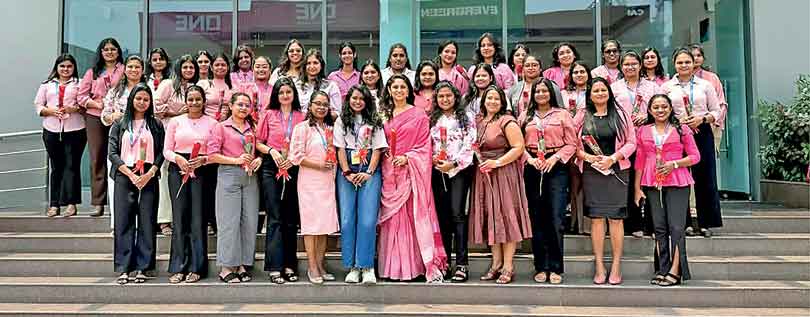
In 2026, CWIT also became the first container terminal in Sri Lanka to receive Great Place to Work® Certification, based on employee feedback and workplace experience. Its focus on learning, inclusion, diversity and young Sri Lankan talent highlights the importance of combining technological advancement with human development.
Building Sri Lanka’s Logistics Future
National Logistics Day provides an opportunity to recognise the people, infrastructure and technologies that keep trade moving. Sri Lanka’s logistics future will depend increasingly on its ability to embrace automation, digitalisation, sustainability and innovation.
CWIT’s development demonstrates that this future is already taking shape in Colombo. Through automated operations, electric equipment, advanced digital technologies, worldclass infrastructure and investment in Sri Lankan professionals, the terminal is helping redefine what a modern logistics hub can be.
As global trade continues to evolve, Sri Lanka has the opportunity to move beyond being a strategic location and become a smarter, greener and more technologically advanced logistics gateway for the region. CWIT remains committed to fulfilling these aspirations and providing a futuristic service to the maritime community.




