Friday Oct 16, 2026
Friday Oct 16, 2026
Monday, 25 May 2026 00:24 - - {{hitsCtrl.values.hits}}
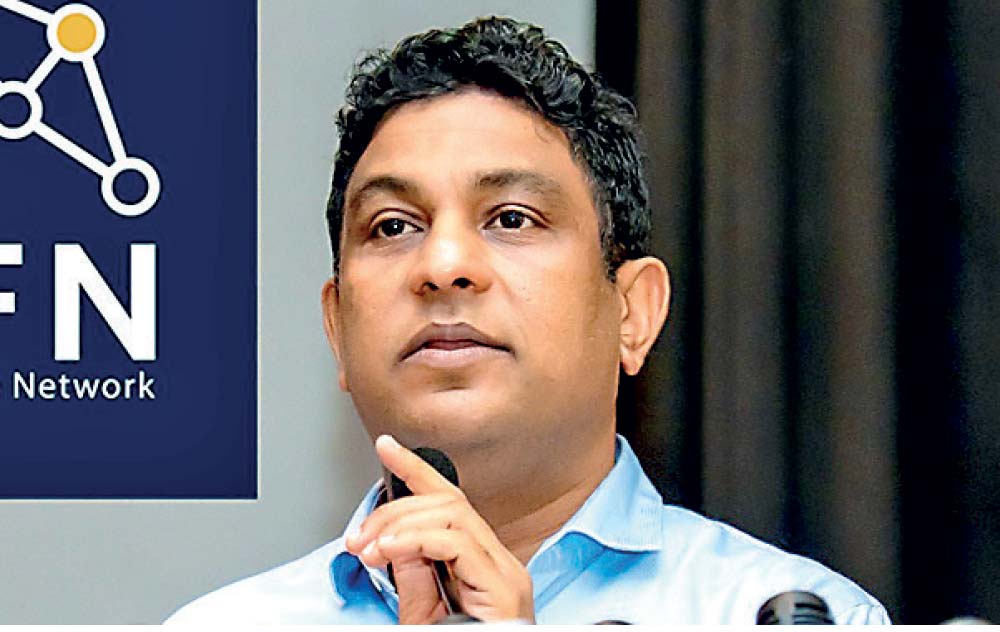
Chairman Danushka Udugama

Lanka Microfinance Network Committee
Lanka Microfinance Network (LMFN), Sri Lanka’s dedicated national platform for the microfinance sector, formally inaugurated its governance structure on 15 May 2026 — at a landmark Meeting attended by over 100 participants representing the Microfinance Sector, practitioners and stakeholders from across the country.
The event marked a defining milestone for the sector, with the Network electing its inaugural Board of Management and appointing its first set of office bearers, setting in motion a structured and democratically governed body to champion the interests of microfinance in Sri Lanka.
A national voice for microfinance
LMFN was established to serve as a unified national platform for microfinance companies, NGOs, rural and community-based societies, and sector support organisations across Sri Lanka.
The Network’s Constitution, formally adopted at today’s meeting, sets out eleven core objectives — from influencing government policy and building sector capacity, to promoting ethical standards, facilitating credit information sharing, and fostering international collaboration. LMFN is structured as a non-profit entity, with all income applied solely towards its organisational objectives.
09 Council Members elected — Representing all institution types and regions
The meeting elected a comprehensive 09-member Board of Management comprising five office bearers and four board members representing diverse types of microfinance institutions, in addition to nine provincial representatives ensuring full geographic coverage of Sri Lanka’s provinces.
The five Office Bearers elected are: Chairman Danushka Udugama; Secretary Imran Nafeer; Deputy Chairman Sameera Gunathilake; Deputy Secretary Godrpy Janakarathna; and Treasurer Pushpa Wijethunga.
Four Board Members were also elected, representing a cross-section of the microfinance industry: Darshana Wijesinghe; Rajitha Udagedara; Nimal Marasinghe; and Rangana Dihan.
Nine Provincial Representatives were also elected, ensuring grassroots representation from all regions of the island. This structure reflects the Network’s commitment to inclusive, democratic governance and ensures that member institutions across every corner of Sri Lanka have a direct voice in the management of the organisation.
A constitution for the sector
The meeting formally disclosed LMFN’s Constitutional framework, which outlines a structured membership comprising three categories: Principal Members (legally registered microfinance institutions), Affiliate Members (technology providers, consultancy companies, training organisations and sector support entities), and Honorary Members (conferred upon eminent individuals and organisations that have rendered distinguished service to the sector).
The Constitution further establishes clear governance provisions on elections, terms of office, disciplinary procedures, financial management, and the powers of the Council — positioning LMFN as a transparent and accountable institution aligned with best governance practices.
Partnering with the New Microfinance and Credit Regulatory Authority
A key priority for the newly established LMFN is to closely lobby and work alongside the Microfinance and Credit Regulatory Authority of Sri Lanka, established under the Microfinance and Credit Regulatory Authority Act, No. 9 of 2026— a landmark piece of legislation passed by Parliament, replacing the Microfinance Act No. 6 of 2016.
The new Act establishes a dedicated regulatory authority mandated to regulate and supervise licensed microfinance institutions and money lenders, protect borrowers, coordinate with the Central Bank of Sri Lanka, and set standards for ethical and responsible lending practices across the sector.
LMFN intends to serve as a constructive and proactive partner to the Authority — representing the collective voice of its member institutions, facilitating dialogue between the regulator and the industry, and supporting the implementation of the Act’s objectives on the ground. The Network believes that a well-regulated, professionally governed microfinance sector is essential to realising the Act’s promise of dignity, fairness and financial safety for millions of Sri Lankan households.
Newly elected Chairman Danushka Udugama, addressing the gathering said: “This is a historic day for Sri Lanka’s microfinance community. We have a body that brings together institutions of all types and sizes under one roof — from large microfinance companies to small community-based lenders in every province. Together, we will ensure the voice of this sector is heard where it matters most.”
Further, he noted that we see the Microfinance and Credit Regulatory Authority as a critical partner in building a stronger, more responsible sector. LMFN will actively engage with the Authority, share industry insights, and help bridge the gap between regulation and practice to ensure the Act achieves its intended impact,"
A pivotal moment for Sri Lanka’s Microfinance sector
Sri Lanka’s microfinance sector serves millions of low-income households, providing access to credit and financial services where traditional banking has limited reach. Despite its significant economic and social contribution, the sector has long needed an inclusive body with all types of Microfinance Institutions to represent its collective interests, advocate for enabling policy frameworks, and uphold industry standards.
LMFN’s establishment addresses this gap directly. With a 09-member board and 09 regional representatives drawn from across the country and a mandate to engage government, regulators and international partners, the Network is positioned to become a collective voice for sustainable and responsible microfinance in Sri Lanka.
The election of over 100 participating members at the inaugural meeting itself is a powerful signal of the sector’s readiness to organise, collaborate and move forward with a shared agenda.
What’s next
The newly constituted Council is expected to convene its first formal meeting in the coming weeks to assign committee responsibilities, finalise an operational plan, and begin engaging key stakeholders. Membership applications are open to eligible institutions across all three categories.




