Saturday Sep 26, 2026
Saturday Sep 26, 2026
Friday, 26 June 2026 15:28 - - {{hitsCtrl.values.hits}}
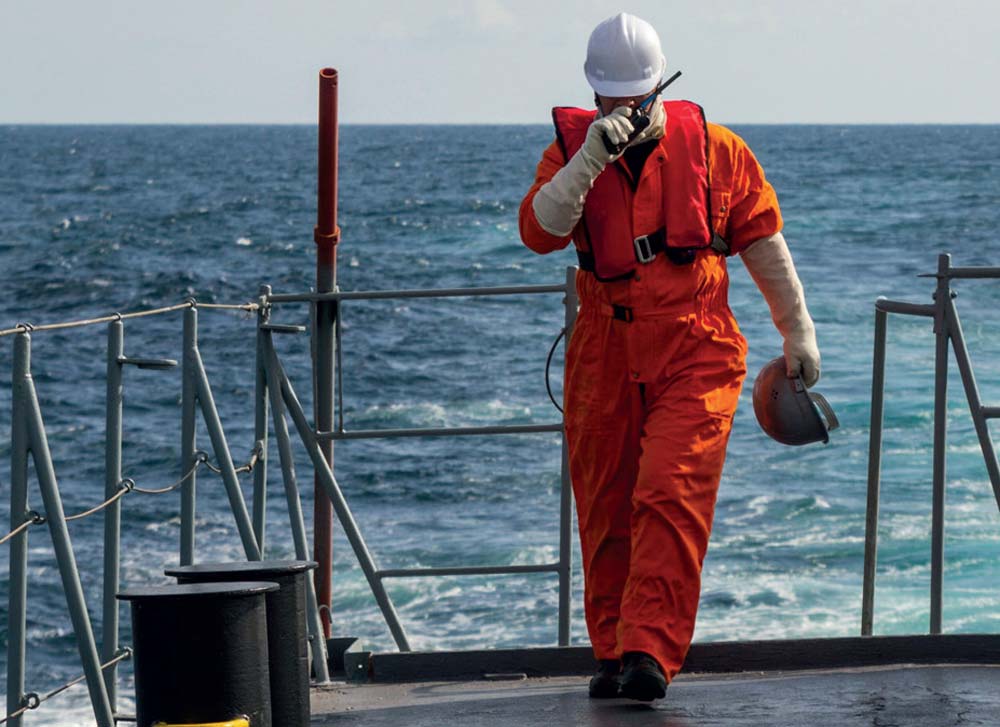
Seafarers are the backbone of the global economy, enabling over 80% of global trade. As the maritime sector undergoes rapid transformation driven by decarbonisation, digitalisation, automation, and geopolitical disruption, there is growing recognition that the sector’s success depends on the wellbeing, resilience, and preparedness of its workforce. As shipping evolves and new maritime opportunities emerge, stakeholders are increasingly being called upon to view seafarer welfare not merely as a compliance obligation, but as a strategic pillar of sustainable and resilient maritime ecosystems.
Despite their critical role, seafarers continue to face significant challenges, including long periods at sea, fatigue, limited access to welfare services, uncertainty around reskilling, mental health concerns, alongside growing exposure to conflict and climate-related disruptions. These realities underscore the need to reimagine welfare infrastructure, support systems, and policy frameworks so that they are more responsive to the diverse needs and lived experiences of the global maritime workforce. Observed annually on 25 June and established by the International Maritime Organisation (IMO), the Day of the Seafarer provides an important opportunity to reflect on these challenges and identify pathways for meaningful reform.
This roundtable will bring together policymakers, port authorities, shipping companies, maritime educators, and seafarer welfare organisations to explore how the maritime sector can create more inclusive, secure, and supportive environments for seafarers. With India emerging as a leading maritime nation and one of the world’s largest suppliers of seafarers, the discussion will also examine how the country can strengthen welfare, skilling, and reskilling frameworks to build a future-ready workforce capable of navigating the opportunities and challenges of a rapidly changing maritime landscape.
Driving questions
1 How can ports, shipping companies, and governments place seafarer wellbeing at the centre of maritime policy and operations? What investments in welfare infrastructure, connectivity, healthcare, and shore-based services are needed to better support seafarers?
2 As seafarers face growing exposure to geopolitical tensions, piracy, and climate-related disruptions, how can the maritime sector strengthen frameworks for their safety, security, and protection?
3 How can welfare systems be redesigned to better address the lived realities and diverse socio-cultural backgrounds of the global maritime workforce?




