Saturday Sep 26, 2026
Saturday Sep 26, 2026
Friday, 26 June 2026 15:19 - - {{hitsCtrl.values.hits}}
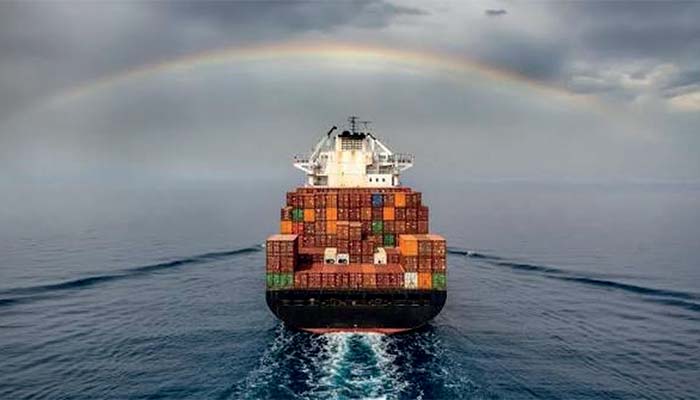 Every year on 25 June, the global maritime community comes together to celebrate the Day of the Seafarer, recognizing the men and women whose dedication keeps international trade moving across the world’s oceans. In 2026, the observance carries even greater significance as the maritime industry acknowledges not only the essential contribution of seafarers but also the increasing risks and challenges they face in an ever-changing global environment.
More than 80% of global trade by volume is transported by sea. From food and medicine to fuel, vehicles, electronics, and raw materials, virtually every aspect of modern life depends on ships and the people who operate them. Behind every cargo vessel crossing the oceans is a team of highly skilled professionals working tirelessly to ensure goods reach their destinations safely and efficiently.
Despite their importance, seafarers often remain invisible to the general public. While consumers enjoy access to products from around the world, few pause to consider the complex maritime network that makes global commerce possible. The Day of the Seafarer serves as an important reminder that international trade is powered not only by ships and ports but by dedicated individuals who spend months away from their families to support the global economy.
The maritime industry has undergone tremendous transformation over the past few decades. Modern vessels are larger, more technologically advanced, and capable of carrying unprecedented volumes of cargo. Digital navigation systems, automated monitoring equipment, and sophisticated communication technologies have revolutionized ship operations. Yet despite these advancements, the human element remains irreplaceable.
Seafarers are responsible for navigating vessels through challenging weather conditions, managing cargo operations, maintaining complex machinery, and ensuring compliance with international safety regulations. Their expertise is essential for preventing accidents, protecting the marine environment, and guaranteeing the smooth flow of trade. Even the most advanced ships require skilled professionals capable of making critical decisions in dynamic and sometimes unpredictable circumstances.
The importance of seafarers became particularly evident during recent global disruptions. During periods of crisis, when many industries experienced interruptions, seafarers continued their work to ensure essential goods reached communities worldwide. They transported medical supplies, food products, energy resources, and other critical cargoes, often under difficult conditions and with limited access to shore facilities.
Their resilience demonstrated the maritime industry’s indispensable role in maintaining economic stability and supporting humanitarian needs. Many seafarers spent extended periods at sea due to travel restrictions and operational challenges, highlighting their commitment to keeping supply chains functioning even during extraordinary circumstances.
However, the profession is not without its challenges. Modern seafarers face a wide range of physical, emotional, and operational pressures. Extended periods away from home can lead to feelings of isolation and loneliness. Communication with family members, while improved through technology, remains limited compared to shore-based occupations. The demanding nature of maritime work requires long hours, strict discipline, and continuous vigilance.
Safety remains a top priority across the maritime industry. International organizations, governments, shipping companies, and training institutions continue to work together to enhance safety standards and protect seafarers from occupational hazards. Advances in training, equipment design, and operational procedures have contributed significantly to reducing accidents and improving working conditions.
Mental health has also emerged as a critical area of focus. Industry stakeholders increasingly recognize that supporting seafarers’ psychological well-being is essential for both individual welfare and operational performance. Various initiatives have been introduced to provide counseling services, welfare programs, and improved onboard living conditions. The growing emphasis on mental health reflects a broader understanding that seafarers’ well-being extends beyond physical safety.
Environmental sustainability represents another important aspect of modern shipping. As the industry works toward reducing emissions and adopting greener technologies, seafarers are playing a central role in implementing these changes. New propulsion systems, alternative fuels, energy-efficient operations, and digital optimization tools require additional training and expertise. Seafarers are therefore not only supporting global trade but also helping to shape a more sustainable future for maritime transportation.
Education and professional development remain fundamental to the industry’s success. Maritime academies and training institutions around the world continue to prepare the next generation of seafarers by providing comprehensive education in navigation, engineering, safety management, environmental protection, and leadership. Continuous learning is essential in an industry characterized by rapid technological advancement and evolving regulatory requirements.
For countries with strong maritime traditions, including island nations and coastal economies, seafaring offers valuable career opportunities. The profession provides pathways for personal growth, international exposure, and economic advancement. Many maritime professionals develop highly specialized skills that are respected and sought after throughout the global shipping industry.
As the world economy continues to grow and evolve, the demand for efficient maritime transport is expected to remain strong. Emerging markets, expanding trade networks, and increasing consumer demand will continue to rely on shipping as the most cost-effective and environmentally efficient mode of large-scale transportation. Consequently, the role of seafarers will remain as important as ever.
The Day of the Seafarer 2026 provides an opportunity not only to recognize the achievements of maritime professionals but also to reaffirm a collective commitment to their welfare, safety, and professional development. Governments, industry leaders, educational institutions, and the public all have a role to play in supporting those who dedicate their careers to serving global trade.
As ships traverse oceans carrying the goods that sustain modern life, seafarers continue to demonstrate remarkable professionalism, resilience, and dedication. Their work connects nations, supports economic growth, and ensures the availability of essential products worldwide. They are the backbone of international shipping and a vital link in the global supply chain.
On this Day of the Seafarer, we salute the millions of maritime professionals whose efforts often go unseen yet whose contributions are felt in every corner of the world. Their commitment keeps global trade moving and helps build a more connected, prosperous, and sustainable future for all.




