Friday Oct 16, 2026
Friday Oct 16, 2026
Wednesday, 27 May 2026 14:07 - - {{hitsCtrl.values.hits}}
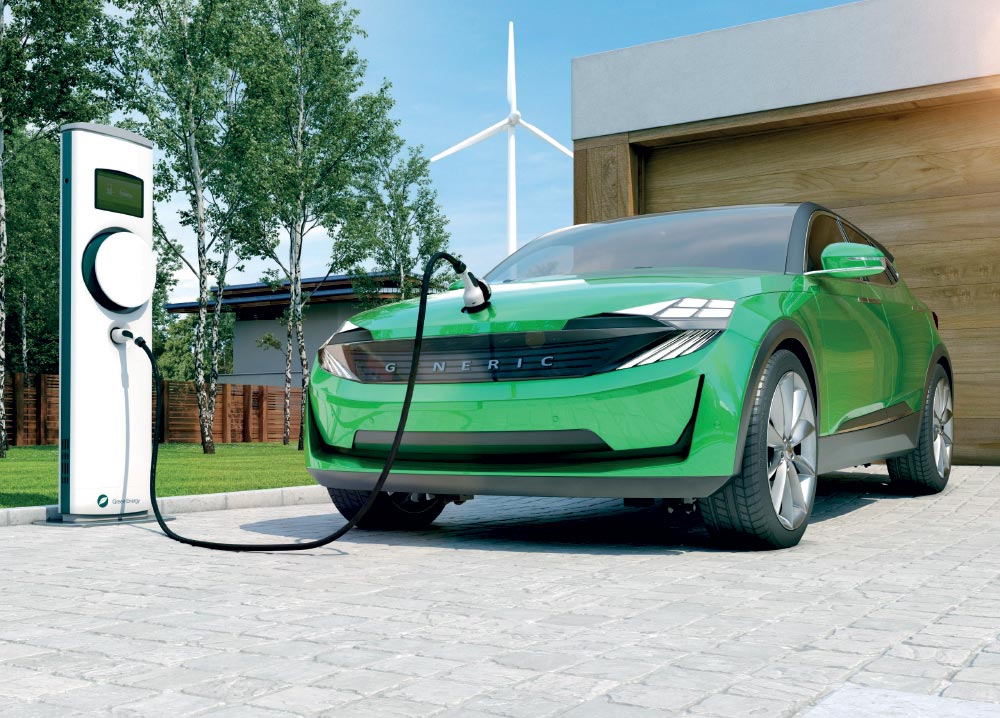
The automotive industry across South Asia is experiencing one of the biggest transformations in its history as electric vehicles (EVs) become increasingly popular among consumers, governments, and businesses. Countries such as Sri Lanka, India, Bangladesh, and Pakistan are now exploring sustainable transportation solutions to reduce fuel imports, lower carbon emissions, and modernize urban mobility systems. The rise of electric vehicles represents not only a technological shift but also an economic and environmental opportunity for the region.
One of the primary reasons behind the growing demand for electric vehicles is the increasing cost of fossil fuels. Consumers are becoming more conscious about fuel expenses, especially in developing economies where fluctuations in global oil prices directly affect transportation costs. Electric vehicles provide a practical alternative because they significantly reduce running costs compared to conventional petrol and diesel vehicles. Charging an EV is generally cheaper than refueling a traditional vehicle, and maintenance costs are also lower due to fewer moving mechanical parts.
Governments in South Asia are also taking active measures to encourage EV adoption. Tax incentives, import duty reductions, and investment in charging infrastructure are becoming common strategies. In Sri Lanka, discussions about green mobility have intensified as policymakers seek ways to reduce dependency on imported fuel. India has already introduced several incentive schemes to encourage local manufacturing of EVs and batteries. These initiatives are helping automotive companies invest more confidently in electric mobility solutions.
Another factor driving the EV market is technological advancement. Battery technology has improved significantly over the last decade. Modern electric vehicles can travel longer distances on a single charge while charging times continue to decrease. Many global automotive manufacturers are investing billions of dollars into battery innovation, which is gradually making EVs more affordable for middle-income consumers.
The expansion of charging infrastructure remains a critical requirement for widespread EV adoption. Consumers often hesitate to purchase electric vehicles due to concerns about charging availability and driving range. To address this issue, governments and private companies are establishing charging stations in urban centers, highways, shopping malls, and office complexes. As infrastructure improves, consumer confidence in EV technology is expected to increase substantially.
The commercial transportation sector is also embracing electric mobility. Ride-hailing companies, logistics providers, and public transport operators are testing electric buses, vans, and delivery vehicles. Businesses recognize that electric fleets can reduce operational costs while supporting sustainability goals. Electric buses in particular can help reduce urban air pollution, which remains a major challenge in densely populated cities across South Asia.
Automotive manufacturers are adapting their strategies to align with changing market conditions. Traditional car companies are introducing hybrid and fully electric models to compete with emerging EV-focused brands. This competition is encouraging innovation, improving product quality, and expanding choices for consumers.
However, challenges remain. Battery disposal and recycling systems need proper regulation to avoid environmental risks. Electricity generation in some countries still depends heavily on fossil fuels, meaning the environmental benefits of EVs depend on broader energy sector reforms. Affordability is another concern, as many consumers still consider EVs expensive despite long-term savings.
The automotive supply chain is also changing rapidly due to electrification. Manufacturers now require specialized components such as lithium-ion batteries, electric motors, and advanced software systems. This creates opportunities for local industries to participate in new manufacturing ecosystems. Countries that invest early in EV-related industries could benefit from job creation and export opportunities.
Consumer attitudes are evolving as well. Younger generations are more environmentally conscious and open to adopting sustainable technologies. Digital connectivity features, smart driving systems, and modern vehicle designs are making electric vehicles attractive beyond environmental reasons alone.
Financial institutions are also entering the market by offering green financing options for EV purchases. Banks and leasing companies increasingly recognize the long-term potential of electric mobility. Easier financing solutions may accelerate adoption rates in the coming years.
The transition to electric mobility is unlikely to happen overnight, but the momentum is undeniable. Hybrid systems, plug-in technologies, and alternative fuel solutions may coexist during the transition period. Nevertheless, the long-term direction of the automotive industry clearly points toward electrification.
For South Asia, the growth of electric vehicles represents more than a transportation trend. It offers an opportunity to reduce environmental impact, strengthen energy security, attract foreign investment, and modernize urban infrastructure. Governments, businesses, and consumers must work together to ensure a smooth and sustainable transition.
The future of mobility is changing rapidly, and electric vehicles are becoming central to that transformation. As technology advances and costs continue to decline, electric mobility may soon become a mainstream reality across the region. The automotive industry stands at the beginning of a new era, and the decisions made today will shape transportation systems for decades to come.




