Saturday Oct 17, 2026
Saturday Oct 17, 2026
Thursday, 9 July 2026 03:31 - - {{hitsCtrl.values.hits}}
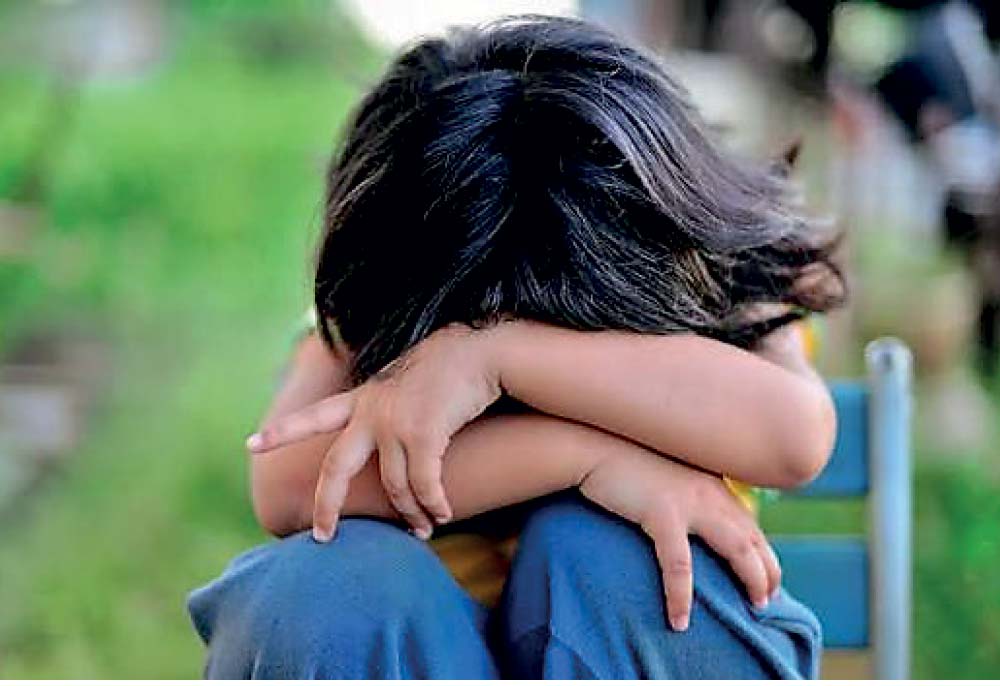
 Child sexual abuse offenders are those who act on it. In legal and law enforcement contexts, people who commit these crimes are often referred to as child sexual offenders or abusers. Their behavior is defined by actions, exploitation, manipulation, and violation of a child’s boundaries, regardless of labels
Silence is one of the main reasons abuse continues unchecked. Many children do not speak up because they fear punishment, disbelief, or blame. Others may be manipulated into believing they are responsible, or that no one will understand them. This silence can allow abuse to continue for extended periods, increasing the emotional and psychological damage. Creating safe, non-judgmental spaces for disclosure is therefore essential
Preventing child sexual abuse requires more than reaction it requires education and communication. Children who are taught about personal boundaries, safe and unsafe behavior, and the right to say no are better prepared to recognise inappropriate actions
 Child sexual abuse remains one of the most hidden and harmful crimes affecting communities across the world. It often happens not in isolated, obvious situations, but in familiar environments where children are expected to feel safe in schools, neighborhoods, online spaces, and even within extended family networks. Experts define child sexual abuse as any sexual act imposed on a child who cannot fully understand, consent to or protect themselves from exploitation. The harm is not always physical. In many cases, it is psychological, emotional and deeply long-lasting.
Who are the offenders? Understanding the term “Pedophile”
In psychology, a “pedophile” refers to an individual who has a persistent sexual attraction to prepubescent children. However, professionals emphasise an important distinction, not everyone with such harmful attractions commits abuse, but child sexual abuse offenders are those who act on it. In legal and law enforcement contexts, people who commit these crimes are often referred to as child sexual offenders or abusers. Their behavior is defined by actions, exploitation, manipulation, and violation of a child’s boundaries, regardless of labels. In past decades, concerns around child safety were largely tied to physical proximity and familiar surroundings. Today the world has changed. With widespread access to social media, messaging apps and online platforms, children are more connected than ever before but also more exposed to risks that are harder to see and control. Authorities stress that abuse is rarely random. It is often intentional, calculated, and based on exploiting trust and vulnerability.
How abuse typically develops, the role of grooming
Rather than using immediate force, many offenders rely on a gradual process known as grooming. This is a pattern of behavior designed to build trust with a child and often with their family over time. It may begin with attention, kindness or emotional support that seems harmless. The offender may position themselves as a trusted figure, someone who listens, helps, or gives special treatment. Slowly, boundaries are tested. Secrecy may be introduced, making the child feel that certain interactions should not be shared with others.
What makes grooming so dangerous is its subtleness. From the outside, nothing may appear wrong, while the child is being gradually manipulated into confusion, dependency, or silence. Children rarely disclose abuse immediately. Fear, confusion, shame, or emotional manipulation often delay disclosure. Instead, warning signs may appear through behavior changes. These can include withdrawal from friends or family, sudden anxiety, unexplained fear of certain individuals or places, aggression, or changes in school performance. Some younger children may also show regression in behavior. While none of these signs confirm abuse on their own, they become significant when they appear in combination or alongside concerning circumstances.
Silence is one of the main reasons abuse continues unchecked. Many children do not speak up because they fear punishment, disbelief, or blame. Others may be manipulated into believing they are responsible, or that no one will understand them. This silence can allow abuse to continue for extended periods, increasing the emotional and psychological damage. Creating safe, non-judgmental spaces for disclosure is therefore essential. When a child speaks, how adults respond can determine whether healing begins or whether silence continues.
Prevention starts with awareness
Preventing child sexual abuse requires more than reaction it requires education and communication. Children who are taught about personal boundaries, safe and unsafe behavior, and the right to say no are better prepared to recognise inappropriate actions. Equally important is open communication. Children need environments where they can talk about their experiences without fear. In today’s digital world, this also includes online safety. Many forms of exploitation now begin through messaging apps, games, and social media platforms, making awareness and supervision more important than ever. Child protection is not the responsibility of one institution alone. Families, schools, healthcare professionals, and law enforcement all play a role in identifying risk and responding early. Reporting concerns, even uncertain ones can be critical in preventing further harm. Strong legal systems are necessary, but they must be supported by informed communities willing to act. The impact of child sexual abuse can last well into adulthood, affecting mental health, relationships, and emotional stability. However, early intervention and support can significantly reduce long-term harm. Ending this cycle depends on awareness, courage, and responsibility: recognising warning signs, believing disclosures, and refusing to ignore concerns that could protect a child. Protecting children is not only a legal duty it is a collective responsibility rooted in awareness, vigilance, and action.
(The author holds MSc Clinical and Health Psychology (UK), BSc Psychology (MY), Adv Dip Psychology, CBT, Dip Child and Adolescent Psychology UK. She could be reached via email [email protected])




