Sunday Aug 30, 2026
Sunday Aug 30, 2026
Saturday, 13 September 2025 00:00 - - {{hitsCtrl.values.hits}}
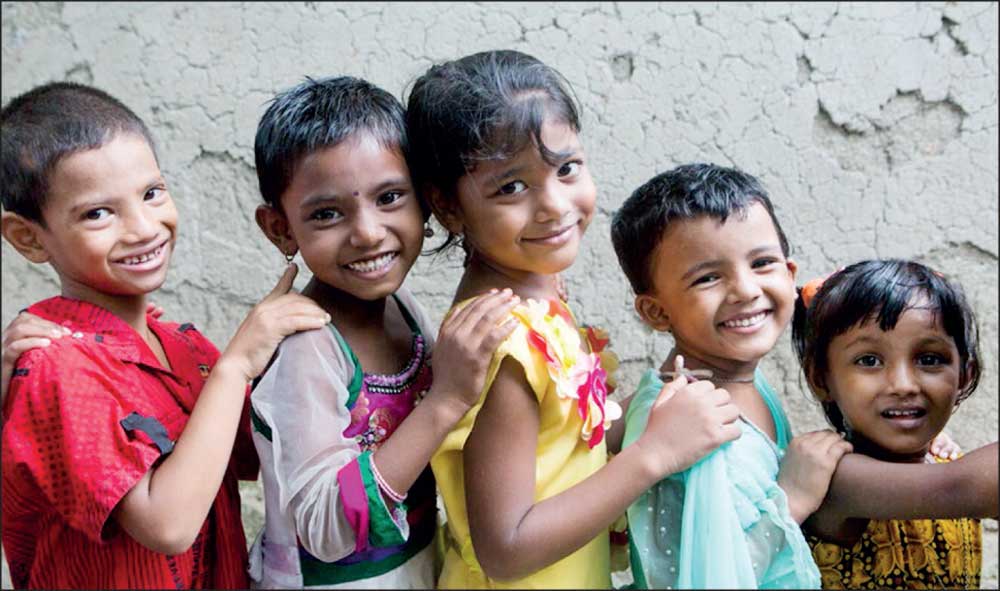
Governments must continue investing in children’s nutrition, allowing every child in the region to grow up healthy and strong
Every child has the right to eat well so that he or she can grow up healthy in body and mind. When children get the right nutrition, they are full of energy and better able to learn, play, and chase their dreams. Leadership all over South Asia must prioritise collective action to overcome the triple burden of malnutrition so that, together, we can raise a generation of productive, thriving children who can build a strong and prosperous region. No company should profit at the cost of children’s health. Governments must put stronger protections in place so that children grow up surrounded by healthy food choices, not junk food marketing – UNICEF Regional Director for South Asia Sanjay Wijesekera
Children across South Asia face an escalating nutrition crisis, with millions suffering from undernourishment, anaemia and obesity. UNICEF warns that unless urgent action is taken, the futures of millions of children will be at risk.
UNICEF’s new report ‘Feeding Profit: How Food Environments are Failing Children’ finds that the number of children aged 5–19 living with overweight has increased fivefold to 70 million in South Asia since 2000. Every country in the region is affected. Obesity among children has more than doubled in the same period, while undernutrition and anaemia remain stubbornly high.
In addition to rising obesity, South Asia continues to carry the largest burden of undernutrition (low birth weight, stunting and wasting) in the world. 1 in 3 children under five years old are stunted; 1 in 10 children under five years old suffer from wasting; and 1 in 4 are born with low birth weight. Likewise, South Asia carries the largest anaemia burden globally, affecting almost half of women and adolescent girls in the region.
UNICEF Regional Director for South Asia Sanjay Wijesekera said, “Every child has the right to eat well so that he or she can grow up healthy in body and mind. When children get the right nutrition, they are full of energy and better able to learn, play, and chase their dreams. Leadership all over South Asia must prioritise collective action to overcome the triple burden of malnutrition so that, together, we can raise a generation of productive, thriving children who can build a strong and prosperous region.”
The report also finds that children are growing up in food environments that often fail to meet their needs. A 2023 UNICEF survey of more than 7,500 adolescents across five South Asian countries found that although some schools offer freshly cooked meals, foods like packaged snacks, sugary drinks, and fast food are common. Nearly half of the adolescents reported seeing food brands or logos at their schools, and over half said advertising influenced their choices. Wide distribution networks and long shelf lives have enabled these products to reach the most remote areas with ease. The report calls on governments to ensure that nutritious, affordable food is accessible to all families and to ban the promotion and marketing of unhealthy foods within a 5-kilometre radius of schools.
“No company should profit at the cost of children’s health. Governments must put stronger protections in place so that children grow up surrounded by healthy food choices, not junk food marketing,” said Wijesekera.
Despite the challenges, there is some good news. South Asia has a history of successfully tackling undernutrition and anaemia through nationwide programs that can serve as a foundation for fighting the triple threat.
nIn Afghanistan, 2.5 million adolescent girls now receive iron and folic acid supplements and counselling in their homes.
nIn Bangladesh, pregnant women receive dietary counselling and multiple micronutrient supplements through health facilities and community clinics.
nBhutan has halved child stunting, thanks to its investments in the “Golden 1,000 Days” initiative for mothers and newborns.
nIndia has capped industrial trans-fats and promoted “Eat Right” schools.
nIn Nepal, a comprehensive program has reduced anaemia among women of reproductive age by 7% in just six years, including among the poorest households.
Despite progress, malnutrition still deprives millions of children in South Asia of their potential and leads to trillions of dollars in lost opportunities for countries. To improve food environments and guarantee children’s right to nutritious diets, UNICEF is calling on South Asian governments to:
The strides made in South Asia prove that collective efforts can eliminate this triple malnutrition burden. Governments must continue investing in children’s nutrition, allowing every child in the region to grow up healthy and strong.




