Thursday Mar 12, 2026
Thursday Mar 12, 2026
Tuesday, 3 March 2026 04:50 - - {{hitsCtrl.values.hits}}
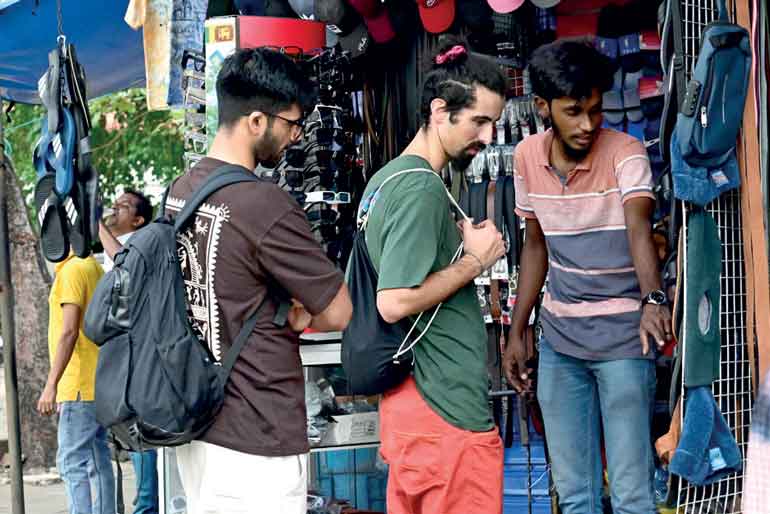
 Walking through Pettah market in Colombo, I noticed something both obvious and troubling. Shop after shop sells bags, shoes, electronics, even sarees, and yet all shops are owned and run by men. Even businesses catering exclusively to women, like jewellery stores and bridal boutiques, have men behind the counter. This is not just my observation but it is a reality where most Sri Lankans have observed as normal. What makes this observation more important is when we examine the demographics where women population constitute approximately 52% of Sri Lanka›s population, but their representation as business owners remains significantly low.
According to the Global Entrepreneurship Monitor 2023 report, Sri Lanka›s Total Early Stage Entrepreneurial Activity rate for women is just 8.2%, compared to 14.7% for men.
Despite being the majority, women are clearly underrepresented in the entrepreneurial aspect. This mismatch between population size and economic participation creates a question that why aren›t more women starting ventures? The answer is not about capability or intelligence. Rather, it is deeply in social and cultural barriers that have been shaping women›s mindsets for generations. From childhood, many Sri Lankan girls are raised to believe that their primary role is as homemakers.
In families, schools, and even universities, the message has been the same or slightly different, woman›s success is measured by how well she manages a household, not by her ability to generate income or lead a business. Financial independence is rarely taught as essential for women the way it has been for men. Over time, this messaging gets internalised. Many women grew up without ever being encouraged to think seriously about ownership, leadership, or earning their own money. These cultural influences eventually manifest as psychological barriers as well.
Years of conditioning have led many skilled women to develop what researchers call «imposter syndrome”, a persistent fear of failure and feel that they don›t deserve success kind of feeling. Even when they have the right skills and resources, self-doubt holds them back. They question whether they can run a business independently or not. Whether they will be taken seriously, whether they are making the right choice. This does not mean that women should leave their families or reject traditional roles. But lack of thinking in a confident way and making bold decisions has real consequences. Many talented women either never start a business or limit themselves to small, informal ventures that barely survive.
This is not about men versus women. It›s about the economic cost of underutilisation of 52% of the population. If our country is genuinely serious about sustainable growth. We must build an inclusive entrepreneurial ecosystem through confidence building programs, better finance access to women, and a long term societal mindset shift. Until a young girl walking through Pettah can see herself as a future shop owner rather than just a customer, we will continue to waste our country›s greatest untapped resource.
(The author is a student at the Department of Entrepreneurship, University of Sri Jayewardenepura)




