Friday Mar 13, 2026
Friday Mar 13, 2026
Wednesday, 7 January 2026 04:07 - - {{hitsCtrl.values.hits}}
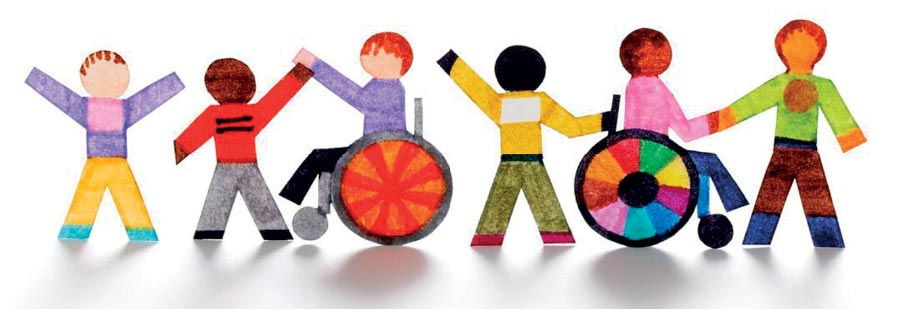
 Children with special needs thrive best when they are understood, supported, and loved unconditionally
 Every child brings a unique rhythm to the world, but when a child has a disability or special needs, that rhythm may look different from what others expect. As a parent, caregiver, or teacher, it can feel overwhelming at times, filled with uncertainty, worry, and even guilt. But the most important truth is simple, children with special needs thrive best when they are understood, supported, and loved unconditionally.
The first step in supporting a child with a disability is to see them as a whole person, not defined solely by their challenges. Their abilities, interests, and personality exist alongside their needs, and celebrating these strengths is crucial. Encouragement and positive reinforcement build confidence and help children develop a sense of self-worth, which is especially important when they face societal misunderstandings or limitations imposed by their environment.
Patience is essential. Progress may not look linear, and milestones that come easily to other children may take longer to reach. It can be frustrating, but it is also an opportunity to practice empathy, understanding, and flexibility. Small achievements, no matter how minor they seem, are victories that deserve recognition. Over time, consistent support and patience lay the foundation for resilience and independence.
Communication is another key element. For some children, expressing needs or feelings may require alternative strategies, such as sign language, picture boards, or assistive technology. Listening carefully, observing nonverbal cues, and validating emotions help children feel heard and understood. Encouraging open communication also reduces frustration and builds trust between the child and their caregivers.
Collaboration is vital. Parents, teachers, therapists, and specialists each play a role in creating an environment where a child can flourish. Sharing insights, strategies, and observations ensures consistency, which in turn strengthens the child’s learning and adaptation. While seeking expert guidance is important, trusting your instincts and observing what works for your child is equally powerful.
A child’s disability may change the way they experience the world, but it does not define their potential
Equally important is fostering social inclusion. Children with disabilities often face isolation or misunderstanding from peers. Encouraging friendships, inclusive play, and opportunities to participate in group activities helps children develop social skills and a sense of belonging. It also teaches empathy and respect to the children around them, creating a more compassionate environment for everyone.
Caregivers must also care for themselves. Supporting a child with special needs can be emotionally and physically demanding. Regular self-care, seeking support from other parents, and connecting with professionals are not indulgences—they are necessities that allow caregivers to show up with patience, clarity, and love. A supported caregiver is better able to support the child.
Finally, it is important to focus on possibilities rather than limitations. A child’s disability may change the way they experience the world, but it does not define their potential. By providing understanding, encouragement, and consistent support, caregivers help children with special needs explore their talents, build confidence, and discover joy in life. Every child, no matter their abilities, deserves the chance to flourish in their own unique way.
Walking alongside a child with special needs is a journey filled with challenges, discoveries, and profound moments of connection. By embracing patience, celebrating strengths, fostering communication, and cultivating empathy, caregivers create a space where children can grow, learn, and thrive—not in spite of their differences, but because of them. The journey may not be easy, but it is deeply rewarding, and it teaches everyone involved the true meaning of resilience, love, and human potential.
(The writer holds an MSc Clinical and Health Psychology (UK), a BSc in Psychology (MY), an Advanced Diploma in Psychology, CBT certification, and a Diploma in Child and Adolescent Psychology (UK).)




