Sunday Sep 20, 2026
Sunday Sep 20, 2026
Wednesday, 22 July 2026 05:21 - - {{hitsCtrl.values.hits}}
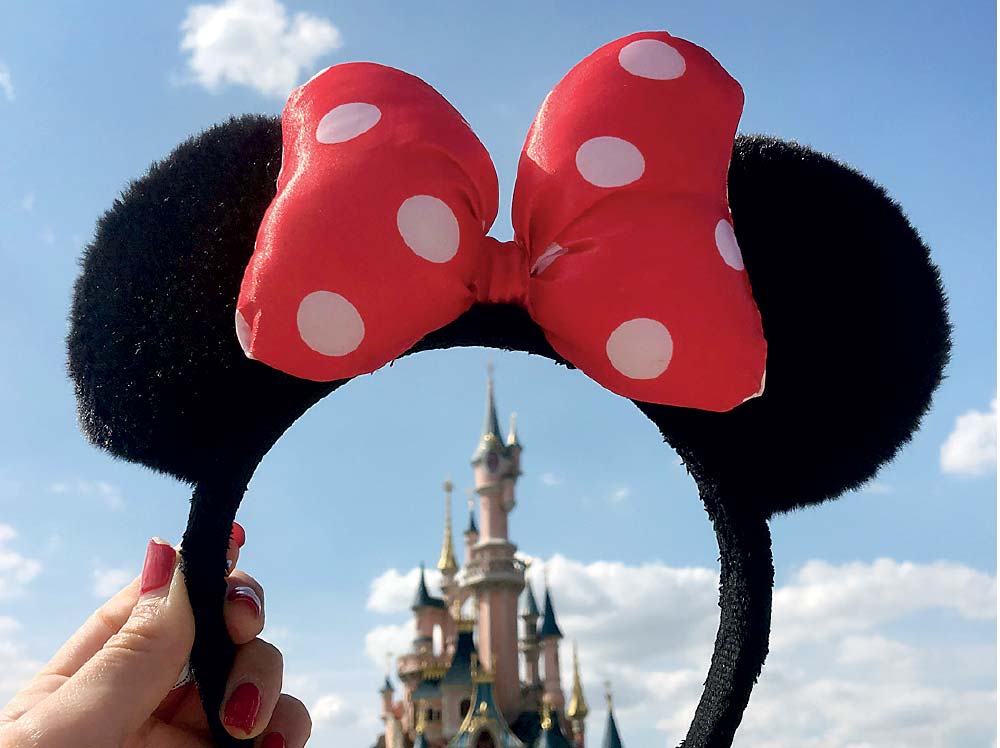
Disneyland Paris
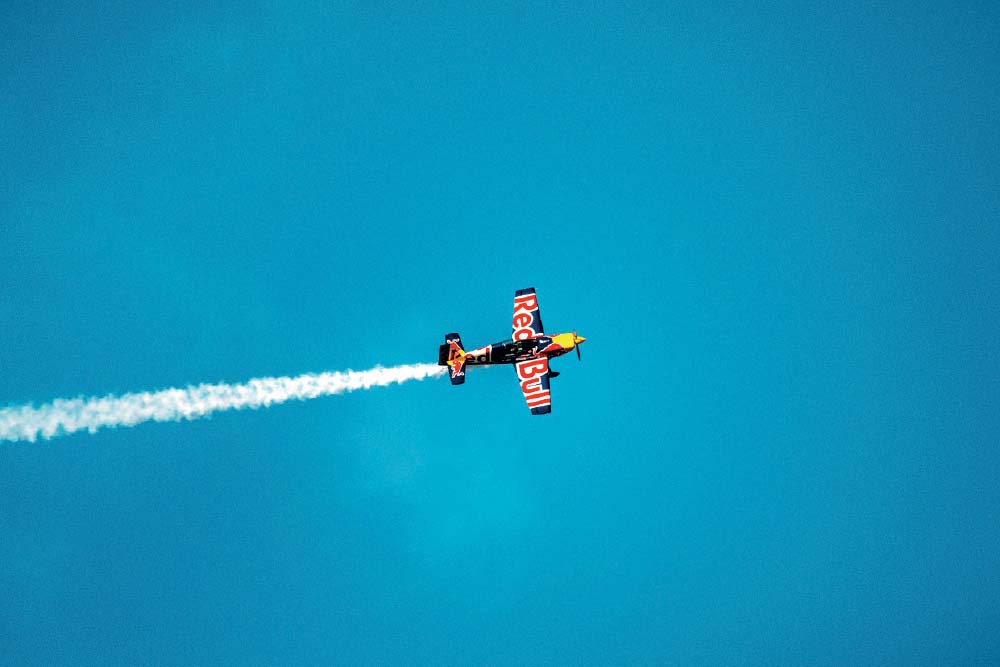
Redbull sponsorships
 Sri Lanka has never lacked creativity. What it has often lacked is the confidence to think bigger about the role brands can play in culture. The next generation of successful marketing campaigns will not be built around the biggest media buy or the most prominent logo. They will be built around experiences that people actively choose to be part of
 I have yet to sit in a sponsorship meeting where someone has said, "Forget the logo, banners and flags. Tell me how we're going to make people feel."
Instead, the conversation almost always follows the same predictable script. How many people will attend? Where will our branding appear? How much media coverage can we expect? How many VIP tickets are included?
By the end of the meeting, everyone knows how many banners will be printed, yet nobody has asked what is arguably the only question consumers actually care about.
Will this be an experience worth remembering?
Having spent more than twenty years producing television, destination campaigns, food festivals and live events, I have watched sponsorship evolve very little, while consumer behaviour has evolved dramatically. Marketing departments continue to measure reach, impressions and visibility, yet today's consumers have become remarkably adept at filtering traditional advertising. They skip commercials, scroll past sponsored posts, install ad blockers and increasingly distrust overt brand messaging.
Yet those same consumers will happily spend hours at a music festival, queue to enter an immersive brand activation, photograph a beautifully designed installation, beg for branded merchandise or travel across the country for an experience that feels authentic and memorable.
The problem is not that people have stopped engaging with brands. The problem is that many brands are still trying to engage consumers in ways that no longer reflect how people choose to spend their attention.
|
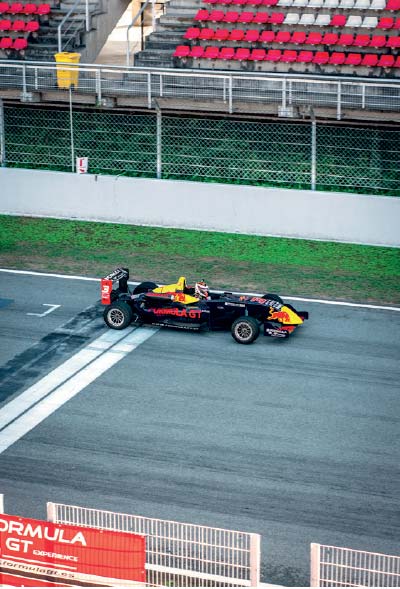
Redbull racing |
|
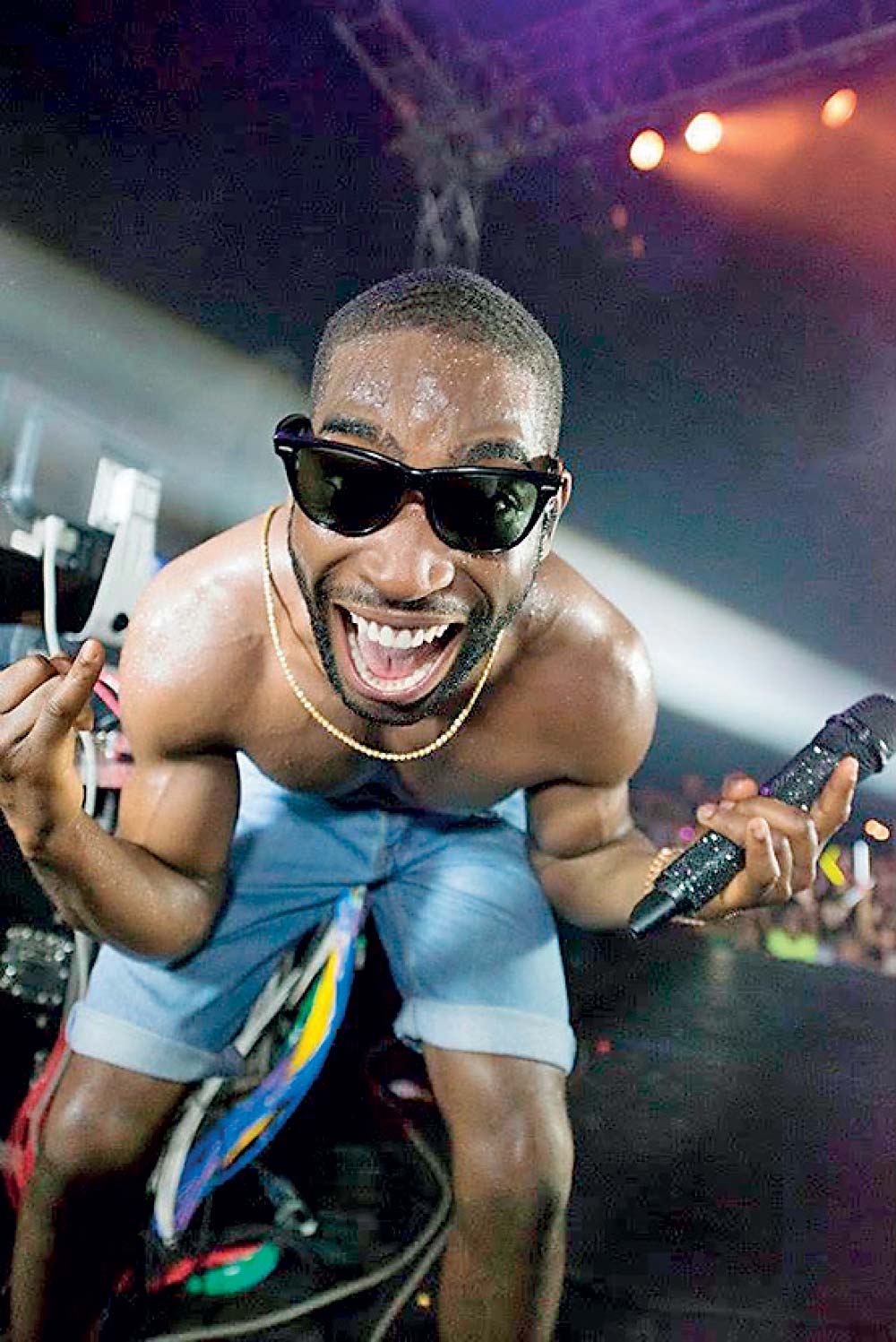
Headline artist Tinie Tempah
|
The marketing world has moved on
This isn't simply an opinion; the data confirms it.
According to the latest State of Events 2026 research, more than 97% of event professionals now regard in-person experiences as an important part of their marketing strategy, while virtual events continue to decline in relevance. Even more significantly, 95% believe experiential elements are now essential to delivering successful events.
Those figures tell us something profound. Experience is no longer an enhancement. It has become an expectation.
Around the world, marketing has shifted from interrupting consumers to inviting them to participate. The brands winning today are not simply buying media; they are creating moments that people actively choose to spend time with.
Sri Lanka has not fully embraced that shift.
Many sponsorships still prioritise visibility over participation. Budgets are allocated to logo placement, stage branding, hospitality and media exposure, while the consumer experience itself often receives comparatively little investment. That approach may deliver awareness, but awareness alone rarely creates affinity.
Consumers rarely remember the biggest logo. They remember how a brand made them feel.
The lesson I learnt from building events
This is something I learnt the hard way.
When producing the Electric Peacock Festival, we worked with relatively modest sponsorship budgets. Like many event organisers, we wanted to create memorable brand experiences but often had limited resources to do so.
At the Ceylon Tea Festival, we invited chefs to cook with Ceylon Tea, encouraging visitors to discover the ingredient in an unexpected and engaging way rather than simply offering another product sample. It was a small activation, but it demonstrated the power of experience over exposure.
It also taught me something else. The limitation was never creativity. The limitation was timing. Too often, brands entered the conversation after the event had already been designed. Sponsorship became a commercial transaction rather than a creative collaboration.
Imagine instead if brand managers, event producers, architects, set designers, chefs, storytellers and content creators were around the table from day one.
Imagine if the discussion wasn't, "Where should the logo go?" Imagine if it was, "What unforgettable experience could only our brand create?"
That single shift in thinking would transform sponsorship from a marketing expense into a strategic brand investment.
Set design isn't decoration. It's marketing
One of the most underestimated tools in modern marketing is set design.
Too often it is viewed as decoration or production dressing—something that makes an event look attractive in photographs.
In reality, it is one of the most powerful forms of brand communication.
Every entrance, every lighting cue, every material, every soundscape, every scent and every interaction influences how consumers feel. Before a single word is spoken, the environment has already begun telling a story about the brand behind it.
Apple's retail stores are not simply places to buy products; they are carefully choreographed spaces designed to communicate simplicity, innovation and aspiration. Disney has built an empire by engineering emotional experiences through every detail of its physical environments. Nike's flagship stores encourage participation, movement and community long before a purchase is made.
These companies understand a simple truth. People remember emotion before they remember messaging.
Global brands are creating culture, not campaigns
Red Bull remains one of the strongest examples of experiential marketing done well.
Rather than relying solely on conventional advertising, it has consistently invested in experiences that embody its brand philosophy. From Flugtag and the Cliff Diving World Series to Felix Baumgartner's record-breaking space jump—which attracted more than eight million live viewers online—Red Bull has repeatedly demonstrated that creating cultural moments generates exponentially greater engagement than interrupting audiences with advertising.
Spotify has adopted a similar philosophy. What began as Spotify Wrapped evolved into immersive physical experiences, creator collaborations and live activations that transformed a digital campaign into a shared cultural event.
Neither company simply sponsored experiences. They designed experiences that people wanted to become part of. That distinction matters.
Generation Z no longer separates entertainment, community and marketing in the way previous generations did. The brands they admire contribute to culture. They create moments worth attending, photographing and sharing.
Traditional advertising interrupts attention. Experiences earn it.
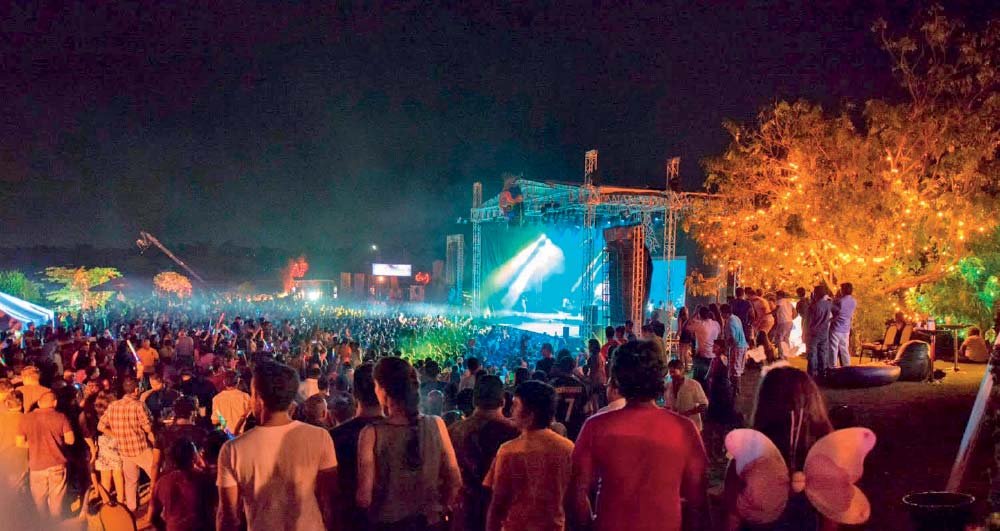
Electric peacock festival crowds
Spend smarter, not simply more
The financial reality facing the events industry tells an equally important story.
Almost 70% of event planners say their budgets have remained unchanged year on year, while 61% identify budget constraints as their greatest challenge. Yet those same planners are expected to deliver richer experiences, greater personalisation and clearer returns on investment than ever before.
The lesson for brands is obvious. This isn't about spending more money. It's about spending existing budgets differently.
Imagine if even a small proportion of what is currently allocated to signage, branding and hospitality was redirected towards collaborative experience design, immersive environments, creative storytelling and meaningful activations.
The commercial return would almost certainly be greater than another oversized logo on a stage backdrop.
That evolution is already being reflected in how events are measured. While 83% of organisers still track attendance, 82% now place equal importance on attendee feedback, recognising that the quality of an experience matters just as much as the size of an audience.
From visibility to memorability
That requires every marketing team in Sri Lanka to ask a different question. Not, "Which event should we sponsor?" But rather, "What experience could only our brand create?" Because that is where genuine differentiation lies.
Sri Lanka has never lacked creativity. What it has often lacked is the confidence to think bigger about the role brands can play in culture.
The next generation of successful marketing campaigns will not be built around the biggest media buy or the most prominent logo. They will be built around experiences that people actively choose to be part of.
As marketers, we have spent decades asking how we can get consumers to notice our brands. Perhaps it is time we asked a far more important question. How can we create something they will never forget?