Friday Oct 23, 2026
Friday Oct 23, 2026
Friday, 23 October 2026 03:52 - - {{hitsCtrl.values.hits}}
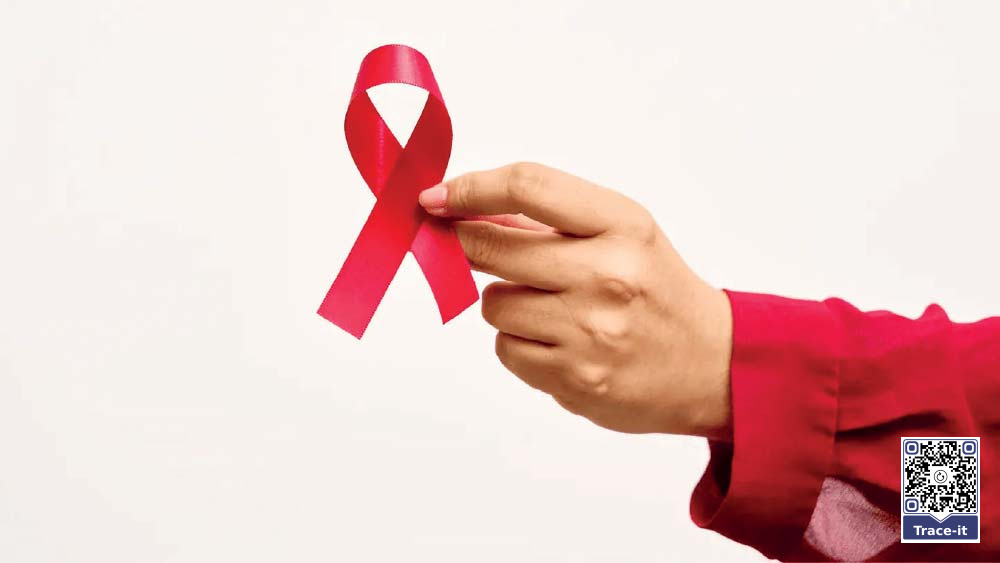
 The recent increase in HIV diagnoses should serve as a call to action rather than a cause for alarm. Sri Lanka should strengthen comprehensive, evidence-based sexual-health education. HIV testing should become increasingly accessible and normalised. Sri Lanka should expand awareness and access to modern prevention tools such as pre-exposure prophylaxis (PrEP), while continuing to promote condom use and educating the public about both the benefits and limitations of available prevention strategies. We must invest more in surveillance, epidemiological research, and data transparency. Sri Lanka should adopt a broader strategy for sexually transmitted viral diseases. We must confront stigma directly. The public-health response to HIV should be guided by science, compassion, dignity, and evidence rather than fear, misinformation, or discrimination
 Sri Lanka’s HIV story has long been considered one of the country’s quiet public health successes. While many nations in Asia struggled with substantial HIV epidemics over the past four decades, Sri Lanka maintained one of the lowest HIV prevalence rates in the region through effective public-health programs, blood-safety initiatives, disease surveillance, and access to healthcare. Yet recent surveillance data suggest that this success should not be taken for granted. According to the National STD/AIDS Control Program, Sri Lanka recorded 860 new HIV diagnoses over the past year, the highest annual number reported since HIV was first identified in the country in 1987. This represents an increase over the 824 cases officially reported during the 2024 calendar year and continues a concerning upward trend observed in recent years. Although Sri Lanka remains a low-prevalence country, the increasing number of new diagnoses contrasts with the declining or stabilising trends reported in several Asian countries. The upward trajectory has prompted renewed discussion among healthcare professionals, policymakers, and the public regarding the future course of HIV in Sri Lanka.
Importantly, these developments must be viewed within a broader Asian context. Despite the recent increase in reported infections, Sri Lanka remains one of the lowest-prevalence HIV countries in Asia, with adult HIV prevalence remaining below 0.1%. By comparison, HIV prevalence is estimated at approximately 1.0% in Thailand, 0.9% in Myanmar, 0.5% in Cambodia, 0.4% in Indonesia, Laos, and Vietnam, and about 0.3% in Malaysia and the Philippines. India, despite substantial progress in HIV prevention and treatment over the past two decades, continues to carry one of the world’s largest HIV burdens because of its large population. These comparisons underscore an important point: Sri Lanka’s low HIV prevalence remains a major public-health success. However, maintaining a low prevalence is not the same as ensuring a low future risk. The steady rise in newly diagnosed infections suggests that transmission may be increasing within specific populations and social networks, creating a narrow but important window of opportunity for prevention and early intervention.
As a virologist who has spent much of my career studying emerging and re-emerging viral diseases, I view the current situation not as a reason for panic but as an important public-health warning. HIV epidemics often emerge gradually, spreading silently through social and sexual networks long before their full impact becomes visible. History has repeatedly shown that early action is far more effective, humane, and cost-effective than attempting to control an established epidemic.
From a mysterious disease to a global pandemic
The story of HIV represents one of the most consequential chapters in modern medical history. In 1981, physicians in the United States began reporting unusual clusters of opportunistic infections and cancers among previously healthy young adults. Within a few years, scientists identified the cause: the Human Immunodeficiency Virus (HIV), a retrovirus that attacks critical cells of the immune system and, if untreated, leads to Acquired Immunodeficiency Syndrome (AIDS). Research subsequently demonstrated that HIV originated through zoonotic transmission from non-human primates. HIV-1, responsible for the vast majority of infections globally, arose from chimpanzees, while HIV-2 emerged independently from sooty mangabeys. These discoveries transformed our understanding of infectious-disease emergence and highlighted the importance of the human-animal interface in the evolution of emerging pathogens.
During the 1980s and early 1990s, an HIV diagnosis was widely regarded as a death sentence. Millions died from AIDS-related illnesses, healthcare systems were overwhelmed, and fear and stigma often spread faster than scientific knowledge. Yet HIV has also become one of the greatest scientific success stories of modern medicine.
Advances in virology, immunology, molecular biology, diagnostics, screening, and drug development produced highly effective antiretroviral therapy (ART). Individuals diagnosed early and maintained on treatment can now often expect near-normal life expectancy. One of the most important breakthroughs has been the demonstration that individuals who achieve sustained viral suppression through treatment effectively eliminate the risk of sexual transmission, a principle known as “Undetectable = Untransmittable” (U=U).
Nevertheless, HIV remains a story of both scientific success and unfinished work. Treatment has transformed outcomes, but HIV remains incurable. Current therapies suppress the virus but do not eliminate it, requiring lifelong treatment and sustained healthcare support.
Equally important is the reality that there is still no licensed preventive HIV vaccine. Despite decades of intensive global research and several promising clinical trials, HIV has proven exceptionally difficult to target because of its rapid mutation rate, extraordinary genetic diversity, integration into host cells, and sophisticated mechanisms of immune evasion.
Four decades after the discovery of HIV, we have excellent treatment but still no cure and no effective vaccine. Unlike many infectious diseases that can be controlled primarily through vaccination, HIV prevention continues to depend heavily on education, behavioral interventions, early diagnosis, sustained access to treatment, and effective public-health programs. Prevention therefore remains the cornerstone of HIV control.
The lessons of the global HIV pandemic are clear. Scientific advances can dramatically reduce the impact of disease, but they do not eliminate the need for prevention. Understanding the successes and failures of the global HIV response is essential if Sri Lanka is to prevent today’s warning signs from becoming tomorrow’s public-health challenge.
HIV in Asia: Lessons from two decades of change
The HIV epidemic in Asia today is very different from the epidemic that existed two decades ago. Across much of South and Southeast Asia, sustained investments in prevention, testing, treatment, surveillance, and public education have dramatically reduced HIV transmission and AIDS-related deaths. Countries that once faced major HIV epidemics have demonstrated that science, public health, and political commitment can alter the trajectory of disease.
India, Thailand, and Cambodia provide some of the region’s most notable success stories. Through targeted prevention programs, expanded access to testing and treatment, and long-term national commitment, these countries have substantially reduced new HIV infections over the past two decades. Vietnam and Malaysia have largely stabilised their epidemics through expanded treatment, harm-reduction programs, and focused public-health interventions. Singapore has maintained a relatively low-prevalence epidemic supported by strong disease surveillance and healthcare infrastructure.
Not all trends in Asia have been encouraging. The Philippines has experienced one of the fastest-growing HIV epidemics in the Asia-Pacific region during the last decade, particularly among younger populations and key risk groups. Recent regional analyses have also identified countries, including Sri Lanka, where HIV transmission appears to be increasing after years of relative stability.
The lesson is clear. Countries that invested in prevention, surveillance, public education, and early treatment generally experienced declining or stable HIV epidemics. Countries that delayed action often saw transmission increase. Sri Lanka remains in a favorable position because overall HIV prevalence remains low. However, the recent increase in diagnoses suggests that the country may be approaching an important crossroads. The experiences of neighboring countries demonstrate that the future trajectory is not predetermined and that timely action can make a profound difference.
HIV in Sri Lanka: A public health success story facing new challenges
Sri Lanka’s experience with HIV differs substantially from that of many other countries. Since the first HIV case was reported in 1987, the country has maintained one of the lowest HIV prevalence rates in Asia. This achievement reflects the dedication of healthcare workers, laboratory networks, sexually transmitted disease clinics, public-health professionals, and disease-control programs.
The country’s success was built on strong surveillance systems, blood-donor screening, public-awareness initiatives, and access to testing and treatment services. Unlike countries that faced widespread community transmission before effective interventions were implemented, Sri Lanka largely succeeded in keeping HIV prevalence low.
Sri Lanka’s challenge today is not recovering from a failed response but preserving a successful one. The rising number of new diagnoses suggests that transmission dynamics may be changing. While prevalence remains low, the trend warrants serious attention and proactive intervention.
The knowledge gaps we can no longer ignore
One lesson public-health crises repeatedly teach is that effective action depends on good data. While Sri Lanka has maintained a successful HIV control program for decades, important knowledge gaps remain in our understanding of the epidemic.
Compared with diseases such as dengue, influenza, and COVID-19, publicly available information on HIV epidemiology remains relatively limited. Detailed analyses of geographic distribution, transmission networks, behavioral risk factors, demographic trends, and long-term epidemiological patterns are less visible both in the scientific literature and the public domain.
Important questions also remain regarding HIV prevalence among key populations known to be at increased risk globally, including commercial sex workers, their clients, men who have sex with men, transgender individuals, and people who inject drugs. Similarly, information regarding treatment coverage, the number of individuals receiving antiretroviral therapy, retention in care, long-term viral suppression rates, and progression through the HIV care continuum is not as readily available as in many countries. Understanding not only who becomes infected, but also who is diagnosed, treated, retained in care, and successfully achieves viral suppression is essential for evaluating the effectiveness of HIV-control strategies.
Likewise, relatively little information is routinely available regarding molecular-surveillance activities, viral subtypes circulating within the country, transmission clusters, and other indicators that can guide targeted public-health interventions. Modern infectious-disease control increasingly integrates classical epidemiology with molecular diagnostics, genomics, behavioral science, and data analytics.
This should not be viewed as criticism of the many dedicated professionals working within Sri Lanka’s HIV/AIDS control programs. Rather, it reflects the recognition that as HIV epidemiology evolves, our surveillance systems, research capacity, and data-sharing mechanisms must evolve as well. Better data lead to better decisions, more effective interventions, and better public-health outcomes.
Understanding the rise in cases
The recent increase in HIV diagnoses likely reflects multiple factors rather than a single cause. Part of the increase undoubtedly reflects improved testing. Expanded testing programs identify infections that might otherwise remain undiagnosed and allow earlier access to treatment. This is a positive development because early diagnosis benefits both individual patients and public health.
However, improved testing alone is unlikely to explain the entire trend. Behavioral, demographic, and social factors likely also contribute.
One important factor is the continuing gap in sexual health education and awareness. Despite major advances in HIV prevention, misconceptions remain common. Some individuals underestimate their personal risk, while others mistakenly view HIV as a disease of the past because effective treatments now exist.
Sri Lanka is also becoming increasingly connected to the global community through tourism, international business, labor migration, higher education, and international travel. These developments bring important economic and social benefits but also increase opportunities for infectious diseases to move across borders and populations.
Another factor requiring objective discussion is the existence of high-risk sexual networks. Commercial sex, transactional sex, and other forms of high-risk sexual activity have long been recognised as important components of HIV epidemiology worldwide. The appropriate response is not judgment or stigma but evidence-based risk reduction through education, testing, treatment, and prevention.
One of the most striking epidemiological observations in recent years is the growing predominance of HIV infections among men. Recent surveillance data indicate that men account for the overwhelming majority of newly diagnosed HIV cases in Sri Lanka, with male-to-female ratios exceeding six-to-one and, in some reports, approaching seven-to-one. This pattern suggests transmission may not occur uniformly across the population but instead may be concentrated within specific social and sexual networks. Similar trends have been observed in several Asian countries where HIV transmission has increasingly become concentrated among men and other key populations. Understanding these transmission dynamics through rigorous epidemiological research is essential because effective prevention depends on accurately identifying where infections are occurring and who is most at risk.
The intersection of substance use and HIV risk also deserves attention. People who inject drugs face increased risk when contaminated needles and injection equipment are shared. Alcohol misuse and recreational drug use may indirectly increase HIV transmission by impairing judgment, reducing condom use, increasing the number of sexual partners, and contributing to other high-risk behaviors. The extent to which these factors contribute to HIV transmission in Sri Lanka requires further study, but they represent important areas for surveillance, research, and prevention.
Finally, stigma remains one of the most powerful drivers of HIV transmission. Fear of discrimination discourages testing, delays diagnosis, and interferes with treatment. HIV has always thrived where silence replaces awareness and fear replaces science.
HIV is only one part of the story
HIV does not exist in isolation. The same behavioral and social factors that facilitate HIV transmission can also contribute to the spread of other sexually transmitted viral infections. Rising HIV diagnoses should therefore be viewed not only as a warning about a single virus but also as a potential indicator of broader challenges in sexual health and infectious-disease prevention.
Among these infections, human papillomavirus (HPV) deserves particular attention. HPV is the most common sexually transmitted viral infection worldwide and is recognised as the primary cause of cervical cancer. However, its impact extends far beyond cervical cancer. High-risk HPV strains are also associated with cancers of the anus, penis, vulva, vagina, and increasingly the oropharynx, including cancers of the throat and tonsils.
Of particular concern is the growing incidence of HPV-associated throat cancers observed in many countries during the past two decades. This trend has important implications for future cancer-prevention programs and highlights the need for greater awareness regarding the long-term consequences of HPV infection.
Importantly, while condoms remain highly effective for reducing HIV transmission and many other sexually transmitted infections, they do not provide complete protection against HPV because transmission can occur through skin-to-skin contact involving areas not covered by a condom. Education, vaccination, and regular screening therefore remain essential components of prevention.
Other sexually transmitted viral infections, including hepatitis B virus (HBV), herpes simplex virus (HSV [HSV-2 and HSV-1]), hepatitis C virus (HCV), and Mpox, also deserve greater attention. Collectively, these infections demonstrate that HIV is only one component of a much broader sexual-health landscape.
What should Sri Lanka do now?
The recent increase in HIV diagnoses should serve as a call to action rather than a cause for alarm.
First, Sri Lanka should strengthen comprehensive, evidence-based sexual-health education. Accurate information remains one of the most effective tools for reducing infection risk, encouraging safer behaviors, reducing stigma, and promoting earlier healthcare seeking.
Second, HIV testing should become increasingly accessible and normalised. Individuals must know their HIV status before prevention and treatment strategies can be effective.
Third, Sri Lanka should expand awareness and access to modern prevention tools such as pre-exposure prophylaxis (PrEP), while continuing to promote condom use and educating the public about both the benefits and limitations of available prevention strategies.
Fourth, we must invest more in surveillance, epidemiological research, and data transparency. Understanding where transmission occurs, which populations are most affected, how many individuals are receiving treatment, and whether viral-suppression targets are being achieved is essential for evidence-based policymaking. Prevention efforts must also reflect epidemiological realities. The increasing predominance of HIV among men suggests that prevention, testing, outreach, and educational initiatives should be appropriately targeted toward populations experiencing the highest rates of transmission. Public-health interventions are most effective when they focus on behaviors and transmission pathways rather than assumptions, stigma, or social judgment.
Fifth, Sri Lanka should adopt a broader strategy for sexually transmitted viral diseases. This should include HPV vaccination programs, cervical-cancer prevention, surveillance of other sexually transmitted infections, and closer integration between infectious-disease prevention and cancer-prevention initiatives.
Finally, we must confront stigma directly. The public-health response to HIV should be guided by science, compassion, dignity, and evidence rather than fear, misinformation, or discrimination.
A Call for Action
Four decades after the discovery of HIV, the world has achieved extraordinary scientific progress. We now possess highly effective therapies capable of transforming HIV into a manageable chronic disease. Yet one reality remains unchanged: we still have no cure and no highly effective preventive vaccine. For that reason, prevention remains our most powerful tool.
Sri Lanka’s achievements to date reflect the contributions of the National STD/AIDS Control Program, public-health professionals, clinicians, researchers, community organisations, and policymakers who have helped maintain one of Asia’s lowest HIV prevalence rates. Preserving these gains will require the same commitment and leadership that enabled many Asian countries to reverse the course of their HIV epidemics during the past two decades.
Sri Lanka’s low HIV prevalence represents one of the country’s most important public-health achievements. The recent increase in infections should not be viewed as evidence of failure but rather as an opportunity for renewed commitment. Through education, surveillance, research, testing, early treatment, HPV vaccination, stigma reduction, and evidence-based policymaking, Sri Lanka can preserve the gains achieved over the past four decades and prevent a larger epidemic from emerging. These efforts should extend beyond HIV alone and embrace a broader strategy for sexually transmitted viral infections and their associated cancers. The warning signs are visible. The scientific tools are available. The expertise exists.
Sri Lanka still possesses something many countries lost long ago: the opportunity to act before HIV becomes a larger epidemic. Whether we preserve one of our most important public-health successes will depend on the decisions we make today. The choices we make now will shape not only the future of HIV but also the broader landscape of sexually transmitted viral diseases in Sri Lanka for decades to come.
(The author is Professor of Virology and the Robert & Julia Simmons Endowed Professor of Infectious Diseases in the Department of Pathobiological Sciences, School of Veterinary Medicine, Louisiana State University. His research focuses on emerging and re-emerging viral diseases, virus evolution, pathogenesis, diagnostics, epidemiology, and infectious-disease surveillance. The views expressed in this article are solely those of the author and do not necessarily represent the views of Louisiana State University or its affiliated institutions)




