Monday Oct 12, 2026
Monday Oct 12, 2026
Saturday, 11 July 2026 02:03 - - {{hitsCtrl.values.hits}}
ITAK MP Shanakiyan Rasamanickam yesterday made the following statement and raised questions from the Minister of Finance, Planning and Development in Parliament.
|
ITAK MP Shanakiyan Rasamanickam
|
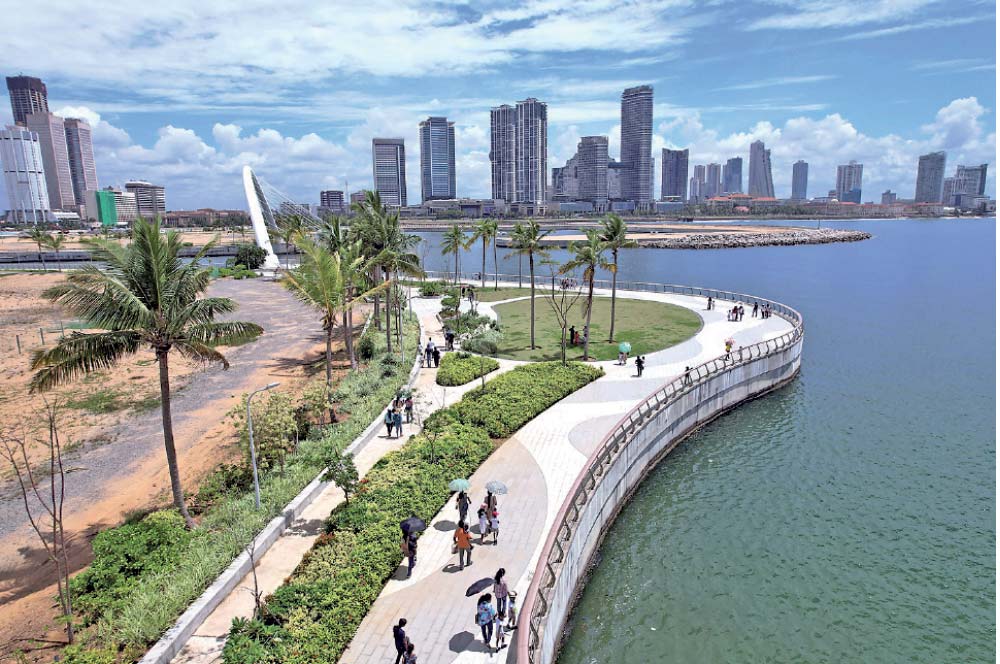
The Colombo Port City was sold to the people of Sri Lanka as a once-in-a-generation project that would transform the national economy by attracting billions of dollars in foreign direct investment, creating thousands of high-quality jobs, generating substantial government revenue, and establishing Sri Lanka as a global financial hub. Years after its launch, the Government must answer a simple question: where are the results?
It is reported that members of the Colombo Port City Commission receive monthly salaries ranging from Rs. 1 million to Rs. 1.2 million. If these reports are accurate, the public is entitled to know what return Sri Lanka is receiving for this expenditure.
Before coming to power, the JVP vehemently opposed the Colombo Port City Economic Commission Bill. During the parliamentary debate, JVP leader Anura Kumara Dissanayake described the proposed Port City as a “Chinese colony” and criticised the extraordinary powers vested in the Commission. Today, the same Government must explain whether it still stands by those criticisms or whether it has abandoned them after assuming office.
The Government should answer the questions it once asked:
Instead of becoming the economic engine that was promised, the Colombo Port City has yet to demonstrate meaningful financial benefits for ordinary Sri Lankans. At present, the most visible activity at the Port City appears to be Namal Rajapaksa exercising there, while the economic transformation promised to the people remains difficult to identify.
If the Government maintains that the Port City has attracted substantial investment—including investment from Chinese companies or investors—it should immediately publish a comprehensive account of every investment, the value of each project, the identity of the investors, the number of jobs created, the revenue generated for the State, and the direct economic benefits delivered to Sri Lankan citizens.
If land has been allocated or leased for specific investment and development objectives, but those objectives are not being achieved, the Government must explain what action it intends to take. Ordinary Sri Lankans cannot retain leased State land indefinitely while failing to fulfil the purpose for which it was granted. The same standard of accountability must apply to every investor and every project, regardless of who is involved.
The Colombo Port City should not become a symbol of unfulfilled promises, expensive administration, and political publicity. It should be judged not by promotional campaigns or photo opportunities, but by measurable economic outcomes. Sri Lankans deserve transparency, accountability, and a full explanation of what this project has actually delivered to the country.