Tuesday Jul 14, 2026
Tuesday Jul 14, 2026
Tuesday, 24 March 2026 01:52 - - {{hitsCtrl.values.hits}}
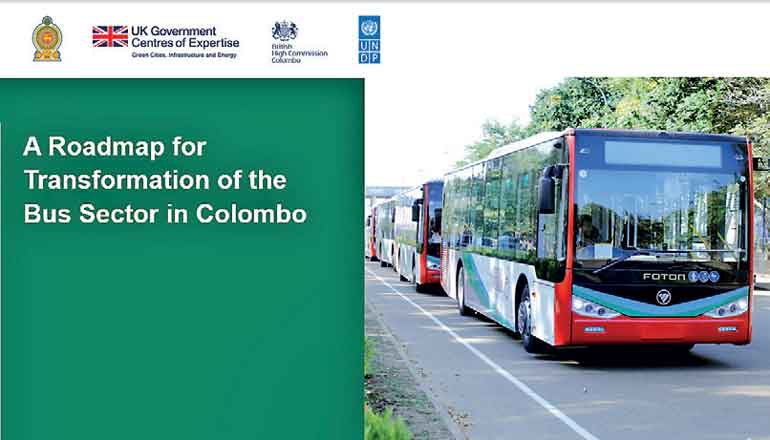
 Some conversations arrive at exactly the right moment. Last week's workshop on Sri Lanka's electric bus transition was one of them. Convened by the UK as part of our Green Cities Infrastructure and Energy Program and delivered in close partnership with the Ministry of Transport and the United Nations Development Program, it brought together the full range of voices needed to turn ambition into action: policymakers, bus operators, regulators and development partners.
The backdrop to this conversation was lost on no-one. A return to QR-code based fuel rationing is a stark reminder that as long as the country remains heavily dependent on imported petroleum, it will continue to be exposed to disruptions far beyond its control. Too often, initiatives like the Green Cities Program are viewed solely through the lens of climate action. Yet in Sri Lanka's case, whilst the environmental benefits are clear and significant, I believe the rationale runs deeper. It is a strategic investment in economic stability. An agenda fundamentally about resilience.
The transition to electric buses cannot succeed if treated simply as a vehicle procurement exercise. From what was heard in the room last week, that understanding is well and truly shared. The harder work lies in designing the enabling environment — the governance structures, regulatory frameworks and institutional mandates that allow electric buses to operate effectively at scale. As one of the central outputs, the program will deliver a practical Action Plan setting out clear options, pathways and reform measures to prepare the bus sector for electrification. I have been encouraged to see this being shaped through stakeholder engagement, ensuring that reform is grounded in local realities and owned by the authorities responsible for delivering it.
A return to QR-code based fuel rationing is a stark reminder that as long as the country remains heavily dependent on imported petroleum, it will continue to be exposed to disruptions far beyond its control
Electrification also places new demands on Sri Lanka's energy system, and this is something that should not be underestimated. As the workshop made clear, electric buses require more than chargers and depots; they require a power sector capable of delivering reliable supply at scale. The program’s technical work therefore assesses electricity generation, grid reliability, distribution capacity and tariff implications, ensuring that decisions about fleet deployment are grounded in a clear-eyed understanding of what the system can support. The alignment of transport and energy planning is not a technical nicety. It is essential.
Nor is electrification the whole picture, and I want to be clear about that. Many of the pressures bearing down on Sri Lanka's bus sector including irregular services, overcrowding, poor accessibility and safety concerns require answers. The program looks at issues faced by women on public transport, access for the disabled, and how to ensure transport can serve everyone regardless of income. It keeps the focus firmly on the day-to-day experience of those who depend most on public transport
What gave us optimism last week was the political will and technical curiosity in the room. The desire for change is evident, and the Ministry of Transport is setting ambitious goals. The UK is keen to support these goals, to bring evidence, international experience, policy insight and the technical tools that allow Sri Lanka to move forward.
Too often, initiatives like the Green Cities Program are viewed solely through the lens of climate action. Yet in Sri Lanka's case, whilst the environmental benefits are clear and significant, I believe the rationale runs deeper. It is a strategic investment in economic stability. An agenda fundamentally about resilience
I am proud that the United Kingdom stands with Sri Lanka in this transition. Electric buses are a powerful step forward, when paired with the governance and institutional reform that ensures those buses run frequently, reliably, cleanly and safely for all. The real measure of success will not be the number of electric buses on the road. It will be the quality of service they deliver, the communities they connect, and the economic resilience they build.
(The author is the British High Commissioner)



