Friday Oct 02, 2026
Friday Oct 02, 2026
Tuesday, 4 August 2026 01:16 - - {{hitsCtrl.values.hits}}
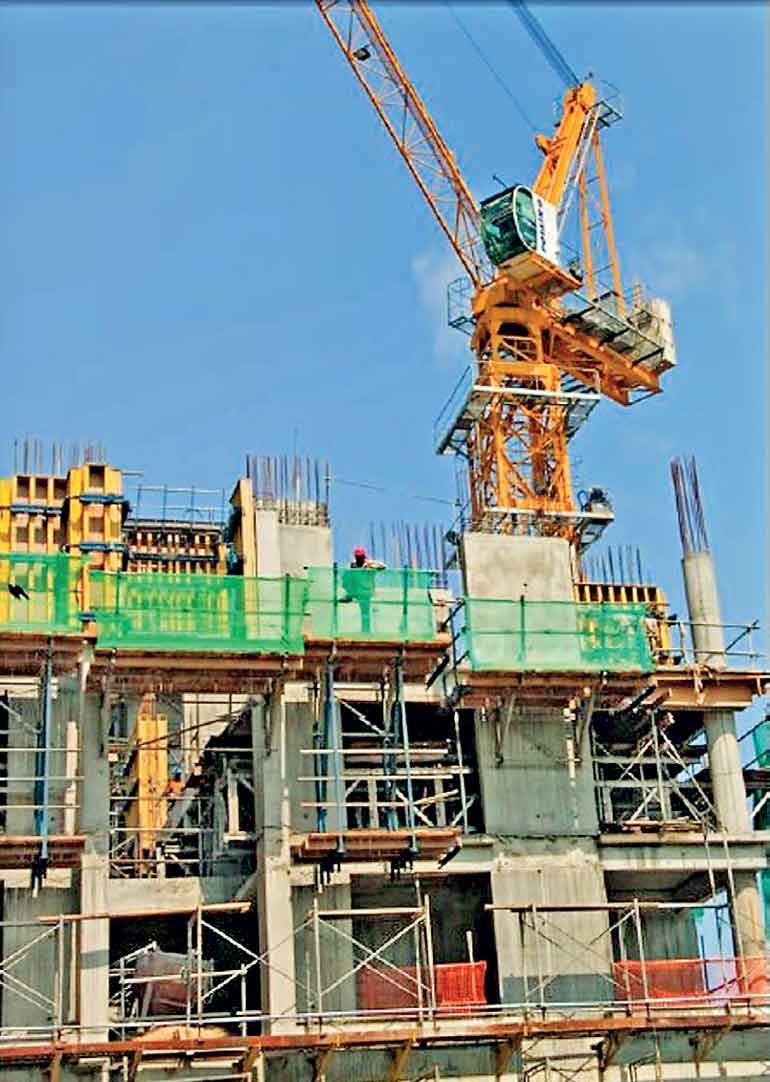
 CIOB Construction Cost Report 2025 identified a period of relative stability within Sri Lanka’s construction sector. Supported by lower prices for several key construction materials, exchange rate stability and moderate labour cost growth; Colombo maintained one of the most competitive construction cost positions in Asia at that time.
Since the publication of the report, however, market conditions have changed drastically. Contractors, consultants and developers are now experiencing renewed cost pressures driven by increases in material prices, labour costs and global commodity markets, requiring project budgets and procurement strategies to be reassessed.
High labour costs reflect continued shortages of skilled workers and increasing wage expectations. At the same time, global copper prices have risen by approximately over 40%, placing additional pressure on projects with significant electrical and mechanical installations.
Taken together, these market developments suggest that overall construction costs are now estimated to be approximately 20–30% higher than the benchmarks reported in the CIOB Construction Cost Report 2025, although the precise impact will vary depending on the nature, scale and specification of individual projects.
Key drivers behind the cost escalation
The current increase in construction costs reflects the combined impact of both domestic and international market forces.
Locally, the industry continues to experience shortages of skilled labour, increasing competition for experienced tradespeople and higher employment costs. Rising prices of imported construction materials, together with global commodity price movements, have further increased procurement costs across the sector.
Among these inputs, copper has experienced one of the sharpest increases. As an essential component in electrical wiring, transformers, switchgear, plumbing systems, telecommunications infrastructure and renewable energy installations, higher copper prices have had a particularly significant impact on commercial developments, hotels, hospitals, industrial facilities and other projects with substantial mechanical and electrical services.
Strategic implications for Sri Lanka’s construction industry
The current increase in construction costs extends well beyond higher material and labour prices. It is reshaping how projects are planned, procured, financed and delivered across the construction sector.
Project planning and feasibility have become increasingly sensitive to market fluctuations. Cost estimates and feasibility studies prepared several months ago may no longer accurately reflect prevailing market conditions, requiring developers and investors to revisit project budgets, financing requirements and expected returns before proceeding with procurement or construction.
The changing cost environment also has significant implications for procurement and contract administration. Extended tender periods may result in submitted prices becoming outdated before contracts are awarded, increasing the likelihood of contract renegotiations or revised pricing. This reinforces the importance of incorporating appropriate price adjustment mechanisms, realistic contingency allowances and flexible procurement strategies to manage ongoing market volatility.
The key challenge is ensuring that investment decisions are based on current market realities rather than historical cost benchmarks. As market conditions continue to evolve, regular cost monitoring, realistic budgeting and proactive risk management will become increasingly important
For contractors, rising input costs place greater pressure on working capital and cash flow. Higher expenditure on materials, combined with increased labour costs, requires greater upfront financing while reducing profit margins, particularly for projects procured under fixed-price contracts. Small and medium-sized contractors may be especially vulnerable, highlighting the need for prudent financial management, efficient procurement practices and effective supply chain planning.
The evolving market is also encouraging greater emphasis on value engineering and design optimisation. Rather than simply reducing project scope, developers and consultants are increasingly required to evaluate alternative materials, construction methods and design solutions that maintain quality and long-term performance while improving cost efficiency. Early contractor involvement and collaborative design approaches can play an important role in identifying cost-effective solutions before construction begins.
Higher construction costs may also influence investment decisions across both the public and private sectors. Some developments may be deferred, implemented in phases or redesigned to align with revised financial constraints. Public infrastructure programs may require budget adjustments, revised implementation schedules or prioritisation of critical projects to ensure continued delivery within available resources.
At the same time, these market conditions present an opportunity to improve industry productivity and resilience. Continued labour shortages and rising wage costs strengthen the business case for greater adoption of digital technologies, Building Information Modelling (BIM), prefabrication, modular construction and other productivity-enhancing practices. Improving efficiency throughout the project lifecycle will become increasingly important in offsetting future cost pressures.
Ultimately, the current market environment highlights a broader shift from traditional cost management towards comprehensive risk management. Construction stakeholders are increasingly required to monitor market trends, regularly update cost forecasts, diversify procurement strategies and proactively manage commercial risks throughout project delivery. Organisations that adopt these practices will be better positioned to maintain project viability and competitiveness in an increasingly dynamic construction environment.
Looking ahead
The key challenge is ensuring that investment decisions are based on current market realities rather than historical cost benchmarks. As market conditions continue to evolve, regular cost monitoring, realistic budgeting and proactive risk management will become increasingly important. Access to timely and reliable construction cost information will enable developers, contractors, consultants and policymakers to make informed decisions, manage project risks effectively and maintain confidence in Sri Lanka’s construction industry during this evolving phase of market adjustment.
(The author is the President of Ceylon Institute
of Builders)



