Saturday Sep 05, 2026
Saturday Sep 05, 2026
Wednesday, 20 May 2026 04:38 - - {{hitsCtrl.values.hits}}
 During recent times, environmentalists have raised much concerns about climate change. Climate change has given rise to various debates. The temperature rise resulted in a change in weather patterns, causing many problems for inhabitants in different parts of the world. Due to climate change, many natural disasters occurred, and these included tornadoes, hurricanes, drought, an increase in sea-level, floods, and wildfires.
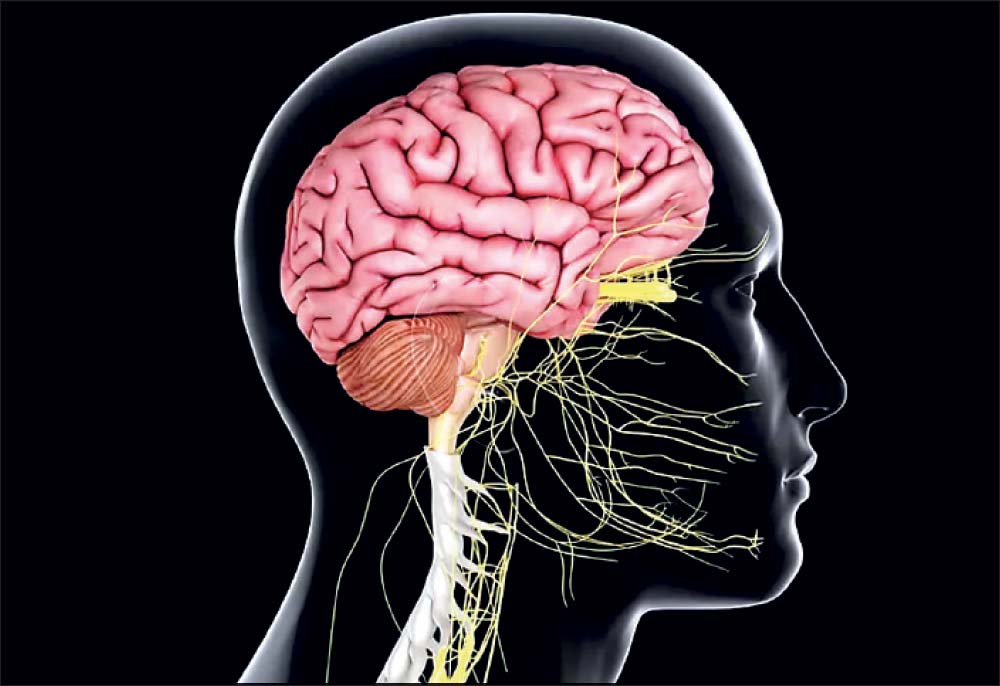
While the main topic of discussion has been the nature, many were not aware that climate change can also affect human mental health. Heat waves and high environmental temperatures may affect the human brain. The hypothalamus in the brain acts as a thermostat. High temperature may result in a dehydrated state of the body. The central nervous system is affected, and there is a disturbance in the nervous system.
The neurotransmitters and the synaptic transmissions are susceptible to an increased temperature. As a result, an individual suffers from fatigue, confusion, and irritable behaviour. The situation aggravates when the hypothalamus ceases to function properly. There is a failure of the thermostat mechanism with reduced sweating and impaired vasodilation of the blood vessels.
Due to impaired vasodilatation, the blood flow to the brain decreases, and there is a decrease in oxygen supply to the central nervous system. All these events give rise to mood disorders, insomnia, a decrease in cognitive functions, disturbance in gait, seizures, and altered consciousness. This is seen in cases of severe heat stroke. It will be interesting to know the changes in serotonin, aldosterone, and cortisol levels in the human body. In the future, large-scale research studies are warranted in the field of climate change and its effect on the central nervous system.
Dr. Srijit Das MBBS, MS, FRCS, FASI Department of Human and Clinical Anatomy College of Medicine and Health Sciences Sultan Qaboos University, Muscat 123, Oman



