Friday Oct 16, 2026
Friday Oct 16, 2026
Wednesday, 27 May 2026 00:00 - - {{hitsCtrl.values.hits}}
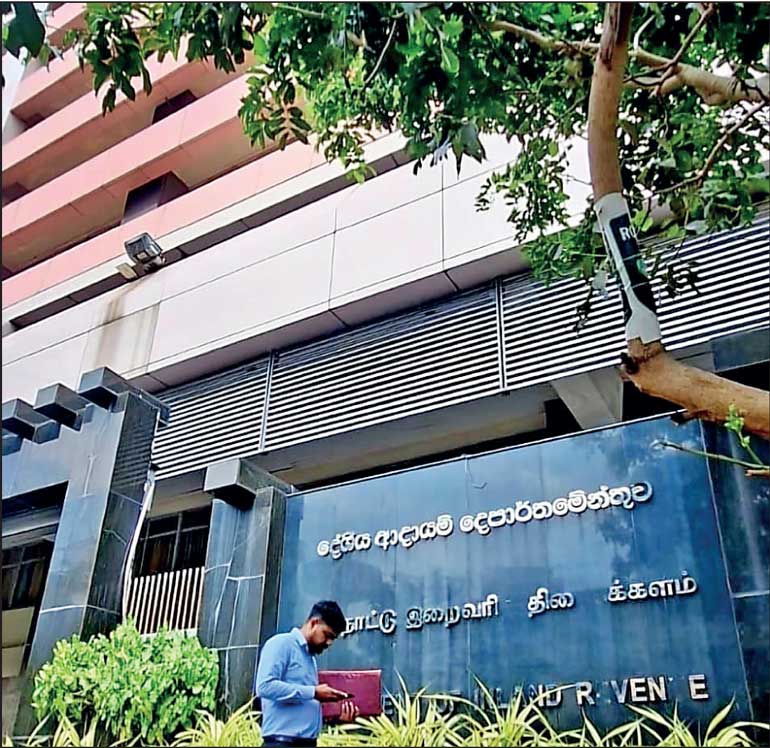
By Consultation and Promotion Unit,
Inland Revenue Department
 In every country, taxation is more than a legal requirement. It is a social contract. Citizens contribute a portion of their income to fund public services, and in return, the State has a responsibility to treat taxpayers fairly, transparently, and respectfully. A Taxpayer Charter is designed to make this relationship clear.
Around the world, tax administrations have adopted Taxpayer Charters to define the rights and obligations of taxpayers. One of the earliest modern examples was introduced by the Inland Revenue in the United Kingdom in the 1980s. Since then, many administrations including the Australian Taxation Office and the Canada Revenue Agency have formalised charters to strengthen trust and improve voluntary compliance. International institutions such as the OECD have consistently emphasised the importance of clear taxpayer rights frameworks as part of modern tax governance.
Sri Lanka took a significant step in this direction when the Inland Revenue Department of Sri Lanka officially published its Taxpayer Charter in 2023 (available at www.ird.gov.lk → Publications → Taxpayer Charter). The introduction of the Charter marked an important milestone in strengthening transparency, service standards, and public confidence in the tax system.
Why the Taxpayer Charter matters
A Taxpayer Charter is not merely a policy document. It is a public commitment. It clearly defines how taxpayers will be treated and what is expected from them in return. By setting out both rights and obligations, the Charter creates a balanced and respectful framework for engagement.
The Sri Lanka Taxpayer Charter outlines nine fundamental rights of taxpayers. These include the right to:
These rights ensure that dignity and professionalism guide every interaction between the Department and the public.
At the same time, the Charter sets out four key obligations. Taxpayers are expected to:
These obligations reflect the shared responsibility necessary for a fair and effective tax system.
Strengthening confidence and compliance
The positive impact of a Taxpayer Charter extends beyond legal clarity. It builds confidence. When taxpayers understand their rights, they feel secure. When they understand their obligations, they can comply with certainty. Clear communication reduces misunderstanding and promotes smoother transactions.
The Charter also strengthens accountability within the tax administration. By publicly committing to service standards, the Department reinforces professionalism, transparency, and consistency. This alignment between service and responsibility creates a stable environment for businesses and individuals alike.
For small and medium enterprises, clarity is particularly valuable. Predictable procedures help businesses plan finances, meet deadlines confidently, and focus on growth rather than uncertainty. For salaried taxpayers, clear rights provide reassurance that assessments and deductions are handled properly. For investors, a transparent tax framework enhances confidence in the overall economic environment. In this way, the Charter supports not only revenue collection but also economic stability.
Supporting national development
Sri Lanka’s long-term development depends on sustainable domestic revenue mobilisation. Public services education, healthcare, infrastructure, and social protection are funded through taxation. A system built on fairness and mutual respect encourages voluntary compliance, which in turn strengthens revenue predictability.
The Taxpayer Charter plays a vital role in this process. By encouraging cooperation rather than confrontation, it fosters a culture of partnership between citizens and the State. This partnership is essential for national progress.
Moreover, as Sri Lanka continues its digital transformation in tax administration, the principles of the Charter guide improvements in service delivery. Online registration systems, electronic filing, and digital payment platforms are designed not only for efficiency but also for accessibility and transparency. Clear explanations integrated into digital platforms help taxpayers understand procedures step by step.
Such modernisation reduces administrative burdens, shortens processing times, and enhances convenience. The Charter ensures that these improvements remain grounded in fairness and respect.
The positive way forward
The publication of the 2023 Taxpayer Charter represents a forward-looking reform. It signals a modern approach to tax administration one that values communication, professionalism, and service excellence.
Going forward, continued awareness-building will further enhance its impact. Educational outreach, simplified guides, and engagement with business communities can help ensure that every taxpayer understands the protections and responsibilities outlined in the Charter.
Periodic review of the Charter can also ensure that it remains responsive to evolving economic conditions and technological developments. Continuous improvement reflects commitment to excellence. As systems advance and public expectations grow, refining service standards strengthens credibility and performance.
Importantly, the Charter benefits both taxpayers and the Department. For taxpayers, it provides clarity, protection, and access to structured remedies. For the Department, it promotes consistency, improves service quality, and strengthens institutional reputation.
Foundation for trust
A tax system functions most effectively when trust is strong. Trust is built through transparency, fairness, and predictable processes. The Sri Lanka Taxpayer Charter provides that foundation. By clearly defining nine rights and four obligations, it transforms the tax relationship into one of mutual respect. It reassures citizens that they will be treated professionally, while reminding all taxpayers of their role in supporting national development.
As awareness continues to expand, the Charter will serve not only as a guiding document but as a practical tool encouraging responsible compliance, improving service delivery, and strengthening confidence in public institutions. A fair tax system is a pillar of a stable nation. Through the Taxpayer Charter, Sri Lanka has reaffirmed its commitment to fairness, accountability, and partnership. With informed participation and continued improvement, this framework will contribute meaningfully to sustainable growth and shared national progress.




