Friday Oct 02, 2026
Friday Oct 02, 2026
Saturday, 15 August 2026 00:00 - - {{hitsCtrl.values.hits}}
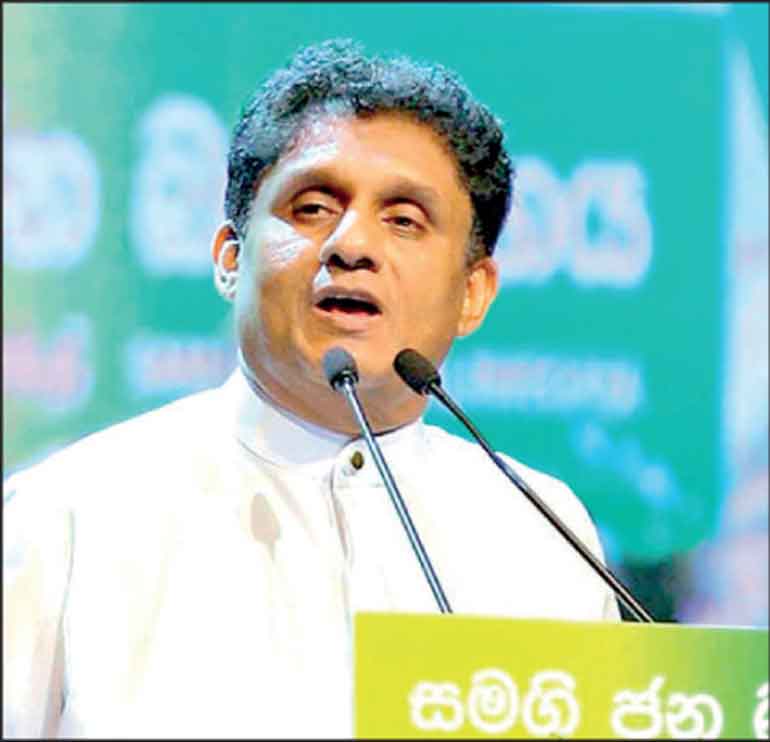
Opposition Leader Sajith Premadasa
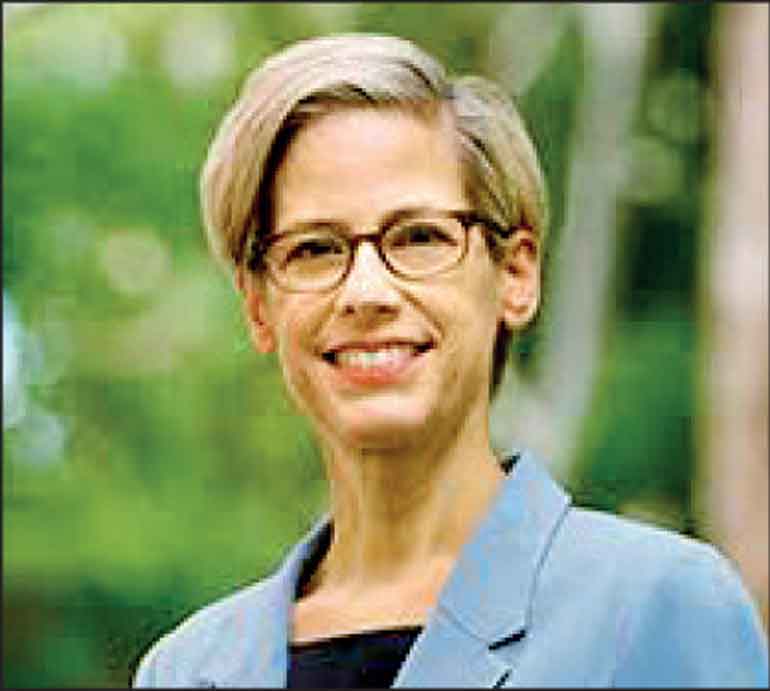
UN Special Rapporteur Margaret Satterthwaite
Opposition Leader Sajith Premadasa yesterday thanked UN Special Rapporteur on the Independence of Judges and Lawyers Margaret Satterthwaite for raising concerns over the proposed 22nd Amendment, saying they echoed warnings by the Bar Association of Sri Lanka (BASL), the legal fraternity and the Opposition over its implications for judicial independence.
In a statement on ‘X’, Premadasa questioned the Government’s decision to extend the proposed higher retirement ages to sitting Superior Court judges, rather than limiting the change to future appointments.
“A government does not spend its political capital on a two-year adjustment unless it knows exactly whose two years it is buying. If a Government can decide how long a judge stays, that judge is no longer fully free to rule against the Government,” he said.
Premadasa said the measure did not address the backlog of 1.1 million pending cases. He maintained that, if the Government proceeds, it should first explain the implications of the amendment to the public in Sinhala, Tamil and English before holding a referendum, which he said was required under the Supreme Court’s 2022 determination.
United Nations Special Rapporteur on the Independence of Judges and Lawyers Margaret Satterthwaite has raised concerns over Sri Lanka’s proposed 22nd Amendment to the Constitution, warning that extending the retirement age of serving Superior Court judges could affect judicial independence and public confidence.
In a communication to the Government dated 7 August, Satterthwaite said the proposed changes may not be consistent with international human rights standards governing judicial independence and the right to a fair trial.
The proposed amendment increases the retirement age of Supreme Court judges from 65 to 67 and Court of Appeal judges from 63 to 65.
Satterthwaite said applying the changes to sitting judges through a constitutional amendment could raise concerns over executive and legislative interference, particularly in the absence of transitional arrangements and other safeguards.
She also cautioned that extending the tenure of serving judges could create a perception that the amendment was intended to alter the composition of the judiciary for immediate institutional purposes rather than establish a generally applicable rule.
The Special Rapporteur further flagged potential conflicts of interest if judges benefiting from the extension were subsequently required to consider the constitutionality of the amendment.
While acknowledging that changes to judicial retirement ages could be justified to preserve expertise and institutional continuity, Satterthwaite said such reforms required meaningful consultation and safeguards for judicial independence.
She called for any change to be pursued through a transparent and consultative justice reform process and sought details from the Government on the amendment, its rationale, safeguards against interference and consultations with the judiciary, Bar Association of Sri Lanka, legal professionals, civil society and academics.
The communication and any Government response will be made public through the UN communications reporting website and subsequently included in a report to the Human Rights Council.



