Monday Sep 28, 2026
Monday Sep 28, 2026
Monday, 15 June 2026 05:52 - - {{hitsCtrl.values.hits}}
By Divya Thotawatte
 As Sri Lanka seeks to build its knowledge-based economy, the country could deepen economic cooperation with Japan by learning from its experience in technology, productivity, and innovation, Prime Minister Dr. Harini Amarasuriya said last week.
“There is much we can continue to learn from Japan’s experience in technology, productivity, management excellence, and human resource development,” she said, adding that Sri Lanka could add to its development agenda by looking at Japan’s commitment to collective national progress.
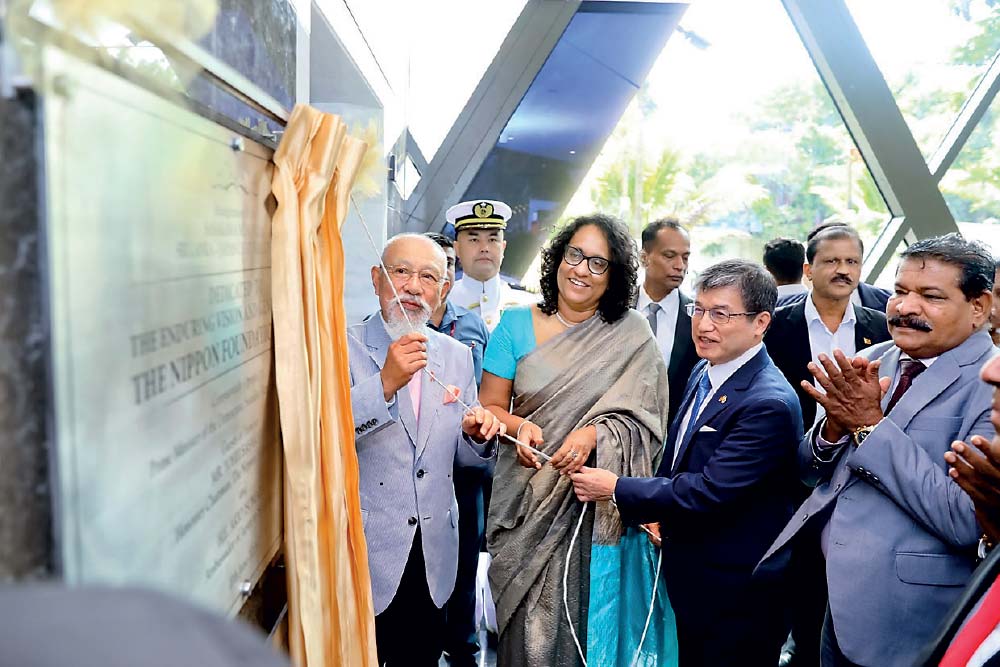
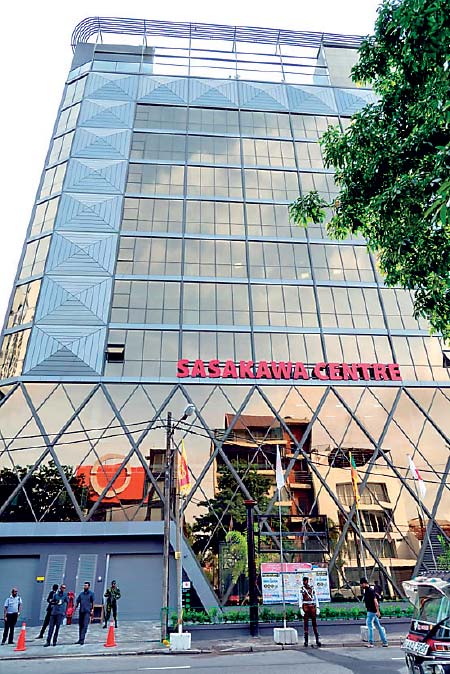
The Prime Minister said this on 11 June at the opening of the Sasakawa Memorial Sri Lanka-Japan Cultural Centre Trust’s new Rs. 3 billion office building at Ward Place, highlighting that the facility would be a platform for innovation and strengthening the economic partnership between the two countries.
She said that Japanese principles such as Kaizen, the 5S methodology, and continuous innovation had already influenced Sri Lankan enterprise and institutions.
“Through this centre, those exchanges can be expanded further, creating opportunities for our businesses and our young people to thrive in an increasingly interconnected world,” Dr. Amarasuriya said.
The Prime Minister said that in a period of global uncertainty, trusted partnerships grounded in mutual respect and cooperation were becoming increasingly important, adding that Sri Lanka and Japan would continue to be committed to dialogue, international cooperation, and a rules-based international order.
The newly opened Sasakawa Memorial Sri Lanka-Japan Cultural Centre building, designed by Design Consortium International Ltd., (DCIL), comprises three basement levels, a ground floor, and 10 upper floors. It incorporates modern construction techniques alongside sustainability-focused design features aimed at improving energy efficiency and workplace functionality.
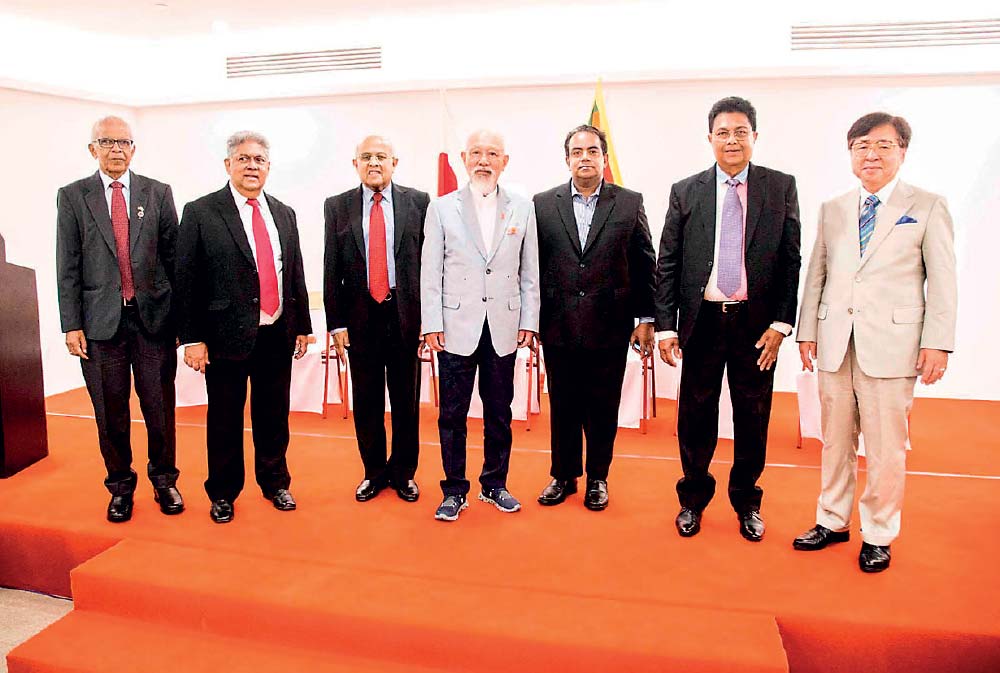
Japanese Ambassador Akio Isomata and Nippon Foundation Chairman Yohei Sasakawa said that the new centre reflected the longstanding relationship between Sri Lanka and Japan.
Isomata said that the new centre would deepen educational, cultural, and professional exchanges between the two countries as bilateral ties entered a new chapter. He noted that people-to-people exchanges were the foundation of Sri Lanka-Japan relations and expressed confidence that the facility would play an increasingly significant role in expanding cooperation across multiple sectors. “In this regard, I would like to note that this is a new era of enhanced cooperation,” he said.
Sasakawa recalled Sri Lanka’s support for Japan’s return to the international community after the Second World War, noting how former President J.R Jayewardene’s remarks at the 1951 San Francisco Peace Conference served as a symbol of the enduring friendship between the two countries.
He said the Nippon Foundation had continued to support a range of initiatives in Sri Lanka over the years, including Japanese language education, cultural exchanges, school rehabilitation programs in post-conflict areas, and training programs in prosthetics and orthotics.
“I hope that this centre will continue to serve as an important bridge of friendship between Sri Lanka and Japan,” Sasakawa said.
DCIL Principal Architect Migara Alwis said: “The architectural language demonstrates the discipline of parametric architecture while creating a distinctive corporate identity for the Sasakawa Trust Centre.”




