Immigration Bill clears Parliamentary Committee, armed forces to get limited border enforcement powers

Monday, 23 November 2026 00:00 -     - {{hitsCtrl.values.hits}}


  • New legislation to replace two existing laws, modernise immigration controls and enable E-Gates
  • Biometric data collection to be subject to Personal Data Protection Act safeguards

​​

The proposed Immigration Bill, which seeks to overhaul Sri Lanka’s immigration and emigration framework, has received the approval of the Parliamentary Sectoral Oversight Committee on Governance, Justice and Civil Protection, subject to amendments at the Committee Stage in line with the Supreme Court’s determination.

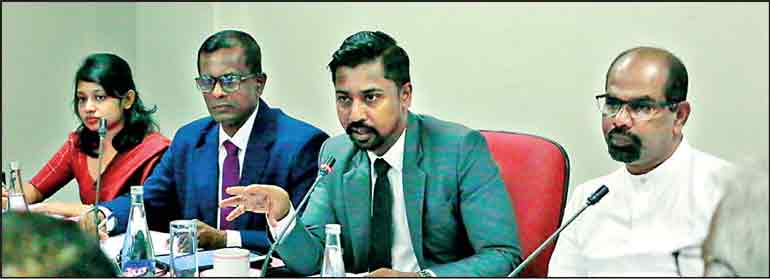
The Bill was considered by the Committee at a meeting on 18 November chaired by its Chairman, Dr. Najith Indika, with officials from the Public Security Ministry, Department of Immigration and Emigration, Attorney General’s Department and Legal Draftsman’s Department participating.

The proposed legislation is intended to replace both the Immigrants and Emigrants Act (Chapter 351) and the Passports and Exit Permits Act No. 53 of 1971, bringing the country’s immigration framework in line with contemporary international standards and technological developments.

Officials informed the Committee that amendments required by the Supreme Court following a legal challenge to the Bill had been incorporated, including safeguards to ensure the collection and storage of biometric information comply with the Personal Data Protection Act.

Among the significant provisions is the authority for the President, through a Gazette notification issued at the request of the relevant Minister, to assign limited immigration enforcement powers to members of the three Armed Forces and the Coast Guard to prevent illegal entry into the country.

The Bill also seeks to strengthen Sri Lanka’s ability to prosecute human trafficking and organised crimes involving forged travel documents, including offences committed overseas, even where the individuals concerned had legally departed Sri Lanka. Cases relating to such organised illegal activities would be heard by the High Court.

It also provides the legal foundation for introducing automated electronic immigration gates (E-Gates), enabling passengers to clear immigration without the conventional passport-stamping process.

The proposed legislation further updates official designations within the immigration administration, replacing existing titles such as Controller, Deputy Controller and Authorised Officer with Controller General, Additional Controller General and Immigration Officers.

The Committee also examined provisions and related legal issues concerning the granting of visas to foreign nationals married to Sri Lankan citizens.

COMMENTS