Tuesday Oct 06, 2026
Tuesday Oct 06, 2026
Tuesday, 2 June 2026 07:34 - - {{hitsCtrl.values.hits}}
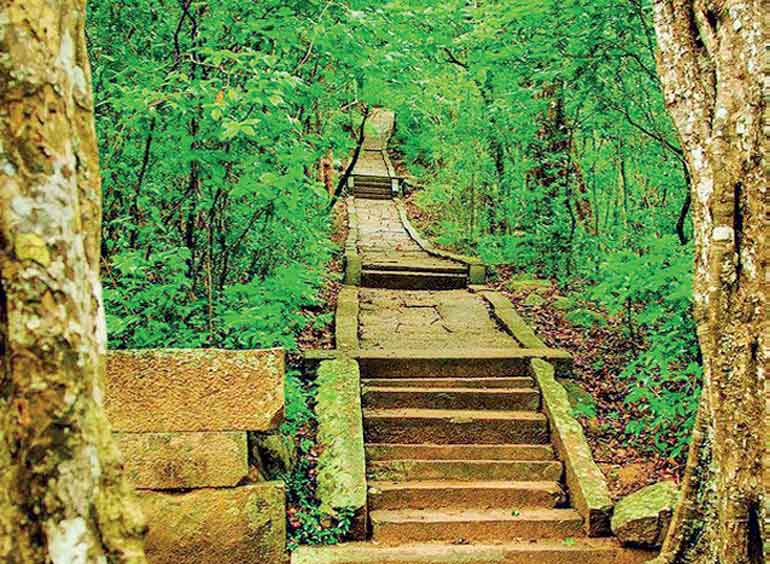
The Government is set to strengthen its environmental protection efforts by designating five forests in the Anuradhapura District as protected reserves on 5 June, with a strong focus on safeguarding the ancient Ellanga wewa cascade system and preserving critical ecosystems.
The initiative, which will be implemented under the national ‘Wanaspathi’ program in line with World Environment Day, also includes plans to open three designated elephant corridors aimed at mitigating the growing human-elephant conflict.
The primary objective of declaring these areas as protected reserves is to conserve the wewa cascade system, locally known as the Ellanga system, a centuries-old irrigation network that remains vital to water security, agriculture, and ecological sustainability in the dry zone of Sri Lanka.
In addition to safeguarding water resources, the initiative is expected to play a critical role in managing human-elephant conflict and conserving biodiversity, particularly in regions where wildlife movement overlaps with human settlements.
Addressing the media yesterday, Environment Minister Dhammika Patabendi said forests located in ecologically sensitive areas will be declared forest reserves on 5 June in line with World Environment Day.
He said the move will increase the country’s total number of protected forest reserves to 86.
The forest areas to be gazetted as protected reserves include the Ritigala Forest Reserve, Aliya Wetunu Wewa Reserve, Bulagala Reserve, Koonketiyawa Reserve, and Kallankeeya Reserve. Together, these five forest zones cover a total extent of 2,169 hectares.
Environment Ministry Adviser Dr. Ravindra Kariyawasam highlighted the ecological and strategic importance of these forests, particularly Ritigala, noting their role in supporting both wildlife and water systems.
“The main objectives of declaring these areas as protected reserves are to manage the human-elephant conflict, conserve biodiversity, and protect ecosystems including the Ellanga system. In the Ritigala region, a significant number of elephants move in search of food, particularly towards Palugas Wewa, Bellankadawila, and several smaller wewas located in the upper areas. This forest can also be identified as a major water catchment that supplies these areas. Therefore, the primary basis for conserving Ritigala as a protected reserve is to manage the human-elephant conflict, while also safeguarding water and food resources for wildlife. Through this initiative, the Government is taking steps to protect these forests as part of its contribution to conservation,” he said.



