Friday Oct 09, 2026
Friday Oct 09, 2026
Friday, 9 October 2026 00:00 - - {{hitsCtrl.values.hits}}
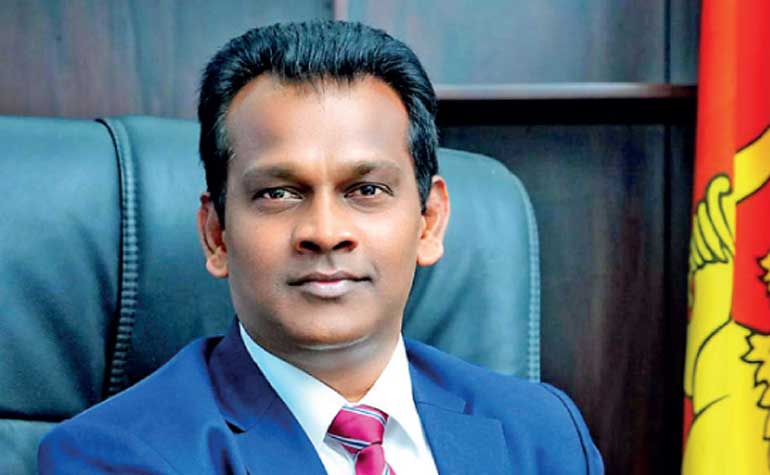
Tourism Deputy Minister Prof. Ruwan Ranasinghe
The Tourism Ministry has begun planning a five-year Global Destination Communication campaign. It is using consultancy services obtained under a World Bank-supported project, Tourism Deputy Minister Prof. Ruwan Ranasinghe told Parliament yesterday.
The SLTPB will implement the campaign. It aims to strengthen Brand Sri Lanka, introduce tourism branding for each of the nine provinces and develop branding for specific tourism products. These products are agro-tourism, coastal and marine, sports, culinary, adventure, meditation and spiritual, wellness and Ayurveda, nature and biodiversity, wildlife, and culture and heritage tourism.
Prof. Ranasinghe said the Ministry spent Rs. 424 million on 46 projects in 2025. It has allocated Rs. 930 million for 2026 to develop the sector, including better access to local eco-tourism sites.
The Sri Lanka Tourism Development Authority (SLTDA) helps investors by providing information and guidance on legal and regulatory requirements and by coordinating with the relevant state agencies, he said. It also works with industry stakeholders to make tourism service providers aware of the standards needed to establish, register and operate an enterprise, and it offers them technical support.
Under the Clean Sri Lanka program, the Presidential Secretariat has met tourism sector entities and state agencies on grading accommodation and amenities. So far, 10 tourism facility centres have been identified.
The Deputy Minister said the National Tourism Policy includes environmental measures under its second main policy theme. It proposes assessing the carrying capacity of ecologically sensitive areas, meaning the number of visitors a site can absorb without lasting damage, and introducing environmental controls. New tourism infrastructure must meet sustainability standards, including the use of renewable energy, proper waste and wastewater management, and minimising or eliminating single-use plastics.
On skills, Prof. Ranasinghe said the Sri Lanka Institute of Tourism and Hotel Management (SLITHM) runs nine hotel schools, one in each province. Together they send more than 6,000 trained young men and women into the hospitality and tourism sectors each year.




