Dayasiri questions judicial independence, warns against weaponising criminal justice system

Monday, 23 November 2026 00:01 -     - {{hitsCtrl.values.hits}}

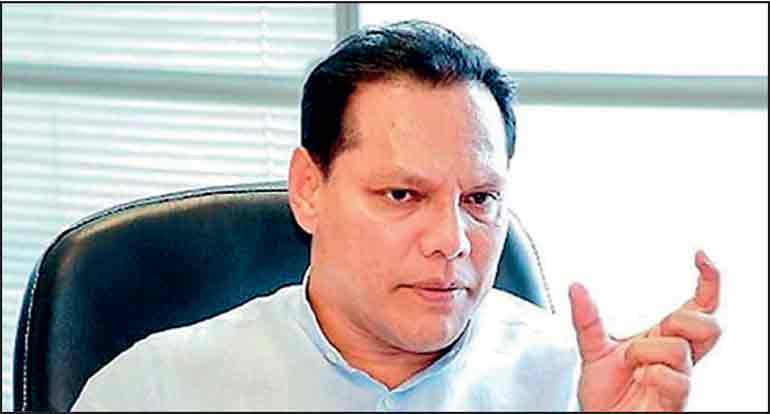
MP Dayasiri Jayasekara


  • Calls for disclosure of Anti-Corruption Act remand certificates, transparency in judicial appointments and bench assignments

MP Dayasiri Jayasekara on Saturday in Parliament raised concerns over the independence of the judiciary and the potential misuse of criminal law against political opponents, warning that the credibility of Sri Lanka’s justice system depends on Courts retaining the authority to question the State and scrutinise the grounds for arrest and detention.

Speaking in Parliament, he, questioned provisions of the Anti-Corruption Act that require Magistrates to remand suspects upon the submission of a certificate by the Commission to Investigate Allegations of Bribery or Corruption (CIABOC) Director-General, subject to statutory conditions.

He said Section 149 of the 2023 Act gives significant weight to such certificates in determining remand, with bail being granted only in exceptional circumstances and with reasons recorded by the Magistrate. He questioned whether citizens have a meaningful opportunity to challenge the factual basis of a certificate that could result in their continued detention.

Referring to proceedings involving MP Namal Rajapaksa, he said the Fort Magistrate had sought clarification in September on whether the Director-General had submitted such a certificate in related proceedings. “Our duty in this House is to ask what opportunity any citizen has to test the factual basis of a certificate that can keep him behind bars. A Magistrate who must sign the remand order must have a meaningful opportunity to examine the grounds on which a person loses his liberty,” he stressed.

He urged the Justice Minister to disclose the number of Section 149 certificates issued annually, the duration of remand in the cases concerned, and how many had proceeded to trial, saying such information would enable Parliament to assess the practical impact of the provision without interfering in pending cases.

Jayasekara also cautioned against investigations in which individuals were allegedly targeted first, with investigators subsequently seeking offences to fit them. Such practices, he argued, undermined the presumption of innocence guaranteed under Article 13(5) of the Constitution and risked turning legal proceedings into instruments of punishment before guilt was established.

“As a lawyer and a Member of this House, I am deeply concerned about what happens to that citizen when the decision to pursue him is taken first and the search for an offence begins afterwards. An honest investigation follows the evidence, wherever it leads and whoever may be implicated. Once those in authority select a person and ask investigators to find an offence that will fit, they have already decided whom to punish. Everything that follows carries the appearance of a legal process. That is precisely what makes the abuse so dangerous,” he said.

He also questioned the Government’s decision under the 22nd Amendment to raise the retirement age of Supreme Court judges from 65 to 67 and Court of Appeal judges from 63 to 65, arguing that the revised limits could have been applied only to future appointments rather than extending the tenure of serving judges.

On the constitution of judicial benches in politically sensitive and high-profile cases, including matters relating to the proposed Protection of the State from Terrorism Bill and Prevention of Organised Crimes Bill, he called for greater transparency in the exercise of the Chief Justice’s powers under Article 132.

While affirming the Chief Justice’s constitutional authority to constitute benches, Jayasekara proposed that the judiciary publish the principles governing bench assignments and maintain a public record of the benches appointed to hear cases of significant public interest. Such disclosure, he said, would help address concerns over repeated assignments of the same judges to politically sensitive cases while strengthening public confidence in the judiciary.

Drawing on Sri Lanka’s judicial history, he cited the 1937 Mark Bracegirdle case, in which Chief Justice Sir Sidney Abrahams and two other judges ordered the release of Bracegirdle after examining the legality of the colonial Governor’s deportation order. He said the episode demonstrated that even the most powerful executive authority must be required to justify the detention of an individual.

Jayasekara also warned that using the criminal justice system to prevent political opponents from contesting elections would undermine the franchise and deny voters their right to choose. 

“A Government that weaponises the criminal justice system to disqualify an opponent betrays its own lack of confidence in facing the people at the next election. If you believe you have earned a second mandate, go before the country, defend your record and ask for it. What right have you to narrow the people’s choice before a single vote has been cast?”

Drawing parallels with the 1980 decision under former President J.R. Jayewardene’s Government to strip former Prime Minister Sirimavo Bandaranaike of her civic rights, which prevented her from contesting the 1982 Presidential Election, he said the consequences extended beyond the individual to the electorate.

He recalled that Bandaranaike returned as Prime Minister for a third time in 1994, arguing that political opponents should be challenged at the ballot box rather than through the misuse of State institutions.

“Have the courage to face your opponents at the polls. Leave the choice to the people,” he told the Government benches.

He warned that the erosion of judicial independence could have a chilling effect on trade unionists, Opposition politicians, and ordinary citizens, particularly those seeking to challenge Government actions or expose wrongdoing, adding that an independent judiciary remained the last safeguard against executive overreach.