Tuesday Sep 15, 2026
Tuesday Sep 15, 2026
Saturday, 24 January 2026 05:52 - - {{hitsCtrl.values.hits}}
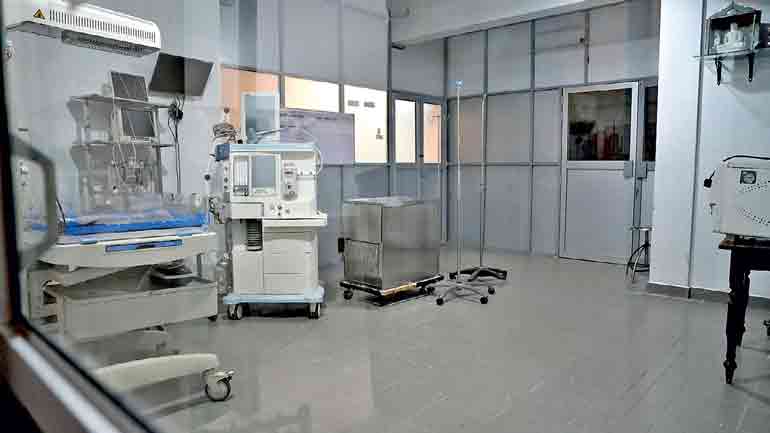
Surgical services have now resumed at the District General Hospital, Chilaw, following emergency repairs supported by UNFPA in the aftermath of Cyclone Ditwah.
The rapid restoration of critical sections of the operating theatre has enabled the hospital to safely recommence sterilisation procedures and resume surgeries, ensuring continued access to life-saving maternal and newborn care for hundreds of patients each month.
In the immediate aftermath of Cyclone Ditwah, severe flooding caused extensive damage to health facilities across Sri Lanka, disrupting essential and life-saving services. Among the facilities affected was the Operating Theatre of the District General Hospital, Chilaw, a critical referral hospital serving thousands of patients each month, including a high volume of pregnant women and newborns requiring urgent care.
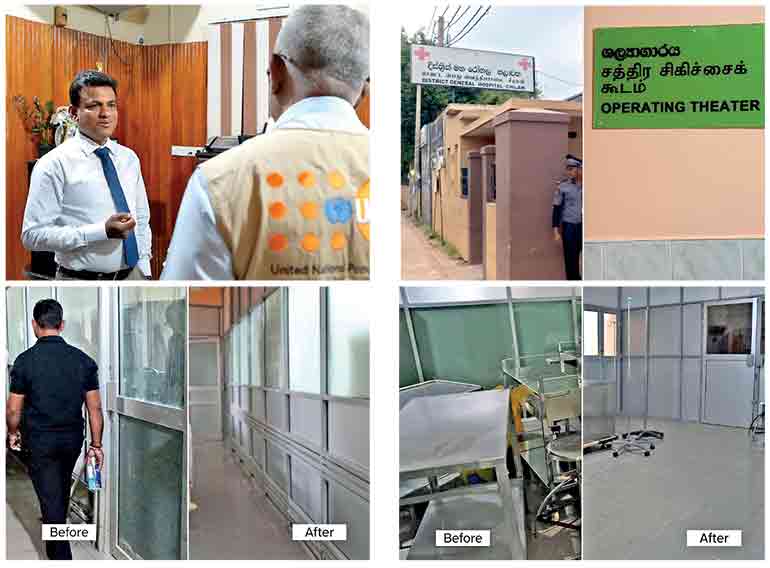
During an inspection visit to the hospital in December 2025 to assess the extent of damage post-disaster, hospital staff, led by Director Dr. Sumith Attanayake, highlighted the urgent need to restore the operating theatre premises. Floodwaters had damaged the wall cladding panels, doors, and internal structures, severely compromising the sterile environment required for surgical procedures. Without immediate repairs, the hospital faced delays in resuming surgeries including essential obstetric and neonatal care.
“In November, our hospital was severely affected by flooding. Our main operating theatre was among the hardest hit, and we were unable to carry out any surgical procedures. At that time, a team from UNFPA visited the hospital and saw firsthand the condition of the theatre. The side walls and internal partitions were badly damaged, putting our ability to safely resume surgeries at risk,” said Dr. Attanayake.
Responding swiftly to this urgent request, UNFPA mobilised immediate support as part of its emergency humanitarian response to ensure continuity of life-saving critical health services. In close coordination with the the Government of Sri Lanka and Ministry of Health, UNFPA facilitated the rapid restoration of the operating theatre, enabling the hospital to safely recommence sterilisation procedures to resume surgeries.
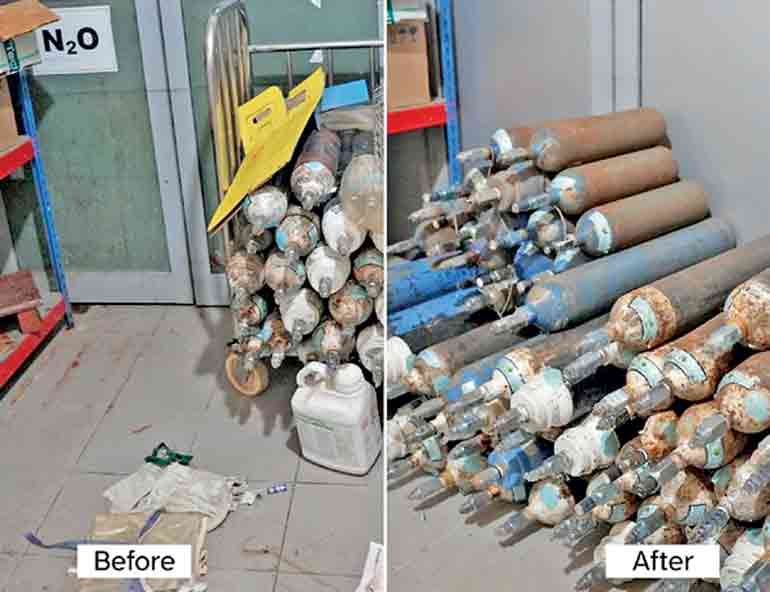
By 30 December 2025, restoration efforts were successfully completed. The intervention included the replacement and repair of operating theatre wall cladding panels, repairs to doors, locks, hinges, floor fittings, and the renovation of internal cabin structures using cladding boards and glass. These improvements helped restore the sterile condition of the operating theatre, a prerequisite for safe surgical and obstetric care.
The timely restoration was especially critical given the hospital’s caseload. According to hospital staff, approximately 500 pregnant women receive treatment at Chilaw District General Hospital each month. Even at the height of the flooding, over 150 patients, including pregnant women, were receiving in-house care, underscoring the urgent need to restore services without delay.
“UNFPA responded immediately and supported us directly. Thanks to their prompt action, within just a few days we were able to repair the damaged sections of the operating theatre. We have now resumed surgeries. I sincerely thank UNFPA for standing with us at a critical moment,” Dr. Attanayake noted with gratitude.
This rapid turnaround, from assessment to completion within less than three weeks, reflects UNFPA’s role as one of the most trusted and active partners on the ground, supporting national systems to respond, recover, and rebuild in times of crisis. By prioritising essential health infrastructure, UNFPA helped ensure that women, girls, pregnant women, and newborns are empowered with access to life-saving care during a critical period.
As Sri Lanka continues its recovery from Cyclone Ditwah, UNFPA’s humanitarian response remains focused on protecting the health, safety, and dignity of women and girls, through the restoration of essential services, the provision of critical supplies, and sustained support to frontline health systems.