Friday Oct 16, 2026
Friday Oct 16, 2026
Friday, 26 June 2026 16:17 - - {{hitsCtrl.values.hits}}
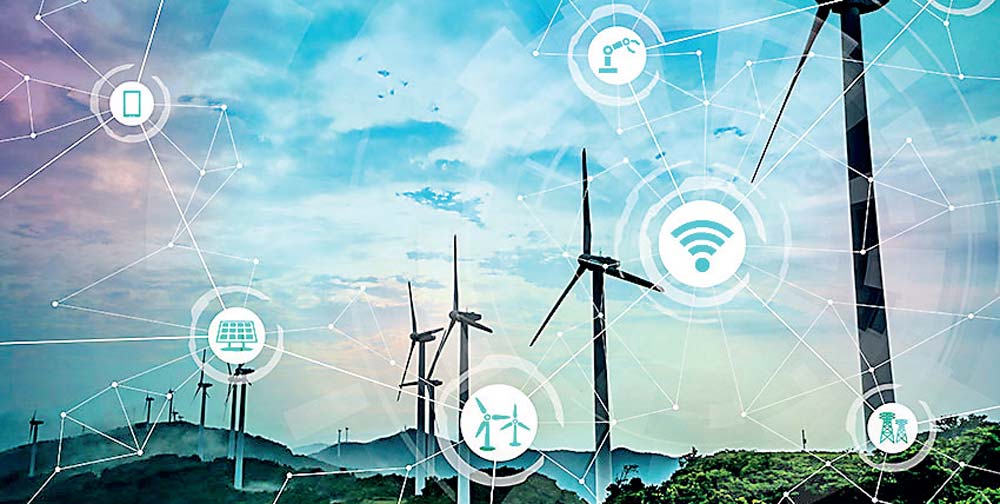
Sri Lanka, a picturesque island nation in the Indian Ocean, is undergoing a transformative shift in its energy sector. As the country strives to enhance its renewable energy capabilities, smart grid technology is emerging as a game-changer. This integration is not only optimising the use of solar and wind power but also significantly improving the overall efficiency and reliability of Sri Lanka’s energy infrastructure.
The renewable energy landscape in Sri Lanka
Sri Lanka’s commitment to renewable energy is underscored by its ambitious targets and projects aimed at reducing dependence on fossil fuels. The Government has set a goal to achieve 70% of its electricity generation from renewable sources by 2030. This vision is driven by the island’s abundant natural resources, including ample sunlight and strong winds, which are ideal for solar and wind energy production.
Solar energy has seen remarkable growth in Sri Lanka. The country has invested heavily in large-scale solar farms, such as the 100 MW Kandalama Solar Park and several smaller installations across the island. Similarly, wind power projects, including the 100 MW Phase I of the Mannar Wind Farm, are tapping into the consistent wind patterns of the northern region.
Enter smart grids: A technological revolution
Smart grids represent a significant leap forward in how energy is managed and distributed. Unlike traditional grids, which are largely passive and reactive, smart grids use advanced digital technology to enhance the efficiency, reliability, and sustainability of electricity distribution. They integrate information and communication technologies (ICT) to monitor and manage the flow of electricity in real-time.
In Sri Lanka, the integration of smart grid technology is revolutionising the energy sector by addressing several critical challenges:
1. Enhanced grid stability: Smart grids offer improved stability by dynamically adjusting to fluctuations in energy supply and demand. This is particularly crucial in a country like Sri Lanka, where renewable energy sources such as solar and wind are variable. Smart grids can swiftly manage these fluctuations and reduce the likelihood of blackouts or power outages.
2. Optimised energy distribution: With smart grid technology, Sri Lanka can better manage the distribution of electricity from renewable sources. Advanced sensors and meters provide real-time data on energy production and consumption, allowing for more precise balancing of supply and demand. This helps in minimising energy losses and reducing the need for excess energy generation.
3. Increased integration of renewables: Smart grids facilitate the integration of diverse renewable energy sources by accommodating their variable nature. They enable better forecasting and storage solutions, which are essential for maintaining a steady energy supply despite the intermittent nature of solar and wind power.
4. Consumer benefits: For consumers, smart grids offer several advantages. Advanced metering infrastructure (AMI) allows for more accurate billing and real-time feedback on energy usage. This empowers consumers to make informed decisions about their energy consumption, potentially leading to cost savings and increased awareness about energy efficiency.
Key projects and initiatives
Sri Lanka’s journey toward a smart grid-enhanced renewable energy sector is marked by several notable projects and initiatives:
Environmental and economic impact
The shift to smart grids and renewable energy sources is having a profound impact on Sri Lanka’s environment and economy. By reducing reliance on fossil fuels, the country is lowering greenhouse gas emissions and contributing to global climate change mitigation efforts. This not only helps preserve Sri Lanka’s natural beauty but also aligns with international environmental agreements.
Economically, the deployment of smart grids and renewable energy technologies is creating new job opportunities and fostering innovation. The renewable energy sector is becoming a significant driver of economic growth, attracting investment and boosting local industries. Additionally, the efficiency gains from smart grids translate into lower operational costs for energy providers, which can be passed on to consumers in the form of reduced electricity prices.
Looking ahead
Sri Lanka’s integration of smart grid technology into its renewable energy strategy represents a bold step toward a sustainable and resilient energy future. As the island nation continues to expand its renewable energy capacity and enhance its grid infrastructure, smart grids will play a crucial role in realising its energy goals.
By embracing this technological revolution, Sri Lanka is not only improving its energy sector but also setting an example for other nations seeking to balance economic growth with environmental stewardship. The journey towards a greener, smarter energy future is well underway, promising a brighter and more sustainable future for the people of Sri Lanka.




