Saturday Feb 14, 2026
Saturday Feb 14, 2026
Monday, 8 December 2025 00:26 - - {{hitsCtrl.values.hits}}
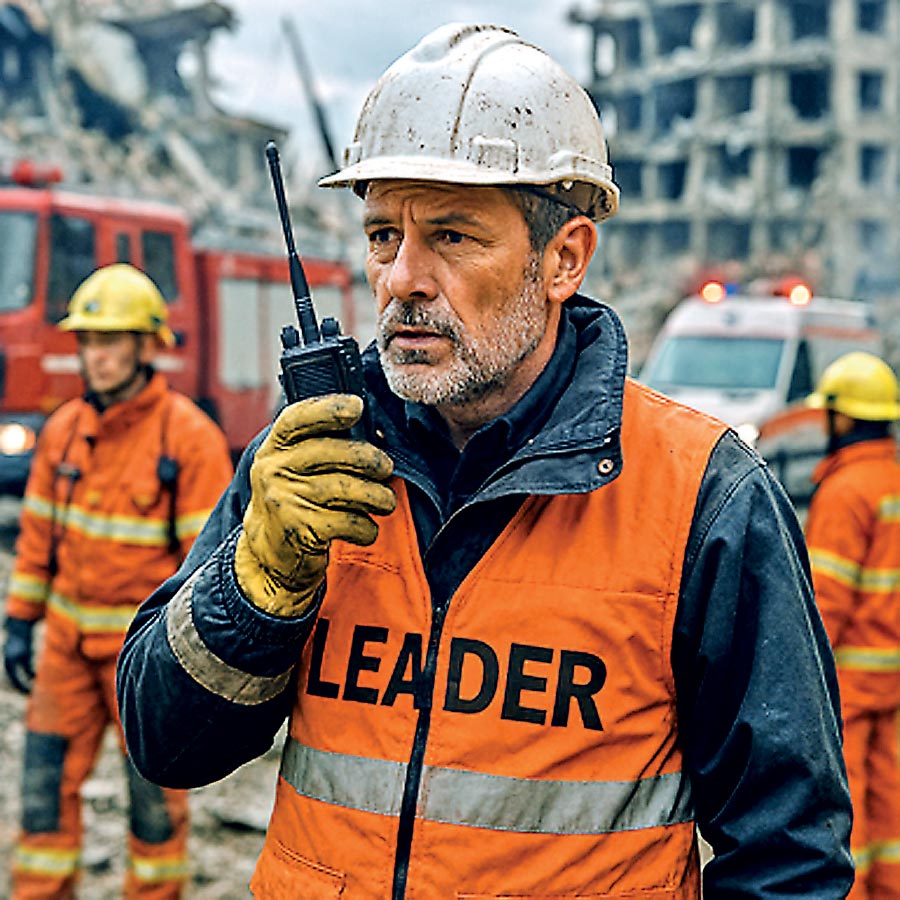
A crisis strips away the comfort of routine and forces leaders into high stakes, accelerated decision-making environments
 Disasters are unexpected events which occur, sometimes without warning, and demand those involved to change their normal daily activities to an immediate and focused response to the event
 Disasters are unexpected events which occur, sometimes without warning, and demand those involved to change their normal daily activities to an immediate and focused response to the event. While forecasting weather-related disasters has been improved in the recent past, it is far from perfect. Continuous improvements have been made but the risks have also been increased. No two disaster responses will ever be the same because no two disasters will be the same.
Most leaders are trained to lead corporations. In the face of crises, like the recent floods in Sri Lanka, people choose to react differently, and we can group them as follows:
1. Wait and see approach: if the crisis does not affect me or my business, just wait and see how others sort things out.
2. Criticise and even sabotage the work undertaken: this is simply the finger pointing approach. Some appear to enjoy this without realising in crises, good enough solutions are accepted without waiting for perfect solutions. Time is of essence.
3. Seek chances to profit, even if it means exploiting others' difficulties. Political point scoring is common. Decisions taken are criticised using social media.
4. Act if directly affected: attend to looking after self and the immediate family only if they are affected.
5. React immediately and take responsibility and do whatever possible to ease the burden of others. Do whatever possible with the aim of contributing to the recovery.
Whether it is the Tsunami, COVID-19 or recent floods, only some belong to the last two groups. The others are just observers waiting to see how things work out.
“Any fool can criticise, condemn, and complain but it takes character and self-control to be understanding and forgiving.” — Dale Carnegie
Why crises test leadership differently
A crisis strips away the comfort of routine and forces leaders into high stakes, accelerated decision-making environments. Unlike normal operations, crises involve:
Core skills tested
The following leadership capabilities are most tested during crises:
1. Mental and physical resilience
2. Decisive communication
3. Strategic decision-making
4. Emotional Intelligence
5. Adaptability
6. Ethical integrity
Real-world examples
Leadership during a crisis like a natural disaster will require careful consideration for every decision that is to be made keeping focus on the desired outcomes. Encouragement and support are key to preserving the stamina necessary to lead during the event and during the recovery from the disaster
How are leadership skills tested?
10 Crisis Leadership skills needed
1. Clear and transparent communication
Ability to convey accurate, timely, and reassuring information to all stakeholders. This includes listening actively and maintaining open channels.
2. Decisiveness under pressure
Making quick, informed decisions even with incomplete data. Hesitation can worsen the crisis, so leaders must act confidently and responsibly.
3. Emotional Intelligence
Recognising and managing emotions of both your own and others’. Empathy and composure help maintain morale and trust during uncertainty.
4. Adaptability and agility
Crises evolve rapidly; leaders must pivot strategies, embrace change, and experiment when old solutions fail. There are no “off the shelf” solutions for each crisis is unique.
5. Strategic thinking and prioritisation
Seeing the bigger picture, anticipating risks, and focusing on what matters most to stabilise operations and protect people.
6. Integrity and ethical decision-making
Acting with honesty and fairness builds credibility. Admit what you don’t know and avoid sugar-coating reality.
7. Resilience and stress management
Staying calm under pressure and modelling perseverance inspires confidence in teams.
8. Collaboration and team building
Mobilising people, fostering trust, and creating a sense of shared purpose are essential for coordinated action.
9. Clarity of vision and values
Providing a clear direction and reinforcing organisational values helps guide decisions and maintain alignment.
10. Learning agility
Quickly absorbing lessons from unfolding events and applying them to new challenges ensures continuous improvement during crises.
Why these skills matter
Crises amplify uncertainty and emotional strain. Leaders who combine human-centred qualities (empathy, communication) with strategic capabilities (decisiveness, adaptability) are far more likely to stabilise the situation and emerge stronger.
Pay close attention every day, to the welfare of your front-line staff and to your leadership teams. They need encouragement, education, transparency, food, understanding, and situational updates. For disasters that are prolonged, do not become blind to the ongoing needs of team members including coaching and counselling.
Leadership during a crisis like a natural disaster will require careful consideration for every decision that is to be made keeping focus on the desired outcomes. Encouragement and support are key to preserving the stamina necessary to lead during the event and during the recovery from the disaster.
(The author is a Management Consultant and Executive Coach based in Sydney, He could be reached via email at [email protected])




