Saturday Nov 14, 2026
Saturday Nov 14, 2026
Saturday, 14 November 2026 00:00 - - {{hitsCtrl.values.hits}}
By Amira Cader
Sleep is emerging as one of the most important yet overlooked pillars of health, while growing global interest in rest and recovery is also opening new opportunities across wellness, hospitality and tourism.
As consumers increasingly seek experiences centred on better sleep and wellbeing, industry leaders believe Sri Lanka could draw on its strengths in Ayurveda, wellness and hospitality to tap into the emerging market for sleep and recovery-focused travel.
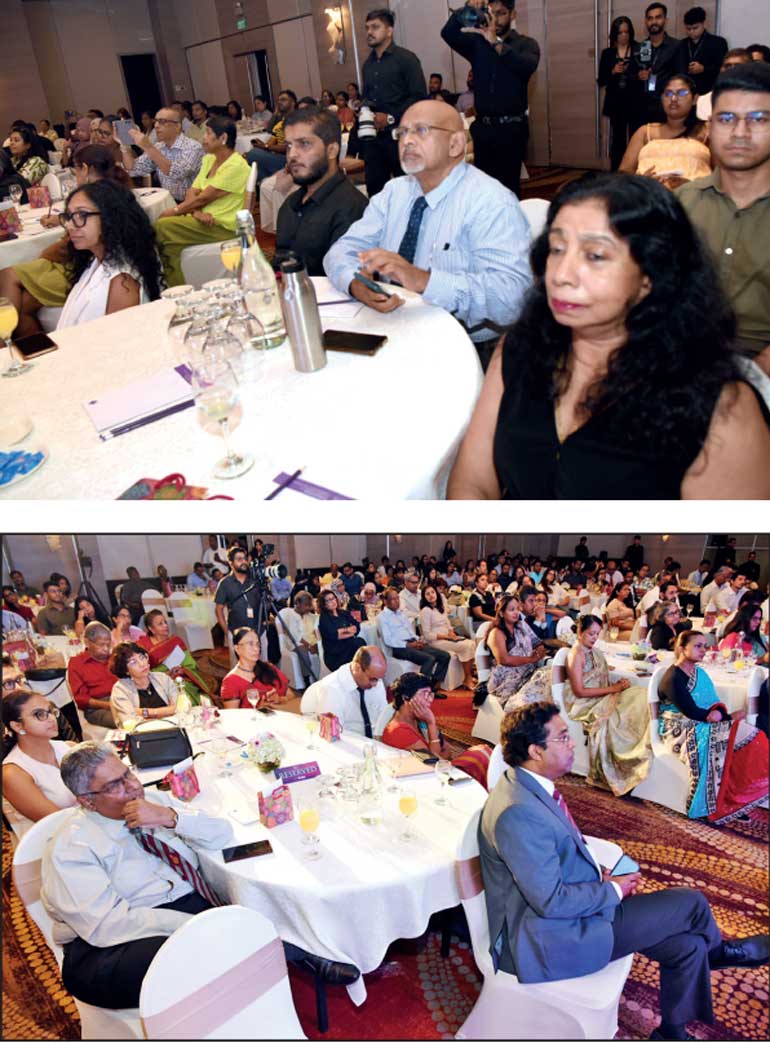
These themes took centre stage at Sleep Conference 2026 – ‘Unlocking the Power of Sleep’, presented by Spa Ceylon with the Sri Lanka Medical Association (SLMA) and partnered by Comfort World, at Cinnamon Grand Colombo recently.
The science-led and lifestyle-focused program brought together medical professionals, wellness experts and industry leaders to explore the science of sleep, its impact on physical and mental wellbeing, warning signs of sleep disorders and practical measures to improve sleep quality, while also examining its growing relevance to wellness and tourism.
SLMA President Dr. Manilka Sumanatilleke said sleep remained fundamental to physical and mental wellbeing but was frequently overlooked.
“Sleep is a fundamental component of good health, with a significant impact on both physical and mental wellbeing. Poor sleep can affect concentration, mood, cardiovascular health, metabolic health and overall quality of life, yet it is often overlooked,” he said.
Sumanatilleke also highlighted the distinction between sleep duration and sleep quality, noting that spending seven or eight hours asleep did not necessarily mean a person was obtaining restorative sleep if it was repeatedly disturbed.
Reflecting on the demanding schedules experienced by doctors, he said healthcare professionals themselves also needed to recognise the importance of managing sleep and recovery.
In ‘Sleep Explained: The Science Behind Sleep’, Consultant Respiratory Physician and University of Moratuwa Faculty of Medicine Senior Lecturer Dr. Ruwanthi Jayasekara explained that humans spend roughly one-third of their lives asleep, reflecting its fundamental biological importance.
She outlined how the body’s internal clock and environmental cues, particularly light and darkness, regulate the sleep-wake cycle. Sleep occurs through different stages, with deep sleep more prominent earlier in the night and rapid eye movement (REM) sleep increasing later.
Jayasekara also challenged the belief that daytime naps could simply replace sleep lost overnight. While naps may temporarily improve alertness, they do not necessarily provide the same progression through restorative sleep stages, while long or late naps can interfere with nighttime sleep.
She highlighted consistent wake times, morning light, physical activity, appropriate caffeine timing and short naps as practical measures supporting healthier sleep.
National Hospital of Sri Lanka Consultant Respiratory Physician Dr. S. Rishikesavan examined the relationship between sleep, memory, focus and emotional regulation, explaining that different stages of sleep support different brain functions, with deep sleep playing an important role in processing and consolidating information.
He challenged the familiar “all-nighter”, noting that while staying awake provides additional study or working hours, sacrificing sleep can come at the expense of the processes needed to consolidate what has been learned. Caffeine may temporarily mask tiredness but cannot replace sleep.
For those struggling to fall asleep, Rishikesavan advised against remaining in bed frustrated or turning to screens. Instead, he suggested getting up for around 20 minutes, keeping the lights dim and doing something quiet and unstimulating before returning to bed when sleepy.
National Hospital of Respiratory Diseases, Welisara Consultant Nutrition Physician Dr. Arunie Malwatta positioned sleep alongside nutrition, physical activity and stress management as an essential component of lifestyle medicine.
She highlighted its role in physical recovery, hormonal regulation, metabolism and appetite, immunity, inflammation and cardiovascular health, stressing that healthy eating and exercise should not be regarded as substitutes for consistently good sleep. Consultant Respiratory Physician and University of Kelaniya Faculty of Medicine Senior Lecturer Dr. Dilesha Wadasinghe urged people not to normalise persistent sleep problems.
Warning signs include chronic difficulty falling or staying asleep, persistent loud snoring, witnessed pauses in breathing or gasping during sleep and excessive daytime sleepiness.
She particularly highlighted the safety implications of daytime sleepiness for drivers and others working in occupations requiring sustained alertness, while encouraging those experiencing persistent symptoms to seek professional assessment.
Moving from medical science to wellness, Spa Ceylon Co-Founder, Wellness Expert and Certified Sleep Coach Shalin Balasuriya demonstrated breathing and relaxation techniques and highlighted the importance of developing a consistent pre-sleep routine.
The session incorporated Spa Ceylon’s sleep wellness range, including sleep mist and body lotion, as part of a broader nighttime ritual centred on relaxation.
Balasuriya said growing awareness of the relationship between sleep, health, recovery and performance had encouraged Spa Ceylon to take the conversation further.
“As sleep becomes an increasingly important part of conversations around health, recovery and performance, we want to take that conversation further – first by creating a meaningful platform in Sri Lanka and then by growing it regionally and internationally,” he said.
The conversation also moved beyond individual wellbeing to the economic potential of sleep, particularly within the rapidly expanding wellness tourism market.
John Keells Senior Vice President – Global Alliances and Partnerships and Head of Corporate Affairs Dileep Mudadeniya highlighted the emergence of sleep tourism as part of the wider global wellness economy.
Figures presented at the conference valued the global wellness economy at around $ 6.8 trillion in 2024, while estimates presented for the sleep-tourism market showed it growing from around $ 74.5 billion in 2024 to $ 92.9 billion in 2026, with projections of approximately $ 149 billion by 2030.
For Sri Lanka, the trend could present an opportunity to combine the country’s established strengths in Ayurveda, wellness, hospitality and experiential tourism with growing international demand for travel centred on rest and recovery.
It could also broaden the traditional concept of wellness tourism, with the quality of the hotel room, bedding, lighting, noise, food, relaxation therapies and overall guest experience increasingly becoming part of the pursuit of restorative sleep.
The physical sleep environment was also discussed by Comfort World Chairman Naushad Mohideen, who argued that a quality mattress should be viewed as a long-term investment in sleep and comfort.
He said Spring Air mattresses supplied through Comfort World had been selected by hotel and resort operators across Sri Lanka, the Maldives and Seychelles, reflecting growing hospitality-sector attention to guest sleep quality.
Ultimately, the conference demonstrated how sleep is moving beyond being viewed simply as a nightly necessity to become part of a much wider conversation around health, wellness, performance, hospitality and travel.
For Sri Lanka, that convergence could offer an opportunity to position rest and recovery more prominently within its wellness tourism proposition, while for individuals the message remains equally important: better sleep is an investment in better health, wellbeing and performance.
- Pix by Shehan Gunasekara
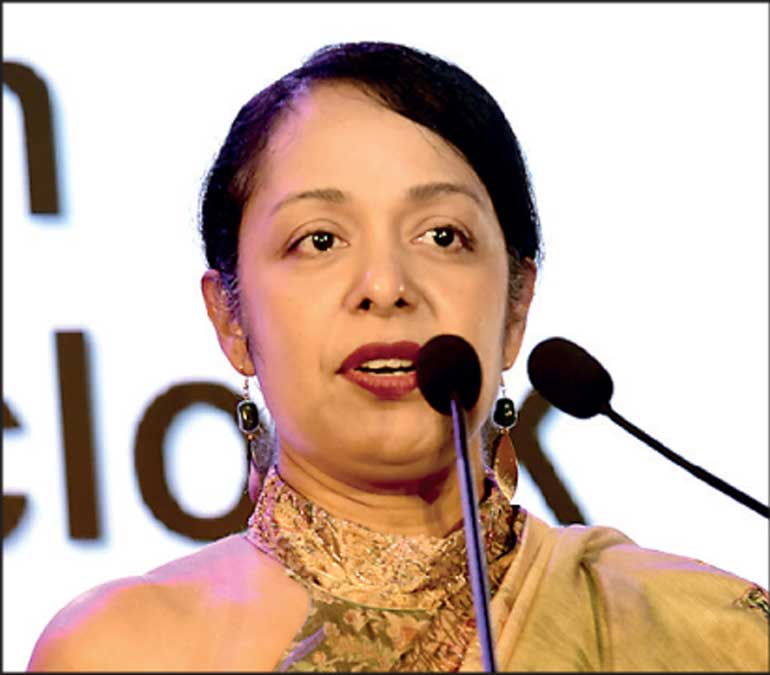
Consultant Respiratory Physician and University of Moratuwa Faculty of Medicine Senior Lecturer Dr. Ruwanthi Jayasekara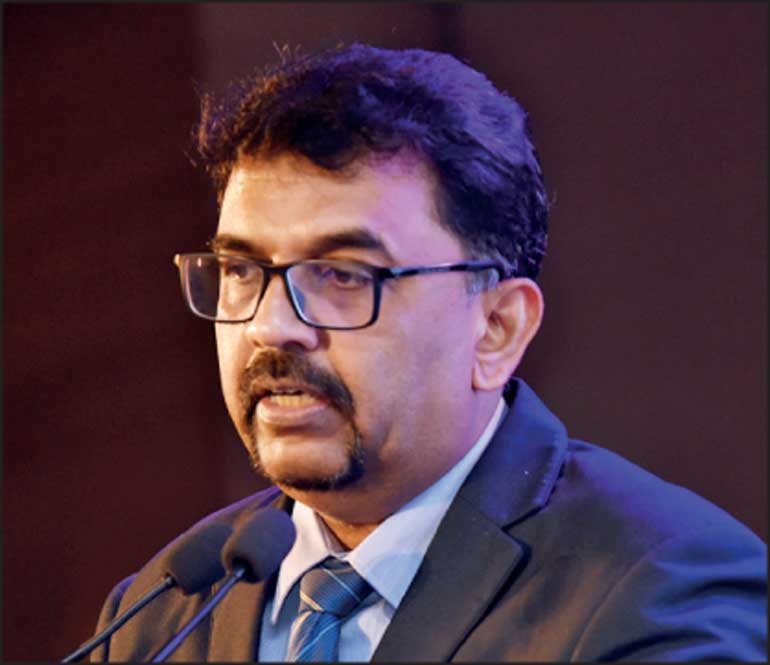
National Hospital of Sri Lanka Consultant Respiratory Physician
Dr. S. Rishikesavan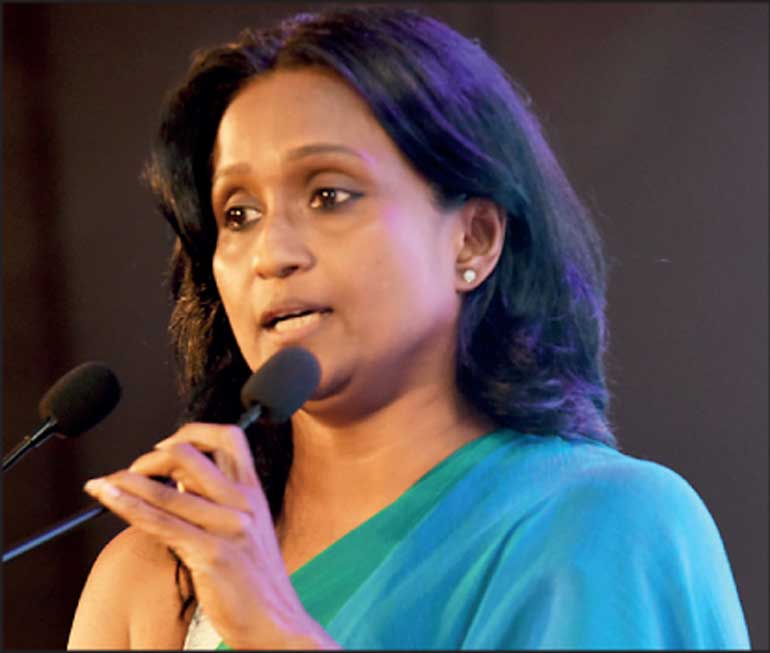
National Hospital of Respiratory Diseases, Welisara Consultant Nutrition Physician Dr. Arunie Malwatta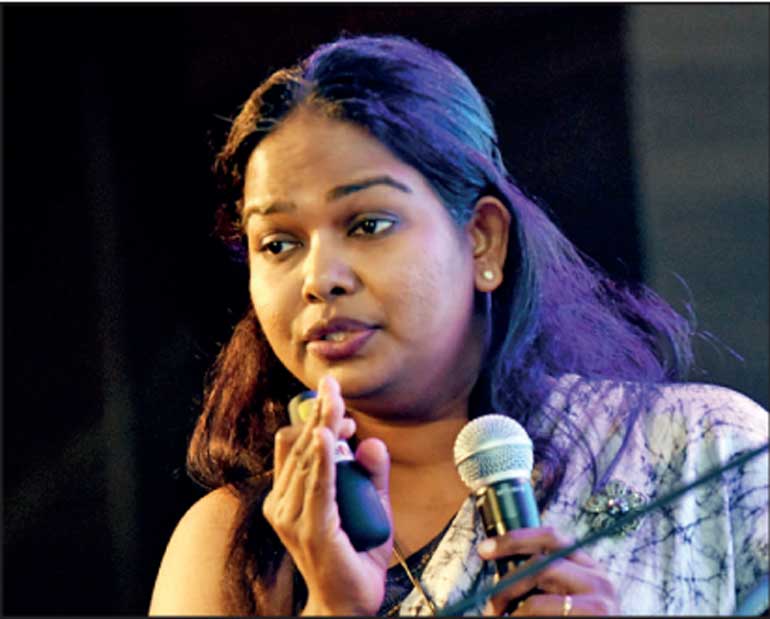
Consultant Respiratory Physician and University of Kelaniya Faculty of Medicine Senior Lecturer Dr. Dilesha Wadasinghe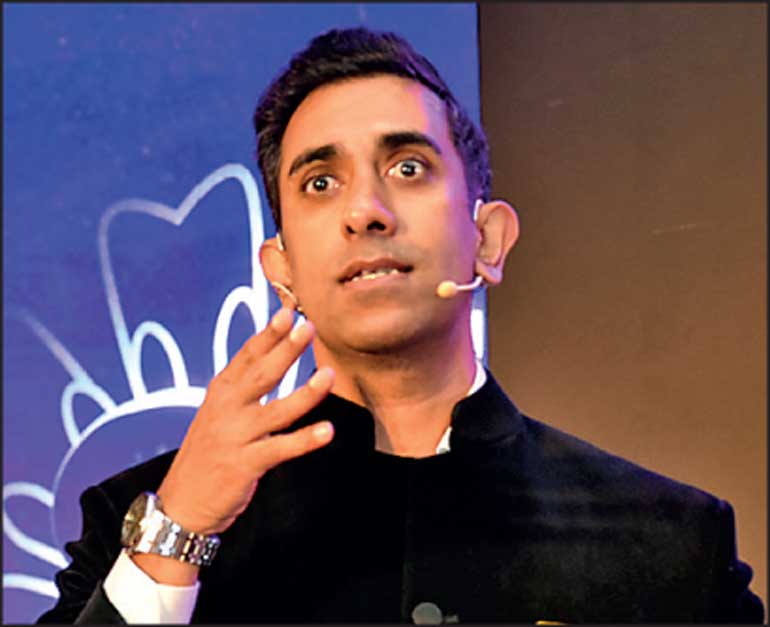
Spa Ceylon Co-Founder, Wellness Expert and Certified Sleep Coach Shalin Balasuriya
John Keells Senior Vice President – Global Alliances and Partnerships and Head of Corporate Affairs Dileep Mudadeniya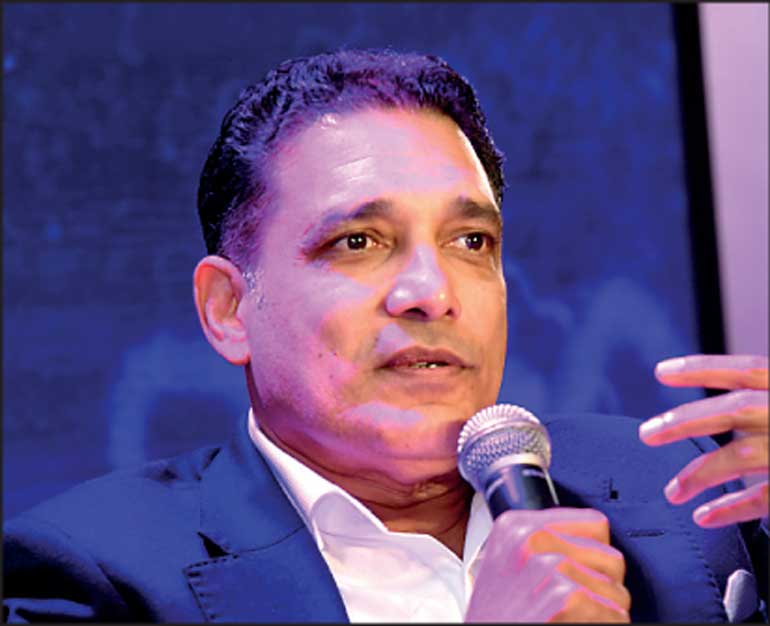
Comfort World Chairman Naushad Mohideen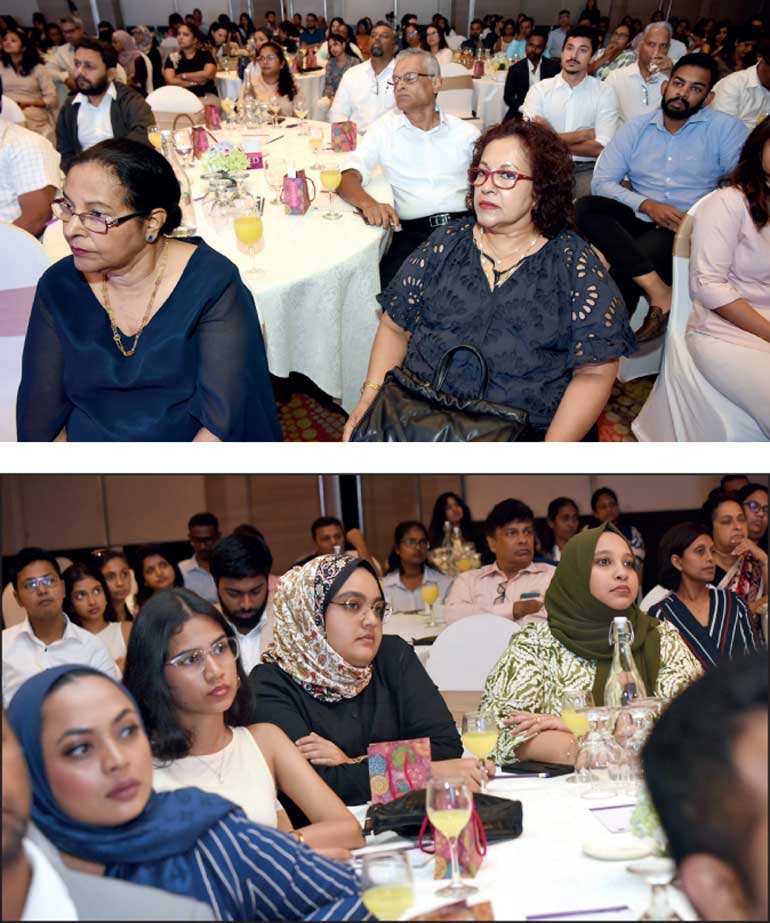

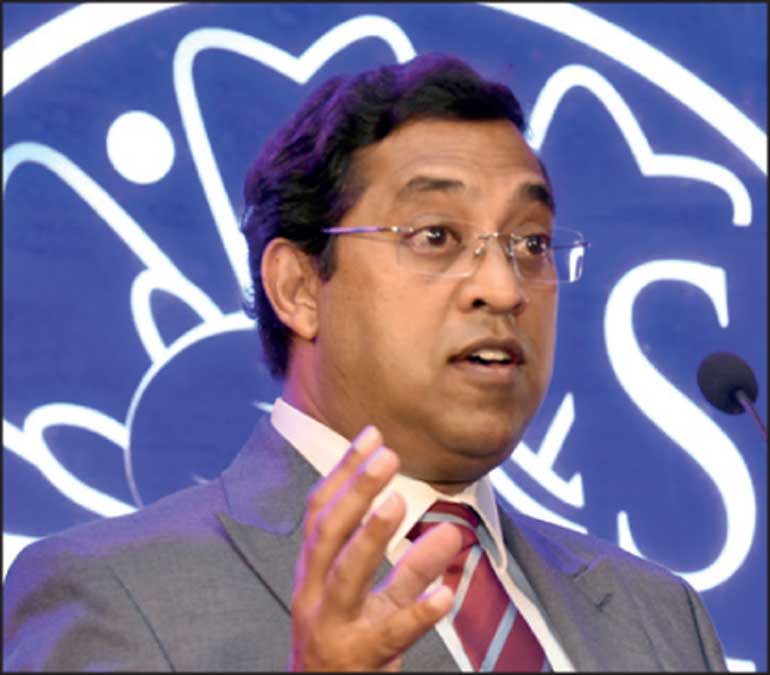 ]SLMA President
Dr. Manilka Sumanatilleke




