Thursday Sep 24, 2026
Thursday Sep 24, 2026
Thursday, 24 September 2026 00:02 - - {{hitsCtrl.values.hits}}
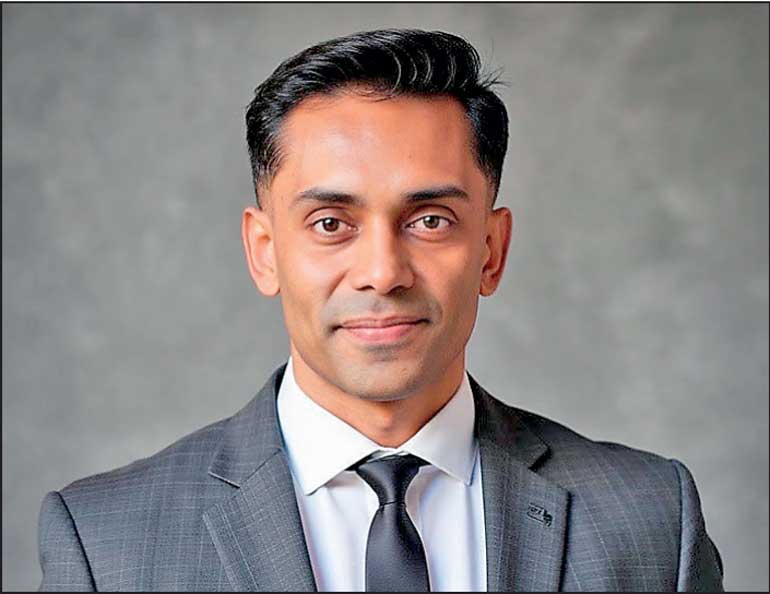
Salesforce Country Lead for Sri Lanka
Pablo Tachil
As Sri Lanka accelerates its digital transformation journey, businesses across sectors are increasingly looking at technology to improve productivity, strengthen customer relationships and build competitiveness. Salesforce Country Lead for Sri Lanka Pablo Tachil discusses the opportunities emerging in the market, the transition from AI experimentation to enterprise adoption, and the importance of building a strong local ecosystem to support sustainable digital growth.
Q: Sri Lanka is entering a new era of digital and economic growth. Where does Salesforce see the biggest opportunities for technology to improve productivity, competitiveness and business growth?
A: One of the biggest opportunities Salesforce brings across the ecosystem is creating a level playing field for businesses of all sizes.
Whether it is large enterprises such as John Keells, commercial businesses, mid-market organisations or SMEs, companies today have access to global, world-class technologies that can help improve customer retention, increase adoption, grow revenue and enhance different aspects of their operations.
The ability for even smaller businesses to access enterprise-grade technology and compete more effectively is one of the biggest opportunities that platforms like Salesforce can enable.
Q: Salesforce has been strengthening its engagement in Sri Lanka. What does the Sri Lankan market represent for Salesforce today, especially considering the presence of other global technology companies?
A: I would not specifically comment on market share in Sri Lanka because I do not think that would be representative at this stage. Salesforce has only been actively engaging with the Sri Lankan market over the past couple of years, with stronger focus during the last 12 months.
However, we believe the timing is right because several factors are coming together.
Sri Lanka is becoming much more digitally mature, and businesses are increasingly understanding what world-class platforms like Salesforce can deliver. Previously, many organisations may not have had access to these technologies, but today they can leverage some of the best solutions available
globally.
Salesforce is the world’s leading CRM platform, and our focus is to bring those capabilities to Sri Lankan businesses. We believe the right elements are coming together, customers, partners and talent, which creates the foundation for long-term growth in the market.
Q: AI is quickly becoming central to enterprise transformation. How prepared are Sri Lankan businesses to move from experimenting with AI towards using it at scale and delivering measurable business outcomes?
A: Experimentation is an important first step. Many organisations are exploring AI tools and understanding what they can do. However, the real value comes when AI moves beyond experimentation and starts delivering measurable business outcomes in production environments.
At Salesforce, our focus is ensuring that AI solutions adopted by customers create tangible business value and generate meaningful returns.
Sri Lanka is also a highly connected market, where success stories can influence wider adoption. This is why having strong lighthouse customers, such as John Keells, is important. When customers succeed and demonstrate real outcomes, it encourages broader confidence and adoption across the market.
Q: What are the main factors enabling or influencing digital transformation among Sri Lankan enterprises?
A: I would not necessarily say that something is holding businesses back. Instead, I see a lot of positive momentum happening across the market.
Digital maturity and adoption are increasing significantly. Businesses are beginning to understand the productivity improvements and business value that technology investments can create.
Another important area is data. Organisations are recognising that their data will become one of their most valuable assets. Establishing the right data foundations today will be critical as businesses move towards larger digital transformation initiatives.
I have seen many organisations putting significant thought and effort into building these foundations, and that is an encouraging sign.
Q: As Salesforce supports Sri Lanka’s next chapter of digital growth, what role will customers, partnerships, talent development and the wider technology ecosystem play?
A: These elements will play one of the biggest roles in Salesforce’s growth journey in Sri Lanka.
Customers are obviously central. Sri Lanka is a very connected market, and successful customer journeys create confidence across the wider business community.
At the same time, our implementations, deployments and customer success initiatives are typically supported by partners and startups. We are placing strong emphasis on developing this ecosystem and have been engaging with many partners over the past several months.
We are also focusing on the developer community through initiatives such as YAL Learning, and we are looking at launching Trailhead Academy and Trailblazer communities in Sri Lanka.
Building this ecosystem will be essential to ensuring customers succeed and that the broader digital economy continues to grow.
Q: You mentioned plans to launch the Trailblazer community. How will this support Sri Lankan startups and the wider technology ecosystem?
A: Some of the smartest people I have worked with over the past 23 years have been from Sri Lanka. I have seen many talented
individuals doing remarkable work here.
Communities such as Trailblazer will encourage more people to learn technology, understand how it can solve customer challenges and identify new business opportunities.
We also believe there is an opportunity to build a Salesforce economy in Sri Lanka. By developing Salesforce skills, people can support local customers as well as organisations globally.
This creates a positive cycle, more skilled professionals support more businesses, which creates more opportunities and continues to expand the ecosystem.
Q: Would you like to add anything in closing?
A: We are very excited about the Sri Lankan market. Our focus is to work closely with customers and partners, support their success and help organisations leverage technology to achieve their business goals.




