Saturday Sep 26, 2026
Saturday Sep 26, 2026
Wednesday, 28 January 2026 13:24 - - {{hitsCtrl.values.hits}}
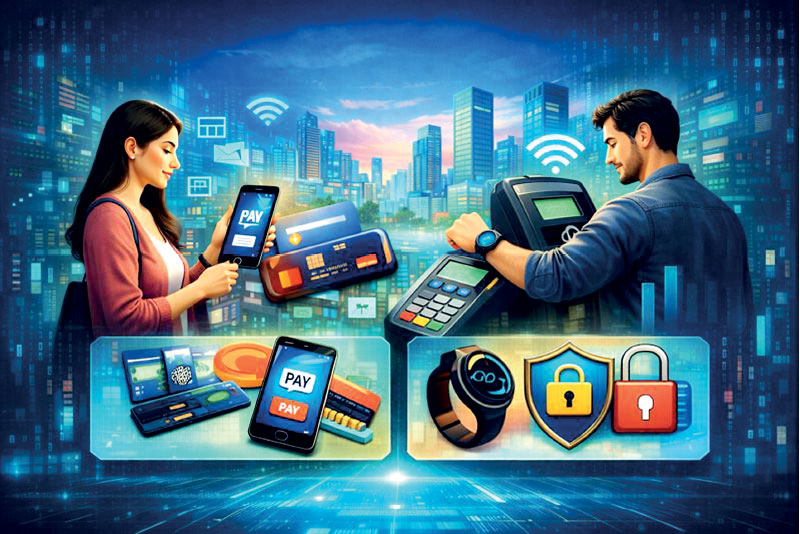
The queue at my local takeaway food stall stretches onto the pavement. It’s a Tuesday night, and everyone’s clutching their phones, waiting to pay for burgers, kottu, fried rice, or that essential packet of dinner. The elderly shopkeeper squints at each QR code through his reading glasses, occasionally asking someone to hold their screen steadier. Two years ago, he only accepted cash. Now, even he’s gone digital.
This scene plays out across Colombo, Kandy, Galle, and even the smallest towns in our island. We’re heading toward a cashless economy, whether we’re ready or not. But are we truly prepared for what this means?
The transformation has been remarkable. Remember when getting change was a daily battle? When did conductors on buses carry bags bulging with notes and coins? Those days are fading fast. Digital payments have exploded since the pandemic, and there’s no going back. From three-wheeler rides to temple donations, almost everything can now be paid for with a tap or scan.
The convenience is undeniable. Nowadays, we don’t have to worry about exact change for our groceries or carry a bulky wallet when taking our family out for shopping.
Many people are running small online businesses entirely through mobile payments. They never touch cash from a customer, yet their businesses thrive.
But here’s something that bothers me all the time: most of our parents still prefer cash. They are educated, tech-savvy enough to video call their grandchildren in Australia, yet trust the weight of notes in their purse. “What if the system crashes?” is what mostly bothers them. They may ask you, “What if someone hacks my account?” These aren’t irrational fears from someone stuck in the past. They are the most common concerns that keep many Sri Lankans away from cashless transactions.
Also, there’s a big difference in the way people think between major cities and rural areas. While a person from Colombo prefers contactless payments and digital wallets, a person from a faraway village will still prefer cash.
Think about the daily vendors at our vegetable market or weekly pola. It is not an easy task for him to go ahead with digital payments because not all his customers may carry a smartphone, and he may also not be familiar with using one for his transactions
Security concerns aren’t paranoia either. We’ve all heard stories of phishing scams, unauthorized transactions, and accounts mysteriously drained. You may be familiar with stories like people receiving calls from someone claiming to be from their bank, nearly convincing them to share their OTP. Some may catch on just in time, but many aren’t so fortunate. As we move toward a cashless economy, we become increasingly vulnerable to sophisticated fraud.
Then there’s the question of privacy. Every digital transaction leaves a trail. While this can help track illegal activities and improve tax collection, it also means someone, somewhere, knows exactly what you’re buying, when, and where. In a cash transaction, your business stays your business. In a digital one, it’s recorded, analyzed, and potentially used in ways you never consented to.
But we cannot ignore the benefits. Digital payments reduce the risk of theft and make corruption harder to commit. They have helped informal economies to transform into the formal sector, potentially increasing government revenue for essential services. When businesses go cashless, they can cut down on time counting notes and on making fewer trips to the bank.
In situations like an economic crisis, ATMs can go dry, and cash can become scarce, but digital payments can keep commerce moving. People who do not want to go cashless suddenly will have no choice, and ultimately, they may realize it is not as frightening as they’d imagined.
So where does this leave us? Whether we feel ready or not, the truth is, we’re moving toward a cashless economy. We need to educate our elders and rural communities on these rising technologies, and infrastructure facilities should be improved in order to get better internet coverage islandwide. Online banking apps that can be easily downloaded to any smart device can actually give easy access to banking, especially for those who have to travel miles to a bank.
Also, cybersecurity awareness should be taught in schools, and consumer protection laws need strengthening to address digital fraud.
We can always choose between cash and digital and create a system where both can coexist. So that any vendor can scan QR codes as well as accept a hundred-rupee note without any issues. Where progress doesn’t mean exclusion.
Are we ready for a cashless economy? Some of us are. But still, many aren’t. The real challenge is making sure we all get there together, bringing everyone along on this digital journey. Because an economy cannot cater to a selected group and ignore the rest.
MP




