Friday Oct 16, 2026
Friday Oct 16, 2026
Thursday, 21 May 2026 15:12 - - {{hitsCtrl.values.hits}}
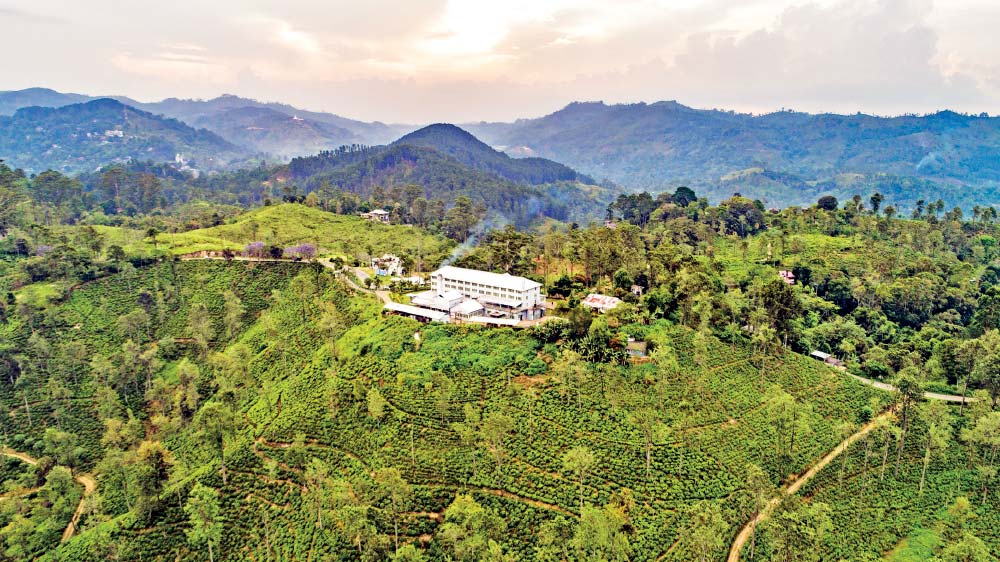
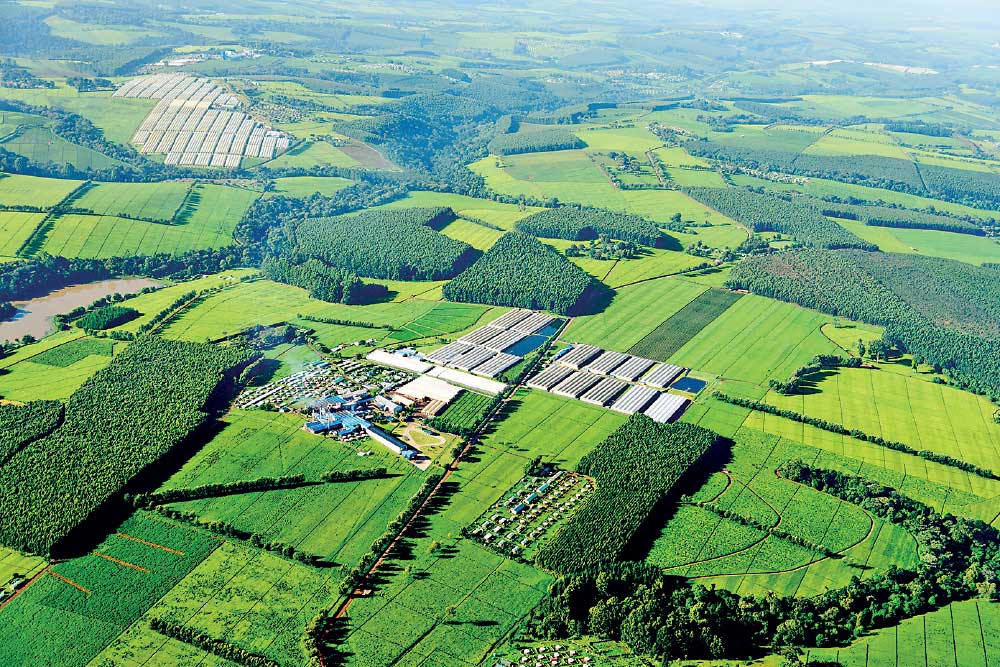
At a time when the global tea industry is being reshaped by changing consumer expectations, climate realities, technological disruption and sustainability pressures, Browns Plantations PLC is positioning itself not merely as a participant in the sector’s evolution, but as one of its architects. What is emerging within the Group is not a traditional plantation company modernising at the margins. It is the transformation of a legacy industry into a globally integrated, technology enabled and sustainability driven enterprise built for the future. With operations spanning 75 estates and 35 factories across Sri Lanka, Browns Plantations has established itself as one of the country’s largest plantation groups, operating through Hapugastenne Plantations PLC, Udupussellawa Plantations PLC, Maturata Plantations PLC, Pussellawa Plantations Limited and Tea Smallholder Factories PLC. Yet scale alone is no longer the defining story.
The more significant narrative lies in how the company is redefining plantation management itself.
Over the past several years, Browns Plantations has quietly accelerated a broad operational transformation strategy that integrates automation, digitisation, renewable energy, precision agriculture and data intelligence across its value chain. In doing so, it is challenging long held assumptions about what a plantation business can become in the twenty first century.
Its international expansion has been equally deliberate. Through strategic investments and operational presence in key tea producing regions including Kenya, Tanzania, Rwanda and China, the company has evolved into a globally connected plantation enterprise with diversified sourcing and production capabilities across multiple geographies. The successful acquisition and integration of the historic James Finlay Kenya operations further enhanced by the acquisition of the massive group of estates formerly owned by the well-known tea company namely Liptons, marked a defining step in that journey, significantly strengthening the Group’s international profile and operational reach.
Today, Browns Plantations produces approximately 17 million kilograms of tea annually in Sri Lanka, while its combined operations across Sri Lanka, Kenya, Tanzania, Rwanda and China contribute over 100 million kilograms of tea production globally. The company has also established a growing presence within the specialty tea segment, producing nearly 400,000 kilograms of green tea annually in Kenya alone as it responds to evolving global consumer preferences and demand for diversified tea offerings. The introduction of much larger volumes of orthodox long leaf black tea production adds heavily to the mooted improvements.
Behind this scale is a deeply operational mindset focused on efficiency, traceability and long term competitiveness. Across estates and factories, Browns Plantations has introduced digitised weighing systems, automated transaction processes and facial recognition technology to strengthen workforce management and operational accountability. Dispatching and sorting systems have also been digitised, streamlining the movement of green leaf and finished products while improving turnaround times and quality assurance standards.
Inside its factories, digitisation is transforming conventional production environments into intelligent operational ecosystems. Real time monitoring systems now provide greater visibility across production processes, enabling stronger consistency, faster decision making and more responsive quality control mechanisms. Centralised digital dashboards further allow leadership teams to monitor estate and factory performance across multiple locations simultaneously, creating a level of operational visibility previously uncommon within the plantation sector.
The commercial side of the business is evolving in parallel. The introduction of online selling platforms has modernised market engagement, improving transparency, speed and market accessibility while strengthening end to end traceability throughout the value chain. Collectively, these changes represent something larger than operational improvement. They signal the emergence of a plantation model increasingly shaped by data, automation and integrated systems thinking.
Importantly, innovation within Browns Plantations is not outsourced. Dedicated internal technology and innovation teams are currently developing the next generation of mechanised and digital plantation solutions specifically designed for estate operations. These initiatives include drone technology for estate monitoring and precision agriculture, mechanical harvesters designed to improve harvesting efficiency and advanced foliar spraying systems aimed at optimising field management practices while reducing operational strain.
The company’s long term strategy reflects a clear understanding that future competitiveness in agriculture will increasingly depend on the intelligent integration of sustainability, technology and productivity. Yet despite this modernisation agenda, Browns Plantations remains deeply anchored in the heritage and reputation of Ceylon Tea. The Group continues to invest significantly in quality assurance, workforce development and environmentally responsible production practices aligned with evolving international standards and consumer expectations.
Its sustainability agenda extends well beyond compliance. Browns Plantations has invested extensively in renewable energy infrastructure, including hydropower generation and solar rooftop installations across estates and operational facilities. These investments form part of a broader strategy aimed at reducing environmental impact while strengthening long term energy resilience across the business.
The company has also emerged as a progressive force in workforce transformation within the plantation sector. In a landmark move for an industry historically dominated by men, Browns Plantations became one of the first plantation groups in Sri Lanka to appoint female superintendents to oversee estate operations. More importantly, those appointments were not symbolic. They reflected a wider institutional commitment to building a more inclusive leadership culture based on capability, merit and long term opportunity creation.
That philosophy continues to shape recruitment and talent development across the Group’s operations, reinforcing Browns Plantations’ position as an equal opportunity employer committed to strengthening diversity throughout its workforce and leadership pipeline.
Sustainability leadership within the Group also gained global recognition through Chairman Dr Pradeep Uluwaduge, who became the first plantation company chairman in the world to receive the Climate Neutral Citizen Certification. The recognition reflects not only personal leadership, but also the organisation’s wider commitment to advancing environmental responsibility and ESG integration across its operations.
At a global level, the tea industry is entering a period of structural change. Climate volatility, labour challenges, changing consumer behaviour and increasing sustainability expectations are reshaping the future of agricultural production worldwide. Many traditional plantation models are struggling to adapt.
Browns Plantations is taking a different path. By combining the heritage of one of Sri Lanka’s most iconic industries with advanced operational systems, global integration and sustainability driven innovation, the company is positioning itself not simply to navigate change, but to help define the next era of tea.
On International Tea Day, Browns Plantations therefore represents more than a plantation business. It represents a broader possibility for the future of agriculture itself — one where tradition and technology do not compete, but evolve together.




