Saturday Sep 05, 2026
Saturday Sep 05, 2026
Tuesday, 31 March 2026 04:33 - - {{hitsCtrl.values.hits}}
By Dr R S Mawjood
Consultant Chest Physician
 For decades, Governments around the world have tried to reduce smoking by fighting it on every possible front – higher taxes, advertising bans, packaging restrictions, public-place prohibitions and increasingly strict regulation of nicotine products themselves. The outcomes however, have been mixed, with some countries making dramatic progress, while others despite the same effort, are still fighting the same battle.
A recent report titled ‘Tale of two nations’ published by the advocacy group Smoke Free Seweden (‘SFS’) highlights how two countries (Sweden and Sri Lanka) that once had similar smoking rates have since taken very different paths.
Just over a decade ago, Sri Lanka and Sweden were not worlds apart in smoking prevalence. Today, Sweden has reduced adult smoking down to 5.3% - the lowest in the European Union (‘EU’) and hovering around the global benchmark for ‘smoke-free’ status. Since 2011, Sweden has seen a 54% reduction in smoking and a male lung cancer death rate 61% lower than the EU average. Sri Lanka, however, has only seen a 17% reduction in smoking across the same period and maintains a steady 13.9% daily smoking rate among men. According to the report, this divergence did not happen by accident. Let me elaborate.
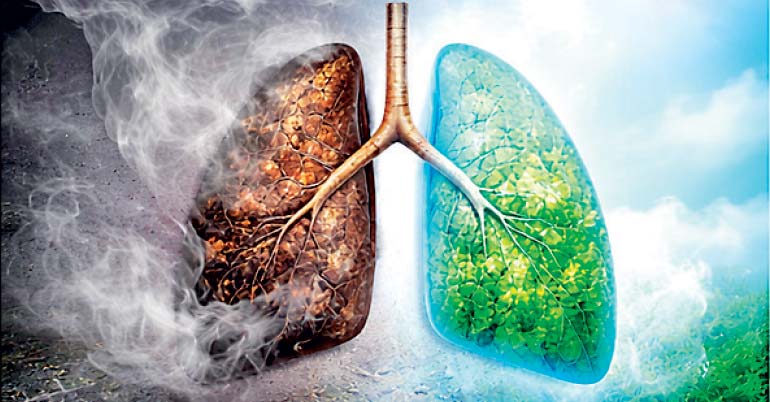
SFS, the organisation behind the study, is an international advocacy, initiative that promotes tobacco harm-reduction strategies based on Sweden’s [positive] experience. Its central argument is simple – the overwhelming health risks of smoking come primareily from the combustion of tobacco, rather than from nicotine itself.
Smoking is not a singular act and a cigarette is not a homogenous product. Buried at the heart of this chain of acts and heterogenous composition, there is a single load bearing pillar -combustion. Many countries have chosen to wage war against every link of this chain and every material that goes into producing cigarettes. Demonising nicotine, banning flavors, restricting devices, ostracising users and policing behavior, are all uncoordinated and sporadic efforts taken with the hope that in the ‘smoke’ of battle, by some stroke of luck, smoking rates may happen to decline.
Sweden on the other hand, identified the decisive point. They decided that taking the ‘smoke’ out of ‘smoking’ was the way to go and channeled the full force of their regulatory armor towards this. The lesson to be learnt here is that overall success is not based on the volume of battles you fight (and win), but rather on which battles you chose to fight. Overwhelming clarity of purpose helped Sweden achieve their goals – they prioritised obtaining this clarity so much so that in 2024, Sweden’s Parliament even shifted its tobacco policy goal from ‘reducing use’ to ‘reducing harm,’ which albeit subtle, was a seismic change in philosophy. As such the first step for any country looking to emulate Sweden’s success should be to identify what their desired outcomes are.
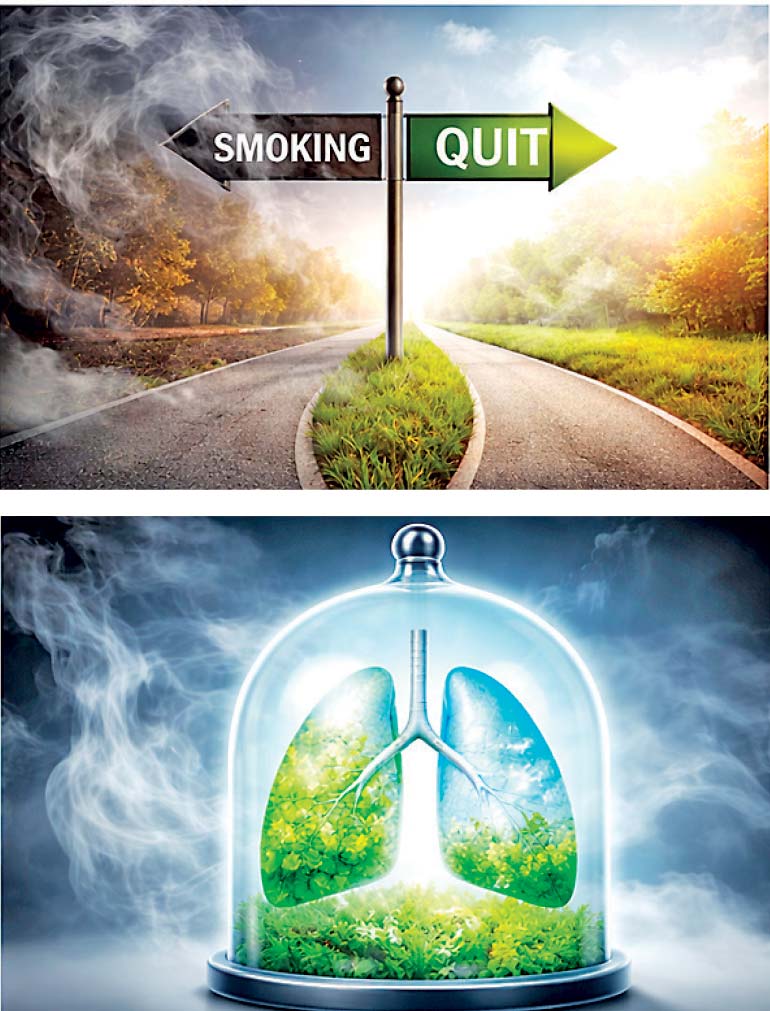
The Swedish playbook reads less like prohibition and more like pragmatism. Picture this – as a smoker, you’re flung onto this tobacco fueled expressway. But then the Government decides to close all entry and exit points. While it’s an encouraging sign to prevent non-smokers from getting on, now you’ve got (about) 1.5 million smokers going back and forth on this expressway with no way out. What Sweden did different was, while measures like proportionate taxation blocked new entrants, legal access to smoke-free alternatives and permitted advertising to inform smokers of safer alternatives and possible exit ramps gave the existing smokers a way out. It took a consortium of State-driven efforts for Sweden to get to the cusp of ‘smoke-free’ status, and nothing short of the same will be needed if Sri Lanka intends on going smoke-free too.
Unfortunately, Sri Lanka seems to be heading in the opposite direction – in contrast Sri Lanka has banned heated tobacco and oral tobacco products and nicotine-based alternatives operate in what can only be described as a regulatory vacuum (the perils of regulatory vacuums have been discussed at length in other articles in circulation).
The salient message of the report is not that nicotine is harmless or that regulation should be laxer. It is that treating all nicotine products as morally indistinguishable from combustible cigarettes defies both science and mathematics. Sweden did not become Europe’s poster child for smoke-free success by wishing smoking away. It offered smokers safer, smoke-free alternatives.



