Sunday Sep 13, 2026
Sunday Sep 13, 2026
Thursday, 23 July 2026 00:00 - - {{hitsCtrl.values.hits}}
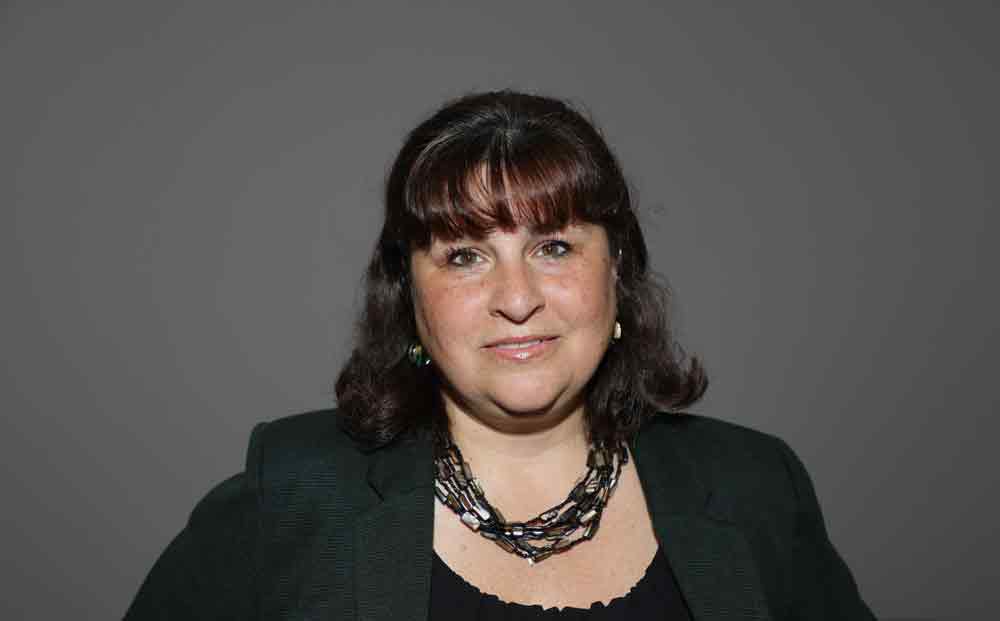
British American Tobacco’s Head of Scientific Engagement, Marianna Gaca
The scientific community together with the industry and innovation have made significant strides in reducing smoking-related harm, as more people switch from combustible cigarettes to reduced risk profile products. However, in some countries, policymaker and public awareness of tobacco harm reduction – or smokeless nicotine products – is slow, as cigarettes are intrinsically linked with nicotine historically. While nicotine is addictive and not risk-free, it is not listed as a known carcinogen by the WHO,
British American Tobacco’s Head of Scientific Engagement, Marianna Gaca, avers it is critical to decouple smoking from nicotine. She notes that nicotine is not the primary cause of smoking-related chronic diseases, but that the misconceptions are so entrenched that harm reduction products have become difficult to discuss with regulators, despite roughly 5 million smoking-related mortalities annually.
“When you light a cigarette or tobacco, it is one of the most complex reactions. In a couple of seconds, in the smoke that is generated, there are over 7,000 substances that are formed the consumer will inhale. Of those substances about 150 are known to be toxins, and some of these are carcinogens. You really have to decouple smoking and nicotine,” she said.
Tobacco harm reduction is a topic that governments, and public health practitioners, should open doors to, but the experience thus far has been quite different. Speaking on the sidelines of the Global Nicotine Forum in Warsaw, Gaca noted it is a difficult message to deliver. However, when policymakers are engaged one-on-one with the science and are taken through the story, they see and understand the story much better.
“For the regulation of tobacco harm reduction products, there is a trajectory for any country and environment. If you consider the model risk continuum, many people would recognise these products – from vape, to heated products to nicotine pouches as potentially lower-risk alternatives to cigarettes. Cessation of smoking is the preferred approach of course.”
As a microbiologist and expert on cell and molecular biology, Gaca, stressed the importance of providing smokers with potentially reduced risk alternatives that conform to high-quality standards and ingredients. Cigarettes remain the market leader globally. She points to the downstream consequences of prohibitionist regulations that have led to increases in the illicit trade of cigarettes and vapor products.
“We must go to the science to really help us understand the difference between combustibles, and smokeless tobacco and nicotine products, as you would find the data quite compelling. Within BAT alone we have over 250 publications in the space of non-combustible products, and we have a series of steps and an assessment framework that we take our product through.”
“But emissions alone are not enough, we must go to the lab and understand the biological impacts of reductions in emissions. The clinical studies we do with adult consumers help us assess the different biomarkers in the body,” Gaca said, explaining the rigorous checks and balances that take place.
Gaca closed by explaining that the model risk continuum for tobacco and nicotine products is not an industry construct, but a framework designed by two eminent public health scientists. She noted that nicotine pouches or oral tobacco products like Snus as used in Sweden consistently appear in research for harm reduction globally, and are expected to play an important role in reducing smoking related harm globally.




