Tuesday Sep 29, 2026
Tuesday Sep 29, 2026
Monday, 28 September 2026 04:45 - - {{hitsCtrl.values.hits}}
 The Nawaloka Colombo Stroke Unit is structured to coordinate the patient journey from the first point of contact. The process may begin with the hospital ambulance service, where trained personnel identify suspected stroke patient, provide safe transfer and continuous communication with the receiving team during whole journey. Early notification enables the Emergency Treatment Unit (ETU) to prepare for rapid assessment and activate the relevant clinical services avoid delays. Pre-hospital assessment, safe ambulance transfer and direct access to urgent imaging are key elements of modern stroke management pathways
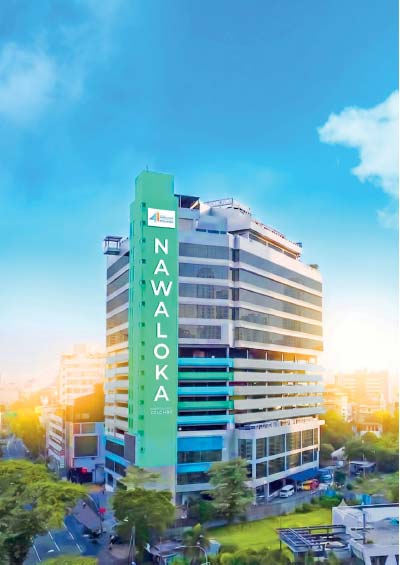 As Nawaloka Hospitals - Colombo marks another milestone anniversary, it reaffirms its commitment to advancing healthcare services for patients and families throughout Sri Lanka. A significant part of that commitment is the introduction of a dedicated Stroke management unit, designed to provide rapid, coordinated and comprehensive care for patients experiencing a stroke.
A stroke is a medical emergency that occurs either when blood flow to part of the brain is blocked or when a blood vessel in the brain ruptures and causes bleeding. In both situations, brain cells can be damaged within minutes. Early recognition, immediate safe transport, urgent radiological imaging and prompt treatments are therefore essential survival for reducing disability and supporting a patient’s return to normal life. Specialist stroke management unit care supported by a multidisciplinary team is widely recognised as an important component of effective stroke management.
The Nawaloka Colombo Stroke Unit is structured to coordinate the patient journey from the first point of contact. The process may begin with the hospital ambulance service, where trained personnel identify suspected stroke patient, provide safe transfer and continuous communication with the receiving team during whole journey. Early notification enables the Emergency Treatment Unit (ETU) to prepare for rapid assessment and activate the relevant clinical services avoid delays. Pre-hospital assessment, safe ambulance transfer and direct access to urgent imaging are key elements of modern stroke management pathways.
On arrival at the ETU, patients will be assessed promptly by emergency medical team. CT brain imaging plays an essential role in determining whether the stroke is caused by a clot or bleeding, as these conditions require different treatment decisions. Where clinically appropriate, further imaging and specialist review may support consideration of advanced therapies. Current stroke guidance emphasises immediate brain imaging for patients who may be eligible for time-sensitive interventions.
The unit brings together the expertise of emergency physicians, neurologists, radiologists, interventional radiologists, nursing teams, CT and catheterisation laboratory technical staff, ICU team, physiotherapists, occupational therapists, speech and language therapists, dietitians and other allied healthcare professionals. This team-based approach supports not only urgent diagnosis and timely treatment, but also prevention of complications, early rehabilitation, safe discharge planning and long-term continuity care.
As a method of treatment, Nawaloka’s interventional radiology and catheterisation laboratory capabilities may facilitate minimally invasive clot removal procedures, including mechanical thrombectomy, when clinically indicated. Such decisions are made following specialist assessment, appropriate imaging and careful consideration of individual patient safety and suitability.
The introduction of the Stroke Unit is a meaningful anniversary milestone for Nawaloka Hospitals Colombo. It reflects the hospital’s continuing investment in coordinated services that connect ambulance care, Emergency care, CT imaging, specialist intervention and rehabilitation under one patient focused pathway. As the hospital celebrates its anniversary, the new unit stands as a practical expression of its ongoing mission to deliver advanced, accessible and compassionate care to the community it serves.
Remember the warning signs: sudden facial drooping, arm weakness, speech difficulty, loss of balance, sudden vision changes or a severe sudden headache. If stroke is suspected, seek emergency medical assistance immediately. Do not wait for symptoms to improve.




