Saturday Jun 13, 2026
Saturday Jun 13, 2026
Thursday, 29 January 2026 10:33 - - {{hitsCtrl.values.hits}}
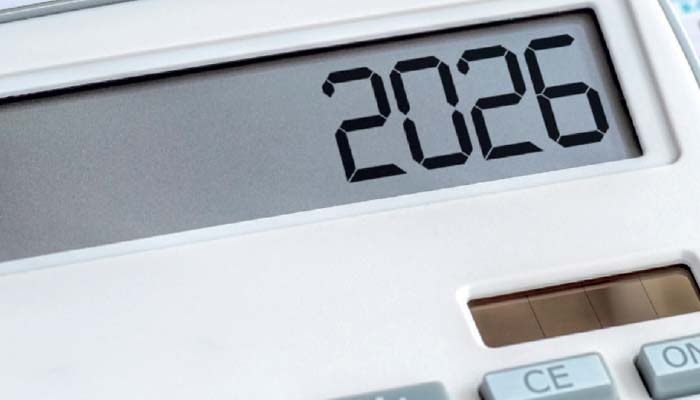 There is a new financial feeling to this year so far. What we need to know is how to save money daily. From anyone simply looking for the most effective 2026 money-saving tips to those putting real plans in place for building a financial buffer, we’re all entering the era of the ‘intentional consumer’. Today, it’s the small, daily habits that are your strongest saving weapon.
Making 2026 your financial year
The people set to win financially aren’t necessarily the ones with the highest salaries. They are the ones with the best daily money habits. If you want 2026 to be the year your savings start to make you smile rather than want to scream, then this is your guide to the latest everyday ‘ins’ of personal finance.
The ‘ins’: money saving tips to try in 2026
1. Loud budgeting
Until recently, talking about money has been a social taboo. In 2026, ‘loud budgeting‘ is finally in. It may seem like a trivial TikTok trend, but the practice of being vocal and unapologetic about your financial boundaries is actually a revolutionary money-saving hack.
Loud budgeting removes the ‘shame’ from saving and turns financial health into a shared value. When you ‘budget out loud,’ you often find your friends are relieved to have a cheaper option, too.
2. The “round-up” resolution
Micro-saving is the ultimate ‘set it and forget it’ tool for 2026. One clever habit to adopt, especially with today’s cost of living, is rounding up every transaction to the nearest Rupee. It is the modern equivalent to the old-school penny jar. A simple but savvy savings ‘in’ for 2026!
3. Tactical yellow sticker shopping
Our supermarket habits have shifted. In 2026, there is no stigma in ‘hunting the sticker’; with the cost of food and everyday essentials increasing, we all want to find the best markdowns.
Pair this with the self-restraint to stop impulse spending by checking what you already have before you shop, and you could reduce your monthly food bill by as much as 30%.
4. Checking in before checking out
Online shopping is designed to be impulsive. It’s called ‘retail therapy’ for a reason – research suggests there’s significant therapeutic value to shopping, because our brains release ‘happy hormones’ like dopamine, serotonin, and endorphins thanks to that hit of instant gratification brought about by ordering an item.
This is why the final money-saving ‘in’ is the 24-hour cooling-off period – having a thorough check-in with yourself before clicking ‘proceed to checkout’. When you see something you want, add it to your basket, then minimise the tab. If you still feel that ‘want’ 24 hours later and the purchase is within your means, you can think about ordering it. More often than not, however, the dopamine hit wears off, and you decide you don’t actually need the item.
You don’t have to become a financial expert overnight this year. You just need to master that mindset switch: the recognition of financial wellbeing being formed through daily habits.




