Saturday Nov 14, 2026
Saturday Nov 14, 2026
Saturday, 14 November 2026 00:00 - - {{hitsCtrl.values.hits}}
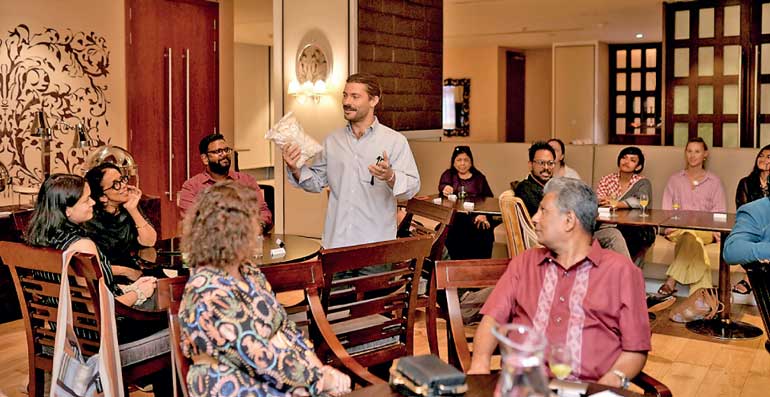
What if the future of traditional craft lies not simply in preserving the past, but in rethinking how countries collaborate, create value and compete in global markets? This question brought together an influential cross-section of diplomatic, business, academic and creative leaders from India and Sri Lanka at Pullman Colombo Hotel, recently for the inaugural India–Sri Lanka Craft Futures Dialogue.
With international representatives from the Indian High Commission, the European Union, the Italian diplomatic community, and Indian business leaders, along with prominent figures from the apparel industry, trade and investment, design, and traditional crafts, the gathering discussed a challenged familiar narrative: that preserving cultural heritage alone is enough to secure its future.
International contributors included Indian craft specialist and educator Prof. Juhi Pandey; artist and researcher of indigenous knowledge systems Dr. Madan Meena; Women in Cotton’s Rebecca Owen; MARU, an initiative reintroducing cotton cultivation in Sri Lanka, Co-founder Nick Baker; and Selyn second-generation leader Selyna Peiris.
The gathering also brought together trade economist Anushka Wijesinha, Indian CEO Forum President Kishore Reddy, Lanka–India Business Association President Santhosh Menon, investor, and Hirdaramani’s Piyumi Perera, alongside leading creative figures from Barefoot, Buddhi Batiks, Good Life X, House of Lonali, Sonali Dharmawardena and the University of Moratuwa. Moderated by The Institute for Future Creations (TIFC) Co-founder Robert Meeder, and organised by the Chamber of Ethical Lifestyle Enterprises (CELE), the dialogue explored how India and Sri Lanka could move beyond competition towards a more connected regional creative economy, building on their shared histories, distinct cultural identities and complementary strengths.
The discussion raised uncomfortable but necessary questions. Has Sri Lanka sufficiently recognised and communicated the value of its own craft heritage? Why are traditional skills disappearing while demand for authentic, responsibly made products continues to evolve? And could closer cooperation with India unlock opportunities that neither country could achieve as effectively alone?
Participants explored the need to map and document regional craft identities, strengthen apprenticeships, protect traditional knowledge and develop new commercial partnerships. Opportunities ranged from collaborative collections between Indian and Sri Lankan designers to textile innovation, sustainable materials, knowledge exchange and access to India’s diverse consumer markets.
Importantly, the conversation moved beyond individual brands and initiatives to the wider systems needed to sustain creative livelihoods, recognising that cultural preservation, education, trade, policy, and economic development cannot be addressed in isolation.
Departing from conventional conference formats, the gathering was designed as an intimate, participatory exchange, encouraging open dialogue between individuals who rarely find themselves around the same table. This approach marks the beginning of a proposed series of international gatherings intended to connect countries, disciplines and institutions around shared challenges within the creative and cultural economies.
The discussions will inform a forthcoming strategic paper that examines opportunities for India–Sri Lanka collaboration, identifies systemic challenges, and proposes practical pathways for knowledge exchange, market development, and institutional partnerships.
Supported by The Institute for Future Creations (TIFC), CELE and Selyn, the inaugural dialogue signals a broader ambition to move beyond conversations about saving craft and build the conditions for craft communities, their knowledge and their industries to thrive. The question is no longer simply how to preserve traditional craft, but how to ensure it has a meaningful place in the economies of tomorrow.
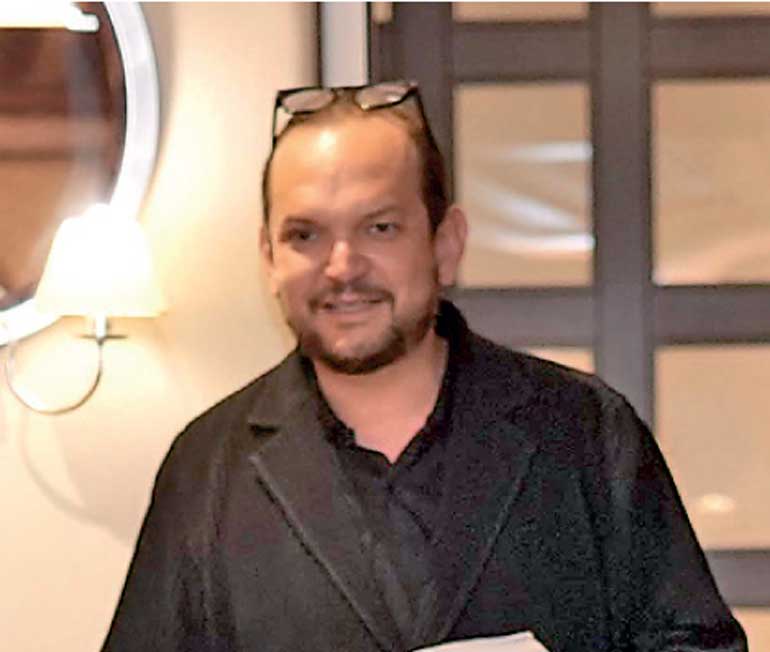
The Institute for Future Creations Co-founder Robert Meeder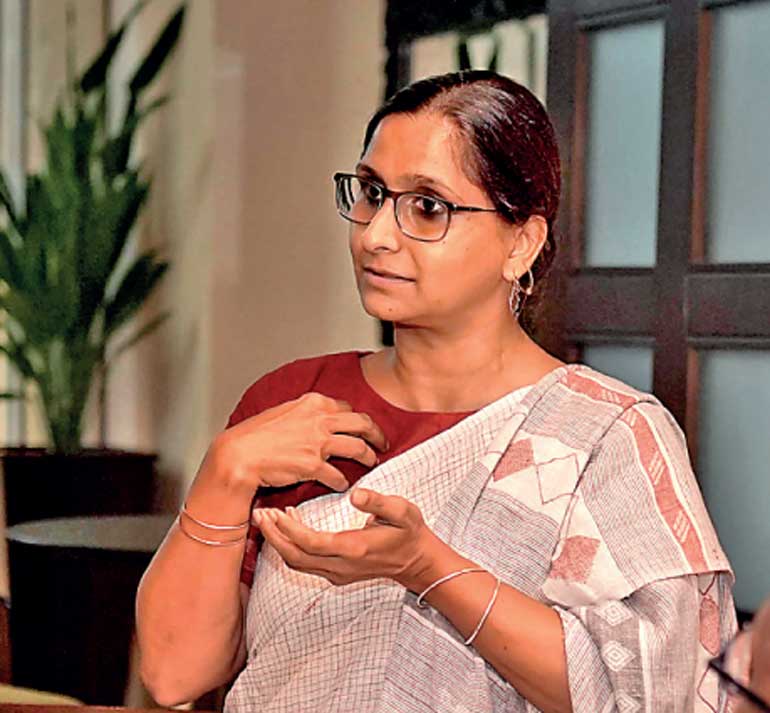
Professor Juhi Pandey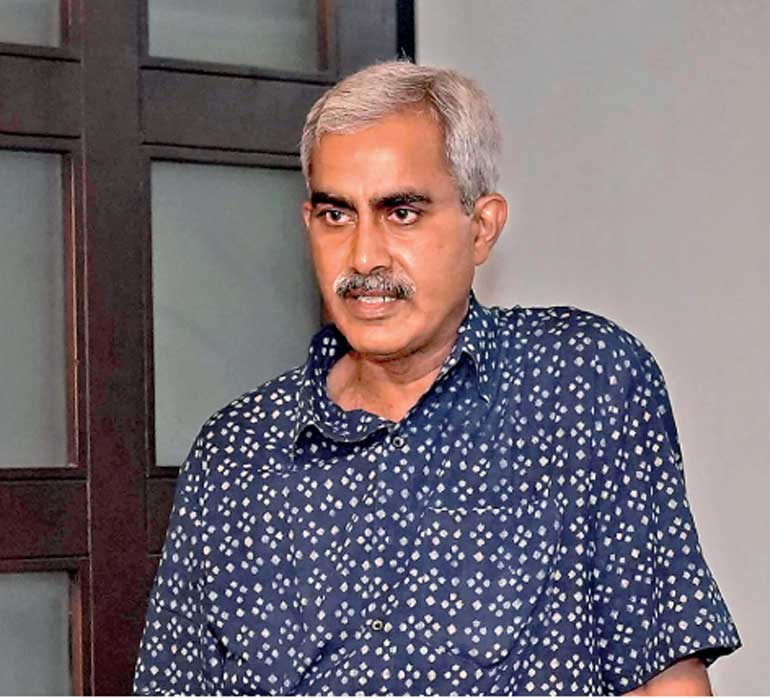
Indian visual artist and folklore researcher Madan Meena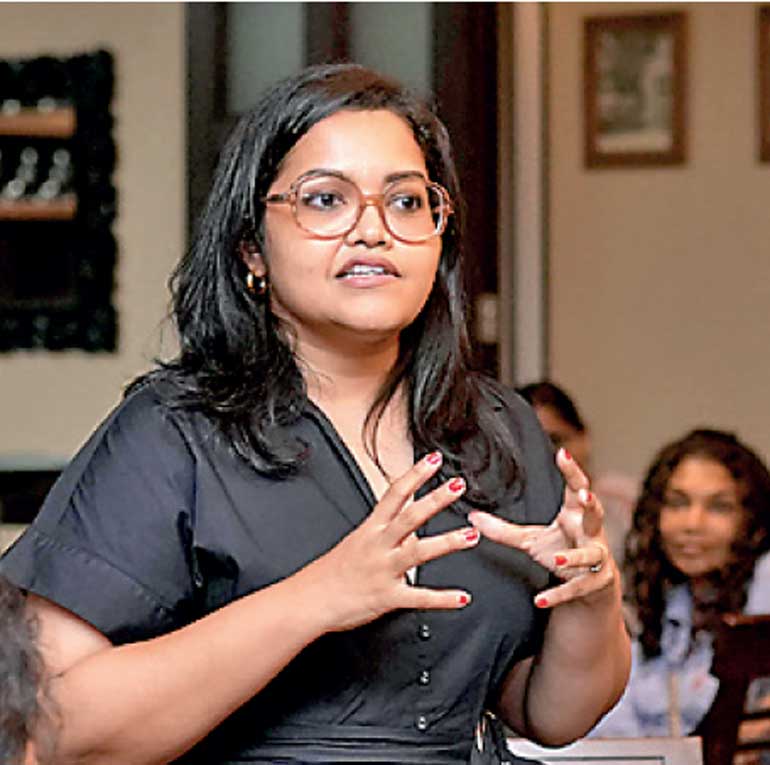
Selyn Chief Growth Officer Selyna Peiris




