Friday Oct 23, 2026
Friday Oct 23, 2026
Saturday, 5 September 2026 00:00 - - {{hitsCtrl.values.hits}}
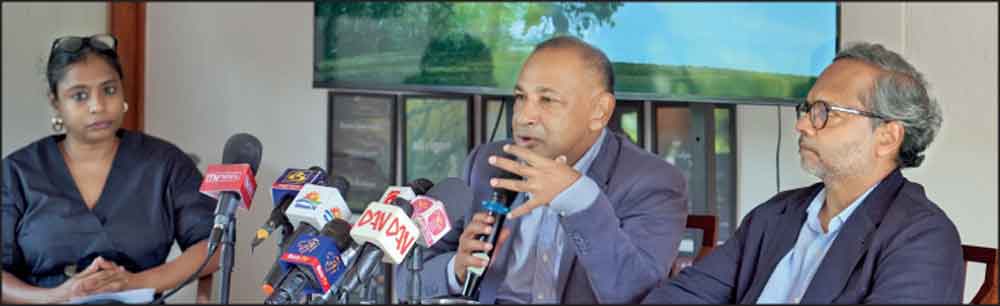
By Kavinu Cooray
The Geoffrey Bawa Moonomal Award has opened the call for applications for its inaugural award cycle.
Presented in partnership with the Wildlife and Nature Protection Society of Sri Lanka, the award invites individuals and organisations across the country to submit implemented projects that demonstrate how human needs can be met while enabling nature and ecosystems to thrive.
Named after the Moonamal tree which resides in the garden of Bawa’s Lunuganga, the award strives to address the growing gap between humans and nature through the lens of design and infrastructure. It envisions to recognise design that decentres the human, reverses anthropogenic degradation of the environment, and fosters ecological regeneration through interdisciplinary collaboration for the coexistence of all lifeforms and landscapes. Honouring the vulnerable Moonamal tree, an indigenous species that is under increasing threat of endangerment, the award attempts to spearhead initiatives and infrastructures that address the increasingly urgent need for ecologically sensitive design and architecture in the country.
Preserving Land and Nature (PLANT) Chairperson and Member of the Moonamal Award Steering Committee Sriyan de Silva Wijeyeratne said: “We as humans have caused a lot of negative impact on our environment. Due to climate change and environmental consequences like flooding, we have recently seen Nepal in the headlines. There will be more. It is not enough to say we’ll protect what remains. There are steps we can take in the ways we design cities or policies to start reversing this trend.”
Applications for the award will be considered under two categories. The Built Environment category covers architecture, infrastructure, urban design and landscape design, while the Public Policy category recognises policies that enable or incentivise ecological design. The award is not restricted to a single profession or discipline. Individuals, organisations, government agencies, community NGOs, researchers and multidisciplinary teams may apply for projects designed and implemented in Sri Lanka. Qualifying entries must have been implemented in the last ten years and completed for at least one year, enabling applicants to demonstrate results over time. Projects will be assessed on whether they consider the needs of plants, animals and ecosystems alongside those of people; and bring together communities and expertise from different fields.
Geoffrey Bawa and Lunuganga Trusts’ Curator of Living Collections and Member of the Moonamal Award Steering Committee Soham Kacker, in a video press release highlighting the ethos of the new award, said: “These approaches are no longer optional. So many vital economic sectors in Sri Lanka, like tourism, rely on nature and biodiverse ecosystems to thrive. This requires us to go beyond basic sustainability principles, which by now, should be the norm. Greener building materials, renewable energy, and better wastewater treatment require us to design for nature positivity where there is a net gain to nature because of a project.”
Potential projects could include those which restore degraded landscapes or waterways through design, biodiversity-sensitive buildings and infrastructure, public spaces designed around existing ecological systems, community-led responses to habitat loss or erosion, and policies that guide the design and construction of built environments towards greater harmony with other species and ecosystems. Strong applicants should be grounded in the geography, hydrology, flora, fauna and social context of their site, and should provide evidence that the intervention has improved conditions beyond the pre-project baseline.
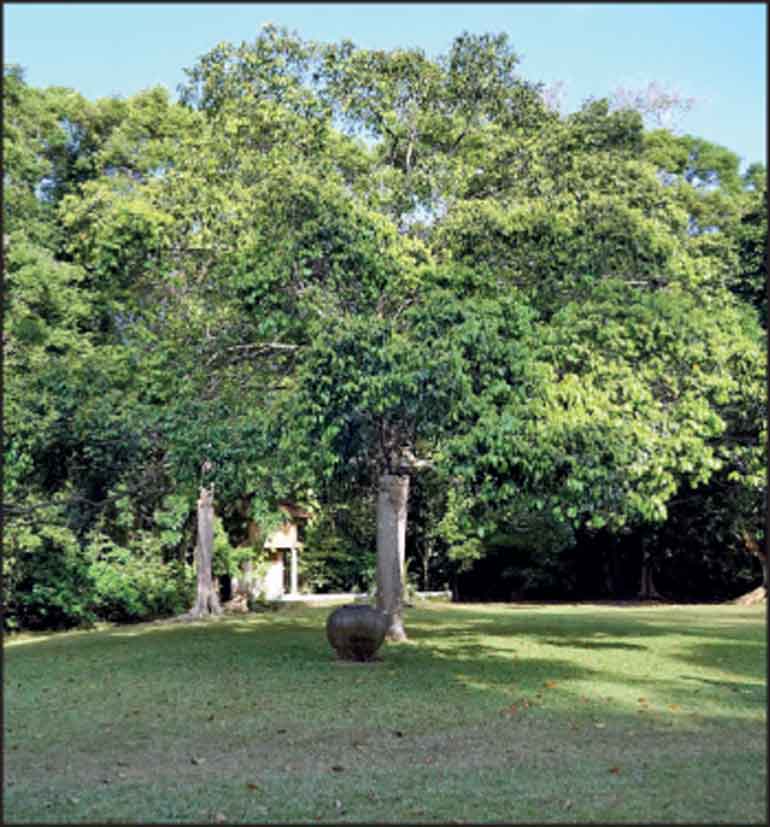
The Sri Lanka Institute of Landscape Architects (SLILA) and the Institution of Engineers Sri Lanka (IESL) are partnering with the Moonamal Award as Supporting Institutions, lending their expertise, credibility and professional networks to the initiative. The support of these interdisciplinary bodies aim to amplify the award’s message, encourage applicants, and broaden engagements with its programs, connecting the Moonomal Award with a wider audience of professionals and practitioners in a meaningful manner.
The Institution of Engineers Sri Lanka President Kosala Kamburadeniya said: “IESL is proud to partner with the Geoffrey Bawa Moonamal Award because it reflects a shared commitment to rethinking how engineering and design can respond to the needs of both people and nature. Engineering has a vital role in creating resilient infrastructure while safeguarding ecosystems and supporting ecological regeneration. Through this partnership, IESL hopes to encourage greater interdisciplinary collaboration among engineers, architects, environmental professionals, policymakers and communities. We expect the award to inspire innovative, sustainable and context-sensitive solutions, while creating greater awareness within the engineering profession that development and environmental stewardship must go hand in hand for a resilient Sri Lanka.”
Applications may be submitted online in Sinhala, Tamil or English by 15 January 2027. The winning project and public policy solution will receive a fellowship and opportunities supporting further learning, exchange and public engagement. The shortlist and winner are expected to be announced in mid-2027.
For application guidelines and submissions, visit www.geoffreybawa.com/moonamal-award. Inquiries may be directed to [email protected].




