Sunday Oct 11, 2026
Sunday Oct 11, 2026
Saturday, 22 August 2026 01:01 - - {{hitsCtrl.values.hits}}
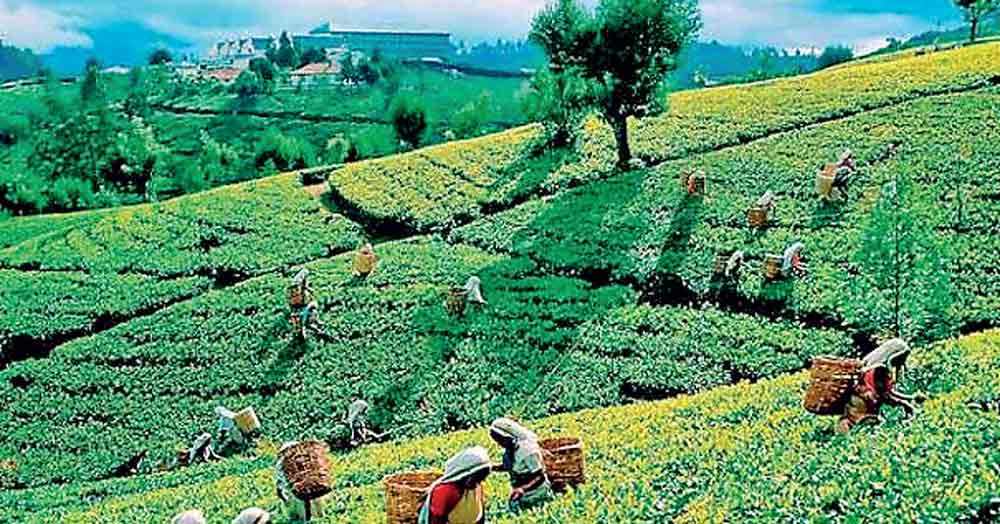
Tea production declined by 1.05% year-on-year (YoY) in July, while cumulative output during the first seven months of 2026 fell by 2.62%, according to the latest data compiled by Forbes & Walker Research.
Tea production in July amounted to 21.26 MnKg, down 0.23 MnKg from 21.49 MnKg in the corresponding month of 2025. Compared with the 23.19 MnKg produced in July 2024, output was lower by 1.93 MnKg, or 8.33%.
Cumulative production during January-July 2026 stood at 153.14 MnKg, recording a decline of 4.12 MnKg, or 2.62%, from 157.26 MnKg in the corresponding period of last year. However, production was 1.99 MnKg, or 1.32%, higher than the 151.15 MnKg recorded during the first seven months of 2024.
The July performance was mixed across elevations, with High Grown and Green Tea production increasing from a year earlier, while Medium and Low Growns declined.
High Grown production rose by 8.24% YoY to 4.19 MnKg from 3.87 MnKg in July 2025. Green Tea production increased by 10.69% to 0.25 MnKg from 0.22 MnKg.
Medium Grown production fell by 11.10% to 3.24 MnKg from 3.65 MnKg, while Low Grown output declined by 1.20% to 13.58 MnKg from 13.75 MnKg.
The same trend was evident in cumulative production, with High Growns and Green Tea recording gains against 2025, while Medium and Low Growns remained below last year’s levels.
High Grown production during January-July increased by 1.89% to 34.32 MnKg from 33.69 MnKg a year earlier, while Green Tea output rose by 9.21% to 1.56 MnKg from 1.43 MnKg.
Medium Grown production declined by 5.34% to 27.03 MnKg from 28.55 MnKg, while Low Grown production fell by 3.60% to 90.23 MnKg from 93.60 MnKg.
Compared with the first seven months of 2024, High Grown production was up 5.61%, Low Growns edged up 0.17% and Green Tea increased 18.63%. Medium Grown production was the only segment below its 2024 level, declining 0.86%.
Asia Siyaka Commodities said the developing El Niño condition remains a potential risk to tea production during the next two months. Its influence could result in irregular rainfall patterns and intermittent dry spells.
It said August production could remain under pressure due to inadequate or uneven rainfall across planting districts, while delays in fertiliser application may further limit bush growth and reduce crop intake during August and September.




