Friday Oct 02, 2026
Friday Oct 02, 2026
Tuesday, 11 August 2026 01:58 - - {{hitsCtrl.values.hits}}
Sri Lanka’s improved tax revenue performance has yet to be matched by reforms to the underlying administration system, with a Parliamentary committee flagging continuing gaps in digital infrastructure, data integration, institutional capacity, and coverage of the informal economy.
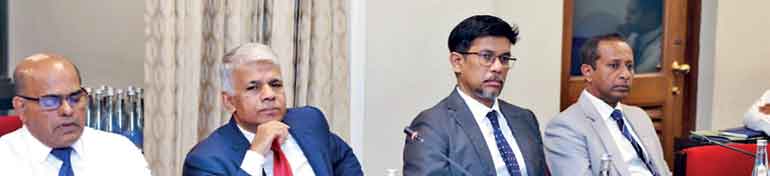
The Committee on Ways and Means, chaired by MP Wijesiri Basnayake, highlighted the administrative constraints while reviewing the Government’s 2026 tax plan and revenue collection through 30 June, alongside revenue performance by tax category, the existing taxpayer base, and compliance levels.
While noting that recent tax policy reforms and revenue management measures had contributed to improved fiscal stability, the Committee stressed the need to modernise tax administration, broaden the taxpayer base, and strengthen compliance to sustain revenue performance.
The distinction is significant as the focus shifts from raising revenue through tax policy measures towards building an administration capable of widening the tax net and improving collection efficiency.
The Committee identified bringing informal economic activity into the tax system as a key challenge, together with upgrading technology, integrating data across institutions, and developing specialised human resources for tax administration.
It also reviewed progress of the Revenue Administration Management Information System (RAMIS), taxation of digital services, and measures to expand electronic registration, filing, and payment facilities.
The Committee called for greater data sharing among institutions and further development of digital systems, with attention focused on strengthening the RAMIS and integrating Government data systems to improve compliance and administrative efficiency.
Officials from the Finance, Planning and Economic Development Ministry and Inland Revenue Department participated in the discussion.



