Monday Oct 26, 2026
Monday Oct 26, 2026
Monday, 26 October 2026 06:30 - - {{hitsCtrl.values.hits}}
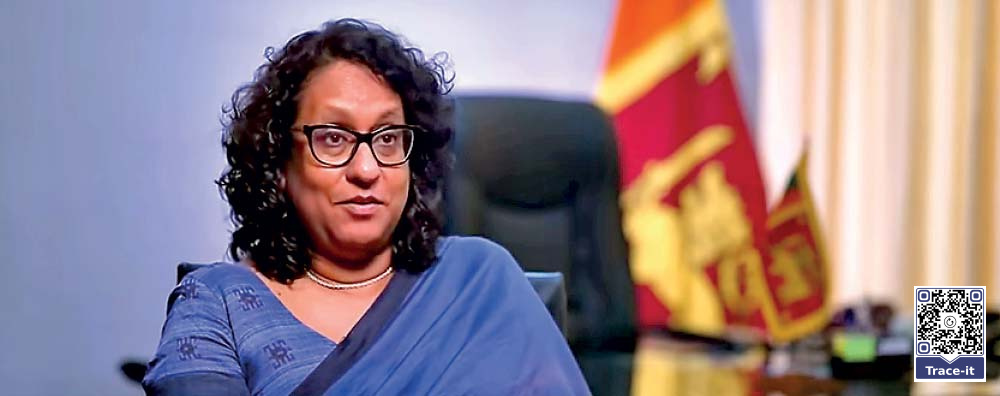
Prime Minister Dr. Harini Amarasuriya
Prime Minister Dr. Harini Amarasuriya has told CNN that several of the International Monetary Fund’s (IMF) priorities align with the Government’s own objectives, underpinning its decision to continue Sri Lanka’s IMF program despite her party’s earlier opposition.
Dr. Amarasuriya said the Government had been able to discuss its concerns with the IMF, particularly on governance, corruption, and fiscal discipline.
“When we came into power, the IMF agreement was already signed and we started working with them, and we found them approachable,” she told CNN’s Richard Quest of ‘Quest Means Business.’
Maintaining economic stability was among the administration’s immediate priorities following the election, she said, adding that the country had made considerable progress since the 2022 crisis.
“We are doing remarkably well given what we’ve been through,” she said.
The Prime Minister attributed the improvement primarily to fiscal management, financial discipline, efforts to address corruption and waste, and governance reforms. Two years into the administration, she said, the situation was ‘looking not too bad.’
Acknowledging that her party had opposed the IMF program due to Sri Lanka’s previous experiences with the institution, she said the Government had no choice but to continue it.
We didn’t like it because we felt that our previous experiences with the IMF have not been great. This is not the first time we’ve entered an IMF program,” she said.
She also acknowledged that the Government had faced pressure to demonstrate its ability to govern, saying many people had been waiting for it to fail.
Dr. Amarasuriya also reaffirmed Sri Lanka’s commitment to geopolitical neutrality and non-alignment, saying conflicts such as the war in the Middle East ‘serve no one.’
Sri Lanka’s geographical position in the Indian Ocean made it important for the country to stay clear of geopolitical conflicts amid rising global tensions, she said. Avoiding entanglement in international power struggles was essential for its national interests and economic stability, she stressed, particularly as the country faces the impact of rising fuel prices and global energy costs.
Acknowledging that maintaining balanced relations with major powers, including China, India, and the US, had historically been a key challenge for Sri Lanka’s foreign policy, she said aligning too closely with any single power had not worked to the country’s advantage. This, she said, underscored the importance of maintaining an independent foreign policy amid growing international tensions.




