Tuesday Oct 13, 2026
Tuesday Oct 13, 2026
Wednesday, 1 April 2026 00:30 - - {{hitsCtrl.values.hits}}
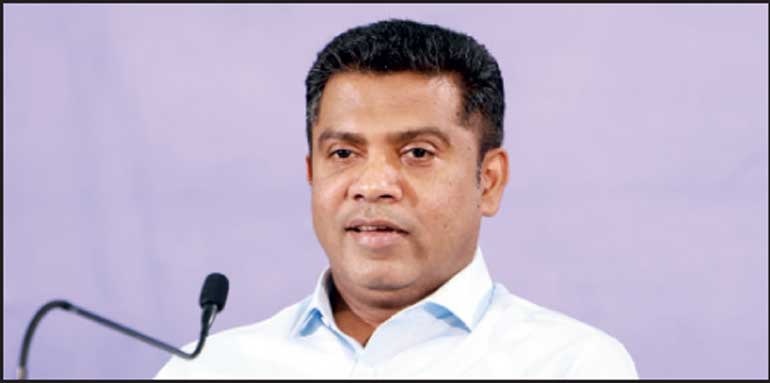
Cabinet Spokesman and
Minister Dr. Nalinda Jayatissa
By Charumini de Silva
The Government has moved to simultaneously shield consumers from surging global fuel prices and rein in public expenditure, as it scrambles to manage the economic fallout from escalating tensions in the Gulf region.
At its latest meeting on Monday, the Cabinet of Ministers approved a dual-track strategy that underscores both the urgency of the external shock and the fiscal constraints facing the State.
In a direct intervention to stabilise retail prices, the Cabinet approved to compensate fuel importers if global prices exceed domestic selling rates, effectively absorbing part of the cost increase.
“The subsidy will cover up to Rs. 20 per litre for 92 Octane Petrol and up to Rs. 100 per litre for Auto Diesel, with Rs. 20 billion allocated for the measure,” Cabinet Spokesman and Minister Dr. Nalinda Jayatissa said at the weekly post-Cabinet meeting media briefing yesterday.
The decision signals a clear attempt to prevent an immediate pass-through of global oil price volatility to consumers, particularly at a time when transport and essential goods costs remain highly sensitive to fuel price movements.
“Fuel prices are expected to remain unchanged through April, unless there’s a significant increase in global oil prices,” he said.
Separately, the Cabinet also approved maintaining fuel allowances for Ministers, Members of Parliament and public officials at rates based on prices prevailing as of 1 March 2026, effectively freezing these benefits despite market fluctuations.
It was also noted that all other fuel-related allowances will be maintained at the same rate until further notice.
He stated that the Government has already taken several urgent measures to mitigate the economic impact of the ongoing Middle East conflict on Sri Lanka.
In mid-March, the Government declared Wednesdays as holidays for non-essential Government services, as a measure to save energy and fuel, while avoiding a broader expansion of recurrent expenditure.
The move also highlights the delicate balancing act between economic support and fiscal discipline.
Both proposals to this effect were submitted by President Anura Kumara Dissanayake in his capacity as the Finance, Planning and Economic Development Minister.




